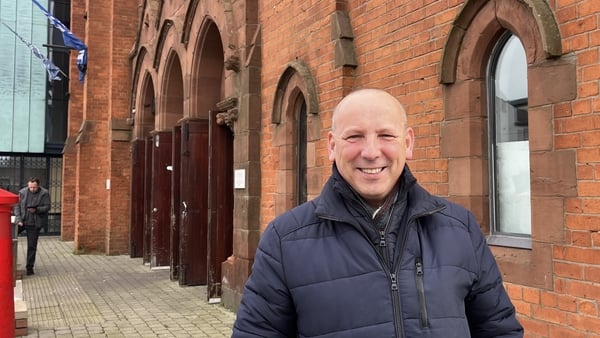

A memorial service will be held in the Co Derry village of Greysteel tonight to mark the 30th anniversary of one of the most notorious atrocities of Northern Ireland's Troubles.
Eight people, Catholics and Protestants, were killed when loyalist gunmen burst into the Rising Sun Bar on the eve of Halloween in 1993.
Some of the customers at first thought it was a Halloween prank.
But a scene of horror quickly unfolded as the gunmen opened fire with automatic weapons.
One of the killers shouted: "Trick or treat".
The attack was carried out by the Ulster Freedom Fighters, part of the Ulster Defence Association, in retaliation for an IRA bomb on Belfast's Shankill Road a week earlier which killed nine Protestant civilians as well as one of the bombers.
Those who died in the Greysteel attack were Karen Thompson (19), Steven Mullan (20), Moira Duddy (59), Joseph McDermott (60), James Moore (81), John Moyne (50), John Burns (54) and Victor Montgomery (76).
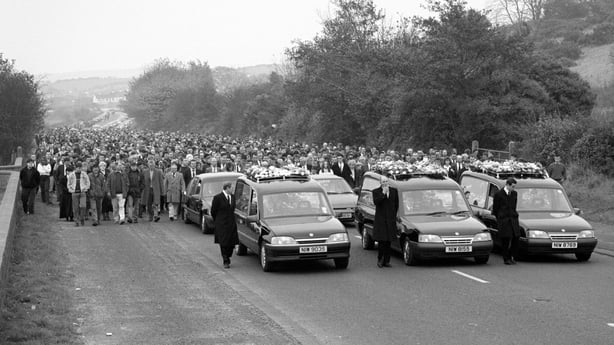
The murders brought the number of civilian killings that week to 23.
It was a time when many in Northern Ireland feared it was descending into an abyss.
There had been hopeful talk of moves towards peace, of tentative moves to an agreement that would end the seemingly never-ending Troubles.
But then came the Shankill bombing and the loyalist retaliation.
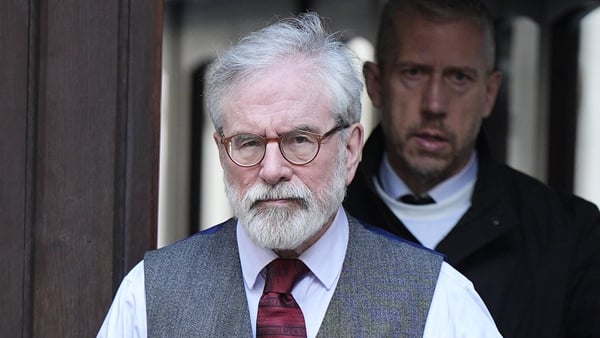
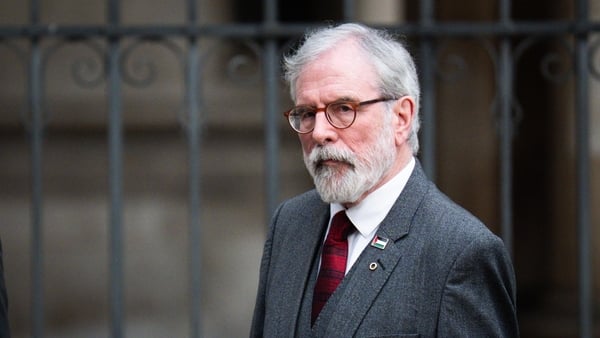
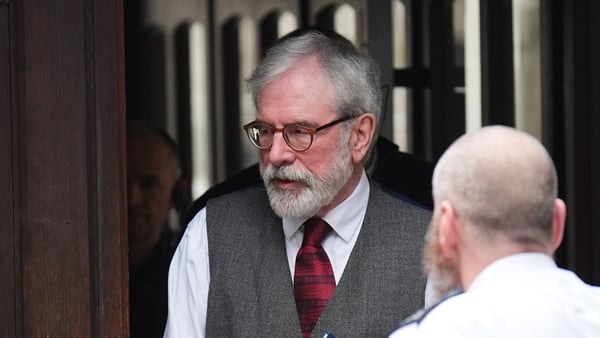
The loyalist and unionist community, and many nationalists, were also incensed when Sinn Féin president Gerry Adams carried the coffin of Thomas Begley, one of the Shankill bombers who was also killed in the blast.
There was a tangible fear that the anger and tension could unleash a spiral of tit for tat sectarian murders.
"It was a horrific scene, an absolutely outrageous atrocity. I knew some of those who had died and were lying injured on the floor of the bar. It was truly dreadful.
Norman Hamill, an off-duty Royal Ulster Constabulary officer who lived close to the village and was one of the first on the scene after the attack on the Rising Sun, was acutely aware of that danger.
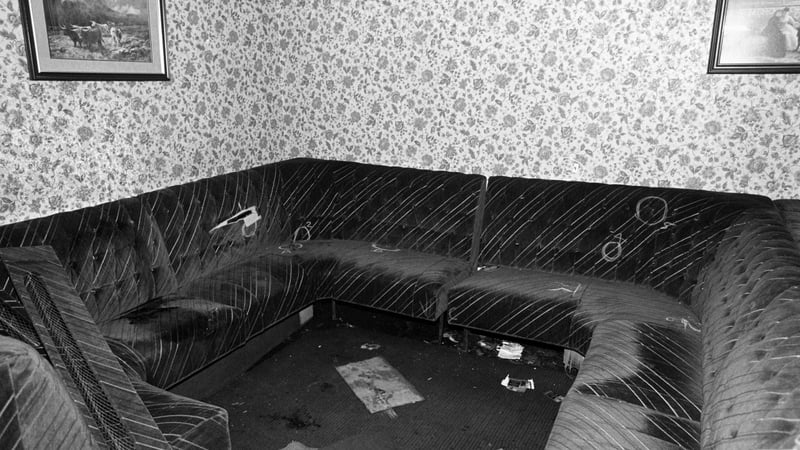
As a senior press officer for the police he urged detectives who had sealed off the scene to allow some cameras in as he wanted the public to see the horrible aftermath of the shooting.
Images of the blood stained and bullet riddled interior were soon broadcast across the world.
It was highly unusual for the media to be given such access so quickly after an attack.
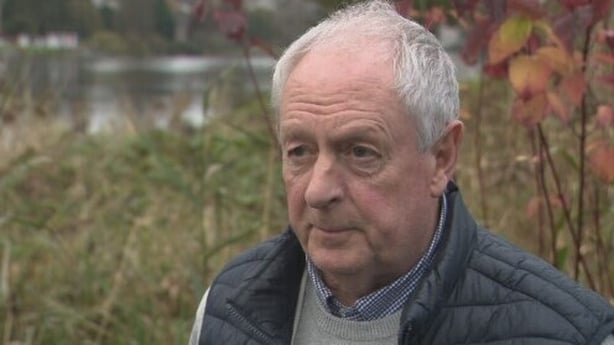
He said: "It was a horrific scene, an absolutely outrageous atrocity.
"I knew some of those who had died and were lying injured on the floor of the bar. It was truly dreadful.
"The first thing I did was to ring Belfast headquarters to make them aware of the huge scale of this incident.
"I was very concerned that the press would be allowed in to see the full horror of what had happened and after long negotiations with CID I managed to get a number of cameras in, and that film of the blood stained furniture in the bar went round the world.
"I am glad I did. Later on the atrocity at Greysteel was to become something of a turning point in the long history of the Troubles because it came just a week after the terrible outrage of the bombing of Frizzell's fish shop on the Shankill Road.
"So it really brought it home to people that we were in a deep downward spiral of violence which was going to produce no winners."
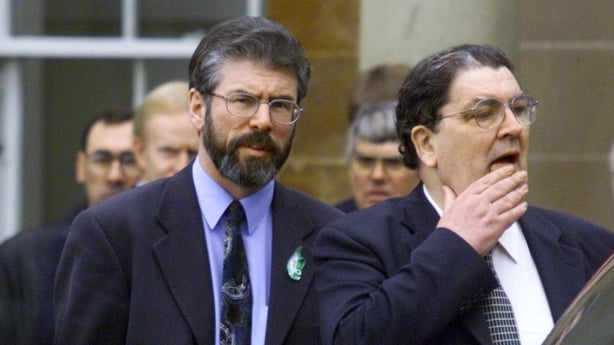
Another striking image from the aftermath of the attack was the sight of SDLP leader John Hume standing in the graveyard of the Star of the Sea church in the village in tears as he was consoled by a relative of one of the victims.
He was engaged in hugely controversial talks with Sinn Féin president Gerry Adams at the time, talks that he believed could bring about an end to IRA violence.
Critics of those talks, including sections of the media, had been incensed when Mr Adams carried the coffin of the IRA bomber who also died in the Shankill Road attack a week earlier.
For Mr Adams, it was about keeping IRA hardliners on board.
We need your consent to load this rte-player contentWe use rte-player to manage extra content that can set cookies on your device and collect data about your activity. Please review their details and accept them to load the content.Manage Preferences
Mark Durkan, who later succeeded Mr Hume as SDLP leader, remembers that the words of support from the Greysteel families encouraged Mr Hume to keep going despite huge pressure to end the dialogue, including from some within his own party.
It later emerged that the relative had told him her family had stood around her father's coffin and prayed for the success of his talks.
"A lot of the anger and confusion around Gerry Adams carrying the coffin was being channelled against John because the Hume-Adams talks had been continuing at that stage," he recalled.
Mr Durkan added: "He was just hugely touched by what was said to him by one of the victims families.
"He took some encouragement to stick with the decision he had stuck with not to be seen to break off any of the dialogue because John believed the only way forward was dialogue, and you couldn't let violence, no matter how horrible it was, trump dialogue."
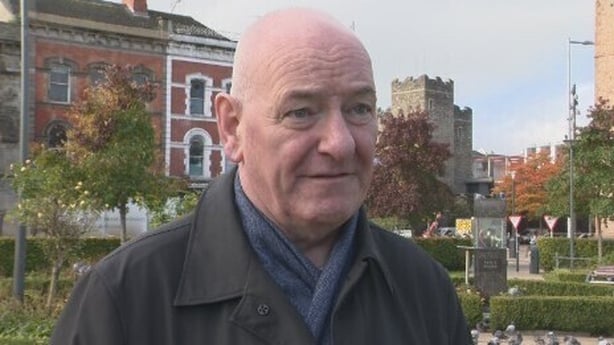
The encounter also had a huge impact on the SDLP leader's wife Pat Hume, who was at her husband's side in the graveyard and was aware of the pressure he was under.
Mr Durkan explained: "Pat, you know, took the events at the graveyard in Greysteel as something that was a welcome reinforcement for John.
"That here were families who were at the eye of the most awful storm who could understand what it was that John was trying to do.
"So even though it was such a sad scene, seeing John with tears running down his face, she felt that there was a strength for John in that."
Six weeks after the shooting the Irish and British governments announced the signing of the Downing Street Declaration, a key step on the long journey to peace.
Mr Durkan believes the agreement justified Mr Hume's determination to pursue dialogue.
"While that was an awful week, the fact is that within a number of months we were seeing a break in the clouds with the Downing Street Declaration that in turn turned out to be the basis for ceasefires," he said.
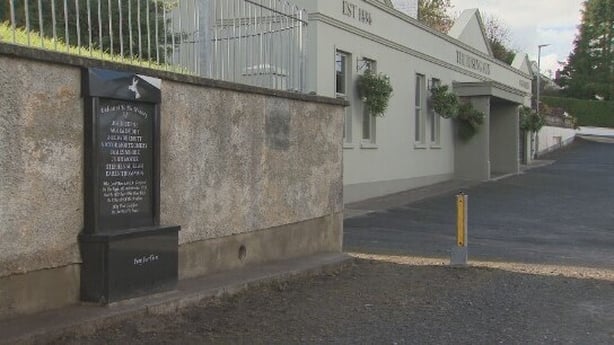
Relatives of those killed, friends, villagers and those who have supported them over the past three decades will gather for a memorial mass tonight at the Star of the Sea, just a few hundred metres from the scene of the shooting.
Afterwards they will walk the short distance down the road to for a prayer service at a memorial beside the Rising Sun.
In the years since the attack the families have maintained a collective agreement not to speak to the media.
The approach is what one villager called "a strong dignified silence".
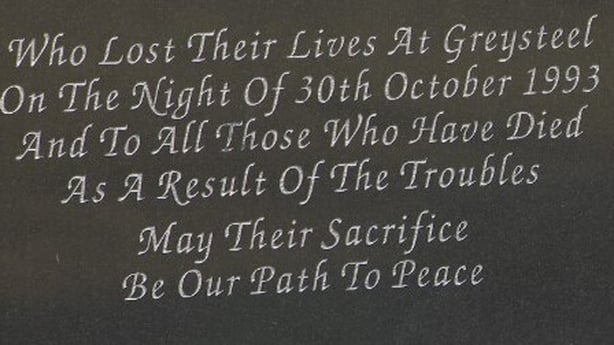
The message on the memorial bearing the names of the eight victims says it all.
The inscription says it is dedicated to them and "all those who have died as a result of the Troubles".
It adds: "May their sacrifice be our path to peace."
We need your consent to load this rte-player contentWe use rte-player to manage extra content that can set cookies on your device and collect data about your activity. Please review their details and accept them to load the content.Manage Preferences