


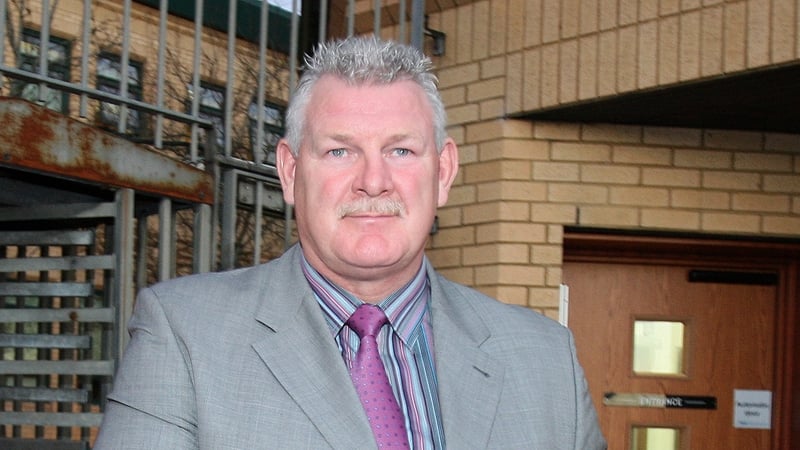
A woman who was sexually abused by her stepfather, former Ireland and Ulster rugby player David Tweed, has urged survivors of abuse to "tell someone" and remove the power from their abuser.
Amanda Brown said there was a time when she could not have told anyone of her abuse, but since the first time she said it "out loud", around 10 or 11 years ago, she has kept saying it "out loud".
"They're difficult words to say. They're really, really hard to say and I choked on them. But tell someone.
"Every time you say it, you heal," she told RTÉ's Today with Claire Byrne, and "these big people are nothing really to be afraid of".
Tweed died in a road crash in Co Antrim last month.
Amanda said she no longer feels like a victim, even though the reality is that her stepfather made her one.
She described how she resents people saying she would not be the strong woman she is today had she not been abused.
"It's just a resilience that has been in me always. I have had people saying to me that I wouldn't be the strong woman that I am today had it not been for that. And I hate that being said to me, absolutely hate it.
"I am strong in spite of what has happened. My true resilience has shown because I've had to.
"I would rather not have those experiences and not be considered a strong woman."
Amanda said that everyone has that strength in them and she does not see herself as different to other people.
However, people allow their abusers to tell them otherwise, she added, when they tell them that they will not be believed.
Amanda said she has experienced various emotions as a result of discussing since his death the abuse that she, her sisters and her mother experienced at the hands of Tweed.
"These big people are nothing really to be afraid of"
Her mother married the ex-player and politician when she was aged around four and the couple had four daughters together.
The hardest part is the communities that abusers build up around themselves, she said, because at one point her stepfather had "half of Northern Ireland backing him".
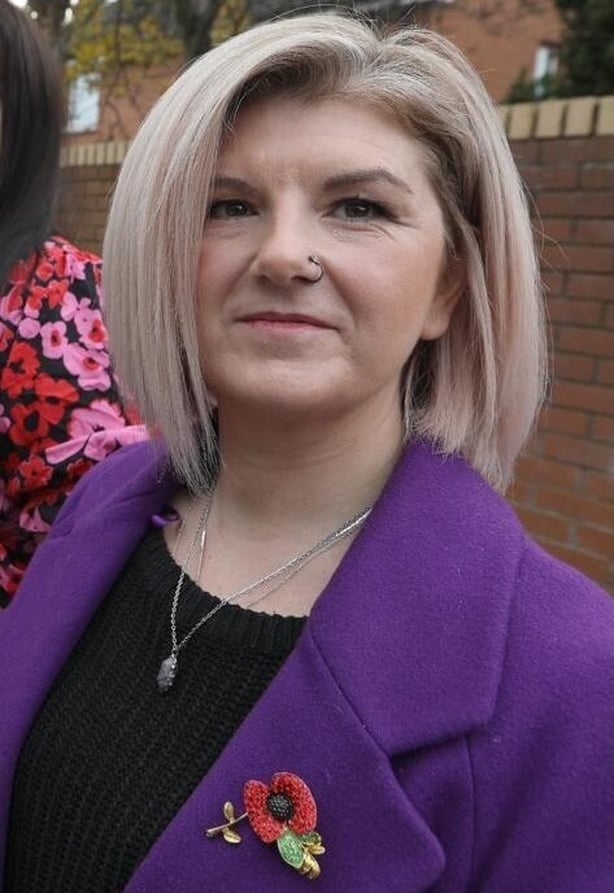
Amanda said her abuse began when she was around eight and she never spoke up because she did not realise anyone else was being abused and she was afraid of breaking the family apart.
"I didn't discover anyone else was being abused until I was around 27," she added.
However, she said that her mother suffered "terrible" domestic abuse throughout her childhood.
Although she did not see the abuse taking place, Amanda said she heard it and "saw the aftermath".
We need your consent to load this rte-player contentWe use rte-player to manage extra content that can set cookies on your device and collect data about your activity. Please review their details and accept them to load the content.Manage Preferences
She said that Tweed only turned on her once "in that way" when she was aged around 18, but that one of her sisters was regularly beaten by him.
He always said that her sister's response was "just dramatic" and that her sister was exaggerating.
Amanda said she decided to speak out about the abuse she suffered after she found out that her younger sisters had had the same experience.
Guilt, she added, then drove her to report Tweed to police.
"I had watched them growing up thinking that I would know if anything had ever happened to them. And I didn't, I didn't see, and I carry a lot of guilt with me for that. And it was guilt. It was the guilt and I went to the police."
Although she made her first statement to police, when she was around 29, she said that she did not make a formal report until she left Ballymoney, Co Antrim where Tweed lived.
"I wouldn't say I'm happy that he's dead ... But I just feel peace, just peace knowing that nobody else is going to be harmed at his hands"
Amanda said her stepfather intimidated her while she still lived in the town and described how he would stand close to her place of work when she left at night time.
Tweed was convicted in 2012. During this trial, Amanda said, he smirked at her and his biological daughter while in court.
"To see him smirking at his own daughter when she was very visibly upset because of him... That was something that really stuck with me. And even more so since I've become a mother myself.
"But the fact that he held them, each one of them in his arms as a baby... Every one of them he held in his arms as a baby and he could go on and do that to them."
Tweed served four years of an eight-year sentence before his conviction was quashed in 2016.
"For him to be released and all that effort, and all that heartache and trauma and stress that we went through during the court case... for that to just be swept away was hard."
Amanda said that when she first heard of her stepfather's death, she did not believe it because she "did not want to get to that point of relief of thinking he can't hurt anyone anymore".
Because he had been released with a quashed conviction, she added, there was nothing to stop him from reoffending.
"I wouldn't say I'm happy that he's dead. That would be wrong of me to say because I wouldn't rejoice in anybody's death... He does have family members who are grieving and that's ok.
"But I just feel peace, just peace knowing that nobody else is going to be harmed at his hands".
His death also brings the opportunity to her and her sisters to fully heal, she added.
Tweed served as a Democratic Unionist Party councillor for Ballymena South.
Two DUP members - Mervyn Storey MLA and MP Ian Paisley - expressed their condolences following his death.
Today they said they "want nothing to take away from the subsequent powerful and distressing words of his daughters who have bravely told of the horrific abuse they suffered and the weekend comments of one of his sisters.
In a statement, they said: "It was never our intention to add to any hurt suffered nor would we ever be dismissive of any victim of abuse.
"No one could be but devastated by these accounts and we have always sought to support and enable abuse victims to come forward by supporting Women’s Aid and other such fantastic organisations."
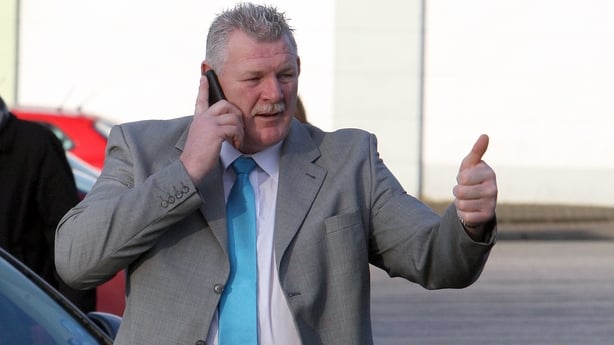
A spokesperson for Raise Your Voice, a project that tackles sexual harassment and sexual violence across Northern Ireland, has said the bravery of Amanda Brown in speaking out will help other abuse victims.
Elaine Crory said that Amanda and her stepsisters were "very brave in sticking to what they said and not backing down".
It is incredibly difficult for all victims to speak up, Ms Crory added, "after years and years of conditioning and gaslighting that makes it very difficult" for the person to think their stories will be believed.
She said the fact they spoke out after being met with a wall of silence by those who said Tweed was a "respectable man" would help other victims who are in a vulnerable position and are not ready to speak out.
Ms Crory said that power is key to the dynamic in cases of sexual violence and that many perpetrators are "mentally powerful" and have an ability to control people whether they are with them or not.
This allows them to "fly under the radar and get away with it," she added, and removing that power gives survivors the opportunity to speak openly and truthfully about what happened to them.
For Amanda and her stepsisters, Ms Crory said, they removed David Tweed's power and while "it doesn't undo the past... it helps them to move forward".
She said that victims of sexual abuse and violence need to know that they are not alone and did nothing to cause the harm done to them.
Help is available with counselling and legal costs, she added, as she encouraged anyone impacted by the Tweed case to contact a rape crisis centre or a helpline.
If you are affected by any of the issues in this article, support information is available here.
