


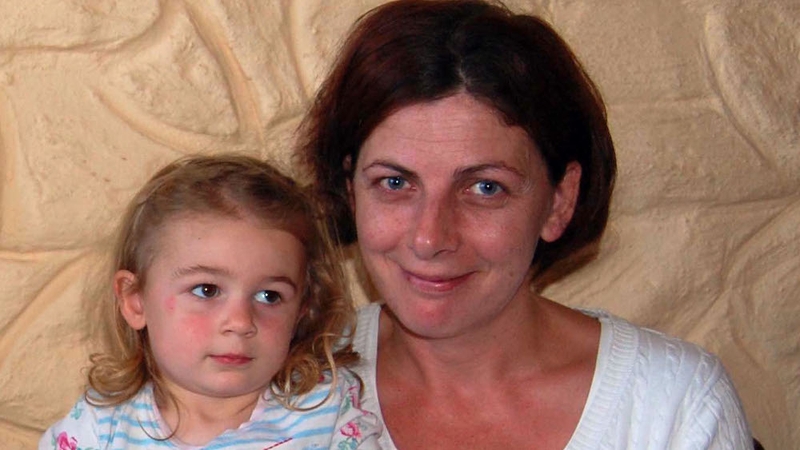
A Cork woman who lost her two daughters and husband in a murder-suicide in 2010 has said the Mental Health Act needs to be amended to make it mandatory for a spouse or partners to be involved in the treatment of a family member suffering with their mental health, especially if they are a parent.
Una Butler told RTÉ's Morning Ireland that involving families in the mental health care of a loved one would help to prevent further tragedies from happening.
She said medical professionals would gain a greater insight into a patient's behaviour and family members would learn how best to support the patient and this would be best for the children's welfare.
"'Why treat a patient as if they are living in isolation, when they are not?," she said.
Ms Butler’s husband, John Butler, who had been receiving treatment for depression, took his own life after he killed their daughters Ella and Zoe, aged two and six, in their home in Ballycotton, Co Cork on 16 November 2010.
Ms Butler said that "it is not easy" to cope with the loss of her daughters and husband but "it is the cruelest thing in the world to live with to know what happened to your children and to believe it could have been prevented had I been involved in my husband's treatment."
She said the Health Service Executive have said that patients may not present if they feel another person would be involved in their care plan.
"Why treat a patient as if they're living in isolation, when they're not"
— RTÉ News (@rtenews) May 21, 2021
Cork woman Una Butler, who lost her two young daughters and husband in a murder-suicide in 2010, calls for changes to the Mental Health Act | More: https://t.co/g002GKcORQ pic.twitter.com/imjYY4pjZq
She said patient confidentiality is given as a reason why others are not involved, but she said for other medical conditions the involvement of family is really necessary.
"Why is the mental health of a person treated differently?" she said.
Ms Butler said that it would benefit the patient overall and should be made mandatory "especially when children are living under the same roof" as someone suffering with their mental health.
Ms Butler said it makes it more necessary as the person suffering may have their thinking skewed.
She said a HSE document published in 2007 showed having a supportive family "appears to be the most important positive influence".
"I believe the health professionals would gain so much more information by just not depending solely on what the patient is going to tell them," she said.
