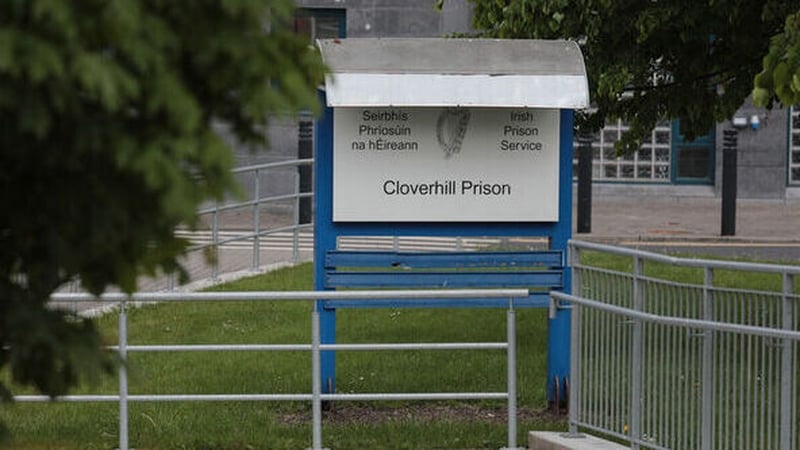

A review into the death of a prisoner at Cloverhill Prison five years ago will be published this week, RTÉ Investigates has learned.
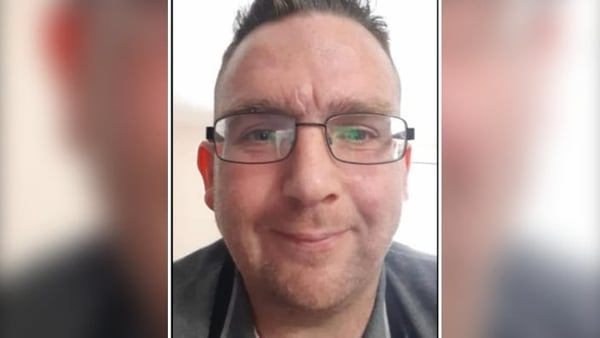
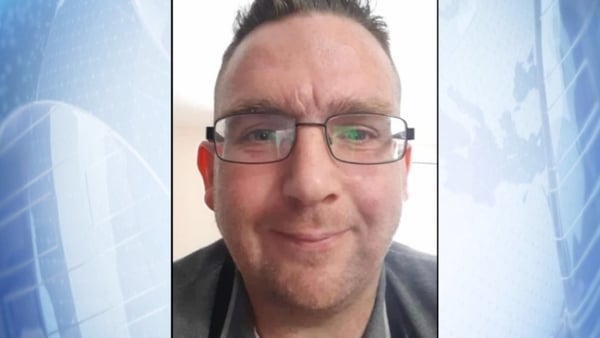
Ivan Rosney suffered from schizophrenia and died while on remand in Cloverhill Prison in September 2020 while being restrained by prison officers.
An Inspector of Prisons' Death in Custody report was completed in October 2024 and sent to office of the Minister for Justice, but it has remained unpublished and advice from the Attorney General (AG) was pending.
It has now been confirmed by Minister Jim O'Callaghan's office that he has received advice from the AG and the report will be published later this week.
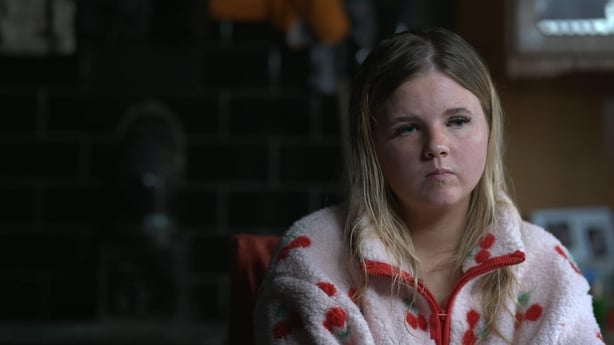
In an RTÉ Investigates documentary, Mr Rosney's daughter Courtney said that she had been fighting for five years to find out the circumstances that led up to her father's death.
"We've suffered long enough, it's been five years, it's been long enough not to know what's happened," she said.
Meanwhile in response to last night's programme, the Chief Inspector of Prisons has accused the health system in Ireland of closing large mental health institutions only to re-institutionalise patients in prisons.
Mark Kelly was reacting to the RTÉ Investigates documentary which revealed that the number of acutely psychotic people being held in the country's prisons is rising rapidly, as a crisis in the psychiatric care of these patients continues to deepen.
Speaking on RTÉ's Morning Ireland, Mr Kelly said the phenomenon is sometimes called trans-institutionalisation.
"So, when big mental health facilities are closed down, as they should be, instead of people finding new homes in a supportive environment in the community, they're re-institutionalised.
"But I think the difference in Ireland is that the institutions into which they have been effectively decanted are prisons, and that's entirely inappropriate."
Mr Kelly added these people may not get the medical treatment that they need.
"If they're fortunate, they do," he said.
"There are effective psychiatric in-reach teams in some places, in particular in the D2 [wing] in Cloverhill Prison, which is a very dedicated prison staff team and expert psychiatric input.
"But unfortunately, there are very many people with mental health issues who enter prison and who never effectively have contact with psychological or psychiatric services and who can end up being released back into the community, quite frequently back into homelessness, back into an environment where substance use is a temptation and the cycle repeats itself."
He said that this is a breach of human rights.
"Absolutely it is and we don't even need to talk about the right to health because many of them are being kept in conditions that could be described as inhuman and degrading, grossly overcrowded prisons," Mr Kelly told RTÉ.
"Last night there were 519 people sleeping on mattresses on the floor or in prison cells and quite a number of those are older people with psychiatric problems.
"It's completely unacceptable," he said.
More: Surge in actively psychotic patients held in prisons, RTÉ finds
The general secretary of the Psychiatric Nurses Association (PNA) said the RTÉ's Investigates documentary was very distressing and frustrating to watch.
Peter Hughes said the programme confirmed the historical underfunding in mental health services that the PNA has been highlighting for many years.
He added that there are huge staffing shortages in the mental health services, which is contributing to the problem.
"The main reason is the staffing shortages in the mental health services," he said.
"There's a huge recruitment and retention issue relating to psychiatric nurses.
"However, I do not believe that prison is an appropriate environment for people with mental health problems to be treated in.
"You have a proportion of people who have severe and enduring mental illness with challenging behaviours. And when the institutions closed and all the impact of Vision for Change happened, they were promised 120 beds nationally to deal with those types of clients. They have been left behind... they are either homeless or in prison."
Mr Hughes said the cost of living in Ireland is a huge problem and called for subsidised accommodation to help encourage nurses stay here.
We need your consent to load this rte-player contentWe use rte-player to manage extra content that can set cookies on your device and collect data about your activity. Please review their details and accept them to load the content.Manage Preferences
Chair of the Oireachtas Health Committee, Social Democrats TD Pádraig Rice, said the record of the Central Mental Hospital waiting list was concerning but he was just as concerned about the length of time people were spending on that list.
"Of the 38 [on the list], 27 had been waiting more than three months, while seven had been waiting over a year - the average waiting time for a transfer from prison to the Central Mental Hospital is now almost seven months," he said.
"People with mental health difficulties need to be diverted away from the prison system and into mental health services, where appropriate, but the system needs to be resourced to facilitate that," he said.
The Labour party's health spokesperson, Marie Sherlock, said that the situation in prisons highlighted "years of harrowing failure, and sustained and systemic State abandonment of mentally ill persons in this country to the prison system".
She added that she has called on the Minister for Health to address the Dáil this week to detail what action the Government is taking to tackle these issues.
Ms Sherlock said figures revealed in the RTÉ programme on the amount spent on private mental health care in Ireland and the UK, when certain people could still not get treatments, was an "unholy mess".
"The State's failure to plan has also meant it is now also spending a whopping €95 million per year on treatment in the UK, up 20% from the previous year.
"Those suffering with severe psychiatric illness do not belong in prison - they belong in facilities of compassionate, comprehensive psychiatric care," she said.
In a statement on X, Sinn Féin's Matt Carthy said that there needed to be full transparency in relation the cases highlighted where people were detained or who died while in custody.
If you have been affected by the issues raised in this article, visit Helplines – RTÉ or Supporting People Affected By Mental Ill Health.
RTÉ Investigates: The Psychiatric Care Scandal continues tonight at 9.35pm on RTÉ One and RTÉ Player