


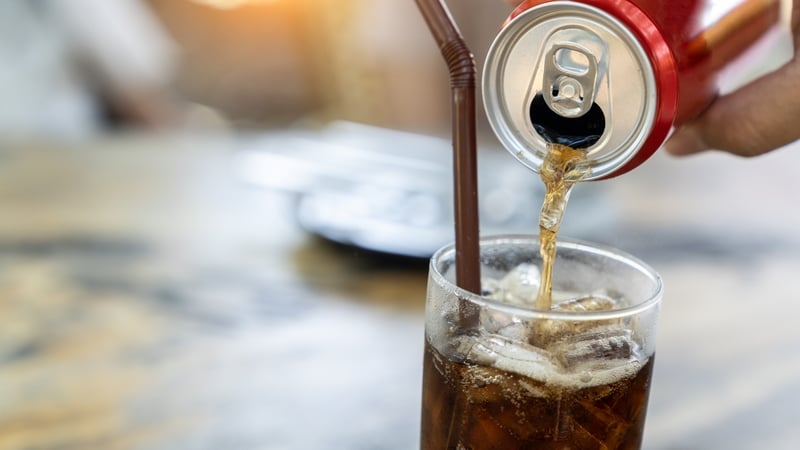
Sugary drinks and alcohol are not being sufficiently taxed and remain affordable, making it harder to tackle the chronic health problems they cause, according to two reports from the World Health Organization.
The WHO has called for higher taxes on alcohol and sugar-sweetened drinks multiple times in recent years, arguing that it would help cut consumption of the products which contribute to diseases such as diabetes.
They would also raise money at a time when development aid is shrinking and public debt is rising.
According to the WHO, sugary drinks became more affordable in 62 countries in 2024 compared with 2022.
In a separate report, the agency said that beer had become more affordable in 56 countries during the same period.
"Health taxes are not a silver bullet, and they're not simple. They can be politically unpopular and they attract opposition from powerful industries with deep pockets and a lot to lose, but many countries have shown that when they're done right, they're a powerful tool for health," said WHO Director-General Tedros Ghebreyesus.
Last year, the agency launched the "3 by 35" initiative to push countries to raise the prices of sugary drinks, alcohol and tobacco by 50% over a ten-year period through taxation.
The WHO expects the initiative to raise around €850 billion by 2035, based on evidence from health taxes in countries such as Colombia and South Africa.
