
HIQA has launched a public consultation on its draft health technology assessment of immunisation against the Respiratory Syncytial Virus (RSV).
RSV is a common viral infection that affects the lungs and upper airways. While most people recover without medical care, RSV can cause serious illness especially in infants and older adults.
The HIQA draft report has said that the cost of a national RSV immunisation programme is substantial.
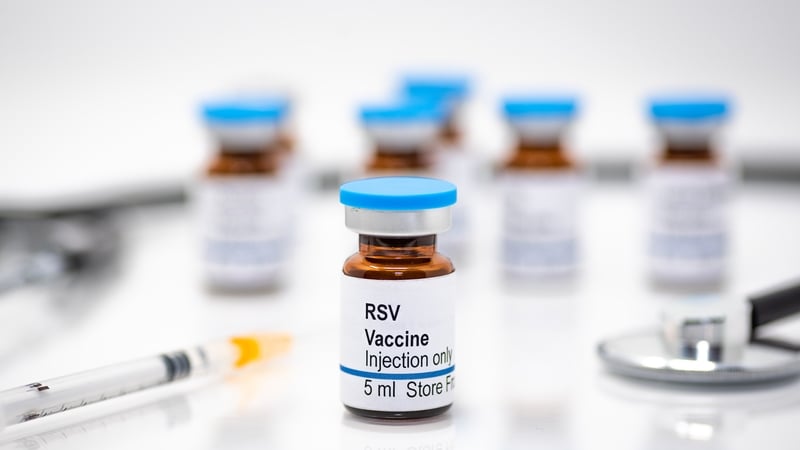
Currently, the HSE is running the second year of a pilot scheme for RSV vaccination for certain infants, but not for adults. These babies are receiving the newer immunisation products.
The Health Information and Quality Authority report says that providing immunisation to all infants would cost the HSE an extra €50 to €60 million, over the first five years.
Also, offering immunisation to adults aged 80 years and older would cost an extra €70m over the same period.
Each winter, over 7,000 people are diagnosed with RSV in Ireland.
Dr Máirín Ryan, HIQA's Deputy CEO and Director of Health Technology Assessment, said the new RSV vaccines are expensive.
She said the HSE would have to negotiate substantial price reductions in order for any of the immunisation strategies to represent an efficient use of resources.
The HSE currently offers RSV vaccination to certain groups of babies - those born during the RSV season from early September this year to the end of February next year.
It also offers the vaccine to babies born from March to August this year with appointments for the vaccine during November and December.
Premature babies and other high risk infants are also offered it during the RSV season.
For infants, immunisation provides protection for one season while for older adults, it provides protection for up to three RSV seasons.
The HIQA draft report says that 22 European countries recently introduced RSV immunisation programmes for infants, with eight introducing programmes for older adults.
Two years ago, the National Immunisation Advisory Committee recommended RSV vaccination for those aged 75 years and older and certain groups aged 60 years and older.