
New data on the prevalence and treatment of common cancers shows a variation in survival rates around the country.
While the report from the National Cancer Registry finds the number living with, or beyond, the condition continues to grow, regional disparities persist.
The report, covering 2020 to 2022, examines cancer incidence and survival rates.
It looks at the four most common forms of the disease in Ireland: lung, bowel, breast and prostate cancers.
In the timeframe covered by the study, an average of 44,000 tumours were diagnosed each year.
Over half were "potentially life-changing", requiring extensive treatment.
9,800 deaths were recorded annually, with one in five of those fatalities due to lung cancer.
The report shows that by the end of 2022, an estimated 220,000 people - or around 4% of the population - were found to be living with, or in long-term remission from, cancer.
But the survival rate five years after diagnosis for those with colorectal, lung or breast cancer was found to be lower in the midwest area, while the rate of survival for men with prostate cancer in Dublin and the northeast was also lower than the national average.
We need your consent to load this rte-player contentWe use rte-player to manage extra content that can set cookies on your device and collect data about your activity. Please review their details and accept them to load the content.Manage Preferences
The HSE Midwest area covers Limerick, Clare and north Tipperary.
Survival rates were between four and five percentage points lower for the three headings there, while the disparity in the Dublin northeast region was just under 2% lower than the national average.
The report shows scope for improvements when it comes to prevention, screening and diagnosis, right through to access to services and treatment.
Charities working to support those with cancer are hoping the findings will help fast-track infrastructural improvements.
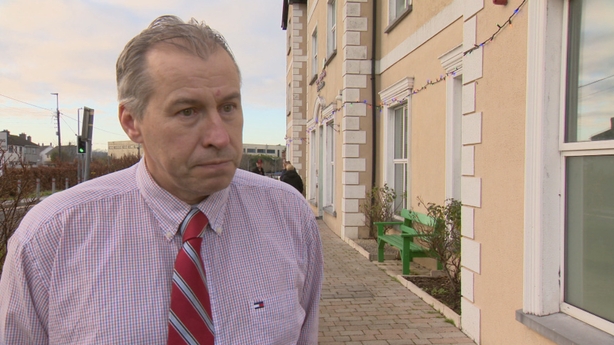
The Chief Executive of Cancer Care West said this evening that while there had been significant advancements in cancer care throughout the country, with survival rates improving and better treatment options, there was still a way to go.
Richard Flaherty described the report as "quite timely" given the likely commencement of negotiations on a new administration in the near future.
"With a new government to be formed, and a Minister of Health to be appointed, there needs to be a continued investment to cancer services across the country, to ensure that survival rates across board improve" he said.