
The World Meteorological Organization (WMO) has warned that climate change threatens to reverse healthcare improvements around the world.
In a new report, it says that extreme heat causes the greatest mortality of all extreme weather events or hazards.
The WHO warns that health-related mortality could be 30 times higher than what is currently recorded.
The report emphasises the need for early warning systems for extreme heat, pollen monitoring to help allergy sufferers and satellite surveillance for climate-sensitive diseases.
It says there is insufficient investment to improve the capabilities of the health sector, leaving it ill-prepared to safeguard the most vulnerable.
The WMO says that climate change is bad for health but climate services save lives.
It has found that less than one quarter of ministries of health have a health surveillance system that uses meteorological information to monitor climate-sensitive health risks.
The WMO says there is huge potential for enhancing the benefits of climate science and climate services for the health sector and for increasing accessibility, relevance and uptake.
"As the world warms at a faster rate than at any point in recorded history, human heath is on the frontline, " the report adds.
"Climate change threatens to reverse decades of progress towards better health and well-being particularly in the most vulnerable communities."
The WMO's annual State of Climate Services report focuses on health this year.
It highlights the need for tailored climate information and services to support the health sector, in the face of more extreme weather and poor air quality, shifting infectious disease patterns and food and water insecurity.
WMO Secretary General, Professor Petteri Taalas, said that practically the whole planet has experienced heatwaves this year.
He added that the onset of El Nino in 2023 will greatly increase the likelihood of breaking temperature records further, triggering more extreme heat in many parts of the world and in the ocean.
The report details case studies from around the world identifying how integrated climate and health action makes a very real difference in people's lives.
Climate change impacts are not experienced equally and the report points out that 50% of future excess mortality from climate change is projected to occur in Africa.
Extreme heat conditions during the summer of 2022 were estimated to have claimed over 60,000 excess deaths in 35 European countries.
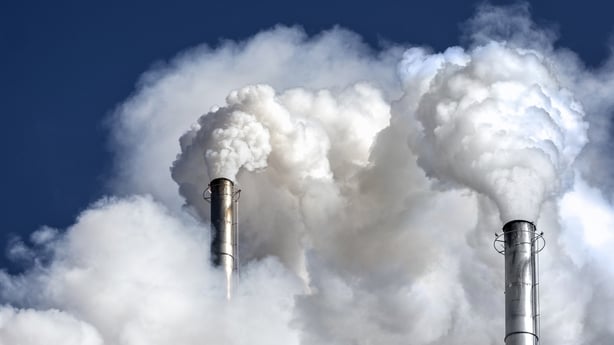
The WMO says that heatwaves exacerbate air pollution, which is already responsible for an estimated seven million premature deaths every year and is the fourth biggest killer by health risk factor.
The changing climatic conditions are also increasing the transmission of many climatically sensitive infectious food and water-borne diseases.
The report says that, as an example, dengue is the world's fastest-spreading vector-borne disease, while the length of the malaria transmission season has increased in parts of the world.