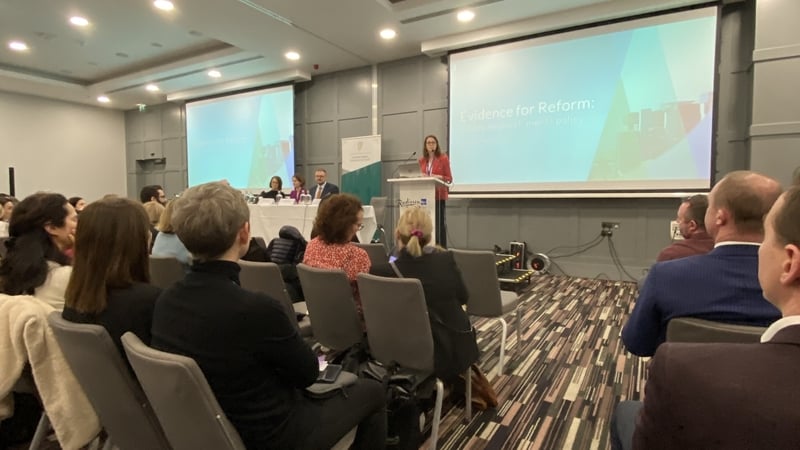

Ireland's health budget could rise to 25% of all Government spending by 2040, a Department of Health conference has heard.
Currently the health budget takes around 20% of all Government spending, over €23 billion a year.
Luca Lorenzoni, of the Organisation for Economic Cooperation & Development (OECD), told the meeting that Ireland has a very young population and health spending is comparatively high, compared to around 38 countries.
He said it is the second highest across OECD members but added that country comparisons can be difficult, as Ireland includes social care spending in its health budget.
By 2040, Ireland’s spend on health is projected to rise by 3.4% a year, compared with the average of 2.6% a year predicted for other OECD countries, according to Mr Lorenzoni.
He said that some measures to control the rise in health spending here would include the prevention and promotion of healthy lifestyles and adopting policies that improve efficiency.
Professor Michael Barry, HSE Clinical Lead for the Medicines Management Programme, said that the bill for medicines is currently about €3 billion a year.
He predicted that this could rise to €4 billion a year in 2027.
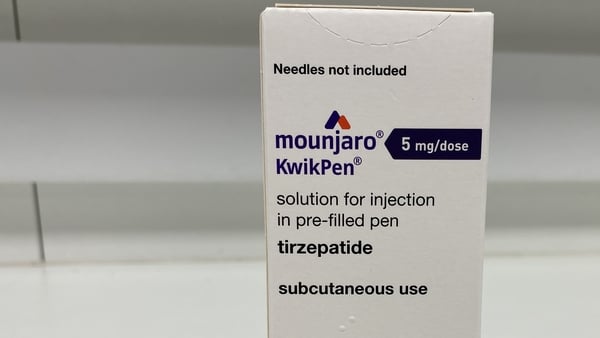
A lot of the extra costs are being driven by high-tech drugs, the long-term illness scheme and certain drugs like new ones for diabetes, Prof Barry added.
He told the conference that in the HSE’s consideration on whether to fund the costs of a new drug, the cost-effectiveness must be examined and the quality-of-life years it will add to patients.
Prof Barry warned about so-called 'game-changer’ drugs because there is uncertainty about some of these medicines and some have weak evidence to support their use.
He also said that curative therapies pose a challenge, as these are one-off treatments.
The money is paid upfront, Prof Barry said, and "you are not sure what the outcome will be".
He told the conference that the first €3m drug per treatment was assessed by the National Centre for Pharmacoeconomics (NCPE) here last year.
It is the world's most expensive drug.
Libmeldy is for a rare inherited disorder in children.
The NCPE recommended that the drug not be considered for HSE funding unless its cost effectiveness can be improved, relative to the existing treatment.
Prof Barry said that the trend in drug spending is a cause for concern and that a sustainable approach is needed.
20% rise in GP visits since 2015, conference hears
Therese McDonnell, of the UCD Iris Health Systems Research Centre, said the introduction of free GP care in July 2015 to those aged under six resulted in a 20% rise in visits to family doctors.
Visits to out-of-hours GP services also rose by over 21% in 2015/16 and by over 29% in 2017/18.
The study she led looked at two years before the policy change and three years after.
Visits to some regional hospital emergency departments by those under six also rose, by over 28% at Cork University Hospital and over 14% at University Hospital Limerick.
There was a rise in walk-ins and GP referrals to the emergency departments and the findings raised questions about GP numbers and GP access in Limerick.
There was a rise in low-acuity cases presenting at the Limerick emergency department.
She said the findings raise questions about whether there is capacity in general practice to absorb a further expansion of free GP care, without adversely affecting patient accessibility.
The conference heard there are 3,000 GPs and to cover any further expansion of free GP care, plus retirements, another 1,000 GPs are likely needed.
Over 200 health staff are attending the day-long conference in Dublin entitled 'Evidence for Reform - Where Research meets Policy'.
Health service is 'not underfunded'
Robert Watt, Secretary General, at the Department of Health, told the conference that the health system is not underfunded but it may be underperforming in places.
He said there are big differences between hospitals that are not all down to funding, beds, or staffing.
He said there is a need to understand what works well.
Mr Watt said it is not sustainable to be going to Government each year seeking a significant increase in the health budget.
He said that the health system has finite resources and advice to Government has to be driven by best evidence and sustainable reform.
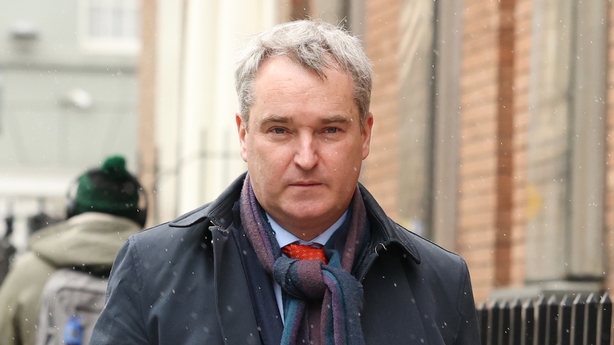
He said his department has been building up its data capacity to provide the best possible advice.
The incoming Chief Executive of the HSE, Bernard Gloster told the conference that public confidence comes from an organisation like the HSE articulating how it makes decisions and explaining them to the public.
He said that decisions need to be made on the best evidence.
Mr Gloster is due to take up his post leading the HSE later this Spring.