
Power was fully restored to roughly 45,000 households and more than 2,000 businesses in Berlin this afternoon, according to city officials, five days after a suspected act of sabotage.
The blackout - the longest outage in the German capital since the end of World War II - affected more than 100,000 Berliners, many of whom spent more than four days without power and heating during freezing temperatures.
Local police said the outage was caused after high-voltage cables close to a gas power plant in the south of the city were set ablaze last Saturday by incendiary devices.
A far-left environmentalist group, calling itself "Vulkangruppe" (Volcano Group), claimed responsibility for the attack in a statement last Sunday.
The group said its aim was to target the fossil fuel energy industry and not to cause power outages.
The act of sabotage left homes and streets in darkness, disrupted train services in the city, cut internet access and initially affected the supply of electricity in some hospitals.
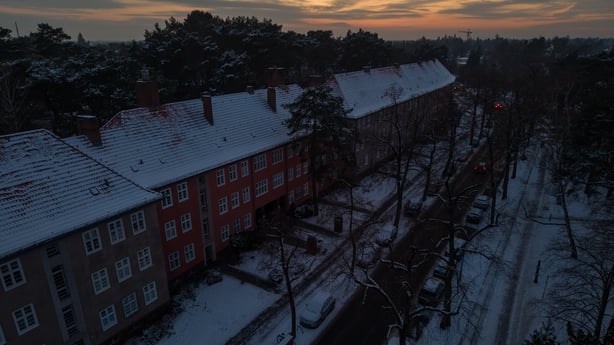
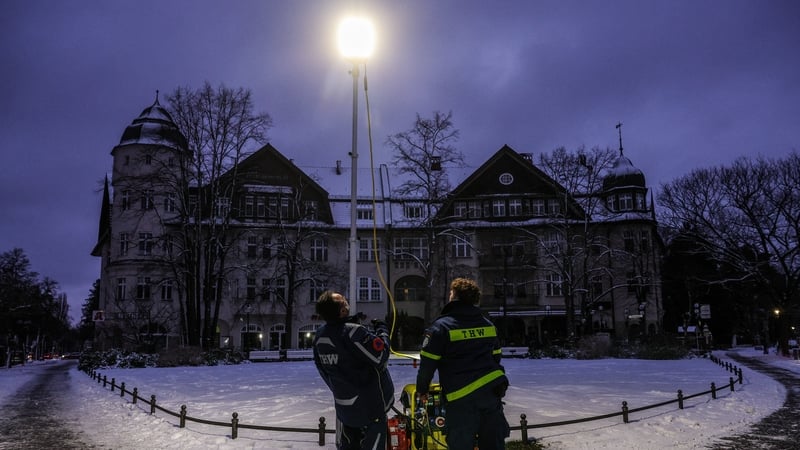
Over the past few days, volunteers from a German federal relief agency set up emergency generators to power affected districts and military personnel helped to refuel the generators.
The German Red Cross also set up heated emergency shelters with beds for residents.
By yesterday, power had been restored to only one-third of affected households.
German federal prosecutors are investigating the incident and the far-left group that claimed responsibility for the attack.
The blackout in Berlin follows a spate of sabotage incidents on Germany's rail infrastructure last year and an increase in the number of daily cyber attacks in the country.
Though this week's incident has not been linked to Russia, the scale of the blackout and the slow response to fully restore power has led some experts to question Germany's current ability to safeguard the country's critical infrastructure.
Additional reporting by Reuters