


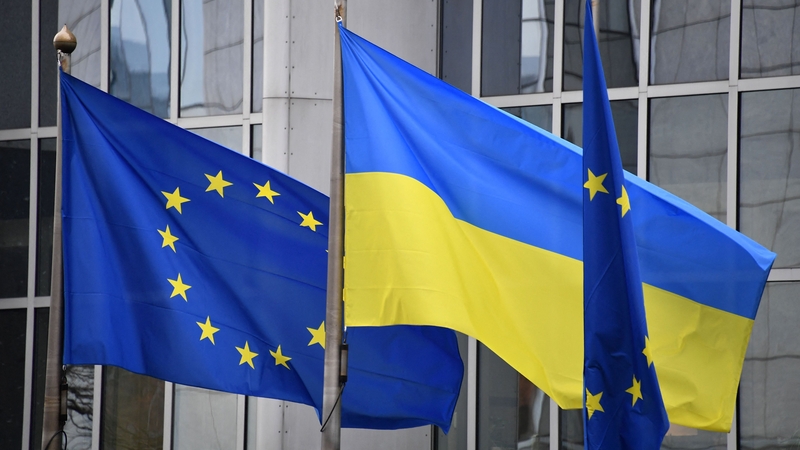
The European Union has formally approved a new barrage of sanctions against Russia for its invasion of Ukraine, which include bans on investments in the Russian energy sector, luxury goods exports and imports of steel products from Russia.
The sanctions, which come into effect after publication in the EU official journal today, also freeze the assets of more business leaders who support the Russian state, including Chelsea football club owner Roman Abramovich.
The European Commission said in a statement today that the sanctions included "a far-reaching ban on new investment across the Russian energy sector".
The measure will hit Russia's oil majors Rosneft, Transneft and Gazprom Neft, but EU members will be still able to buy oil and gas from them, an EU source told news agency Reuters.
There will also be a total ban on transactions with some Russian state-owned enterprises linked to the Kremlin's military-industrial complex, the EU executive said.
The bloc reached a preliminary agreement on the new sanctions yesterday, and no objections were raised before an agreed deadline.
The ban on Russian steel imports is estimated to affect €3.3 billion worth of products, the commission said.
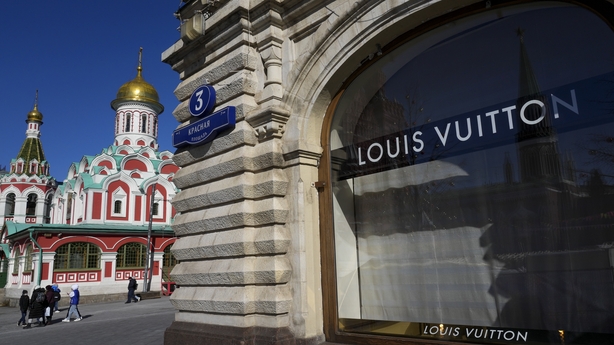
EU companies will also be no longer allowed to export any luxury goods worth more than €300, including jewellery. Exports of cars costing more than €50,000 will also be banned, EU sources said.
The package also prohibits EU credit rating agencies from issuing ratings for Russia and Russian companies, which the commission said will further restrict their access to European financial markets.
The latest sanctions follow three rounds of punitive measures, which included freezing of assets of the Russian central bank and the exclusion from the SWIFT banking system of some Russian and Belarusian banks.
The EU also agreed today to strip Russia of its "most-favoured nation" trade status, opening the door to punitive tariffs on Russian goods or outright import bans.
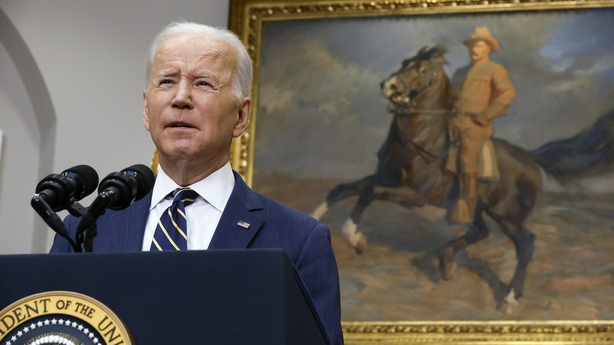
Meanwhile, Russia said today that it has put US President Joe Biden, Secretary of State Antony Blinken and other top officials on a "stop list" that bars them from entering the country.
Their names, together with Defense Secretary Lloyd Austin, CIA chief William Burns, National Security Adviser Jake Sullivan and others, were included on a list of 13 individuals banned from Russia in response to sanctions imposed by Washington on Russian officials.
Former Secretary of State Hillary Clinton was also named.
But the foreign ministry said it was maintaining official relations with Washington and if necessary would make sure that high-level contacts with the people on the list could take place.
US announces more sanctions
The US has also imposed sanctions on Russians it accused of gross human rights violations and slapped fresh measures on Belarus President Alexander Lukashenko, increasing pressure on Moscow and its close ally amid the war in Ukraine.
The US Treasury Department said it was imposing sanctions on four people and one entity it accused of playing a role in concealing events around the death of whistleblower Sergei Magnitsky or of being connected to human rights violations against human rights advocate Oyub Titiev.
The Treasury statement also said it was adding to its sanctions against Mr Lukashenko and also targeting his wife.
They were the latest US sanctions imposed on Moscow since Russian forces invaded Ukraine nearly three weeks ago in the biggest assault on a European state since World War II. Moscow calls the invasion a "special operation".
"Today's designations demonstrate the United States will continue to impose concrete and significant consequences for those who engage in corruption or are connected to gross violations of human rights," the head of the US Treasury's Office of Foreign Assets Control, Andrea Gacki, said in the statement.
"We condemn Russia’s attacks on humanitarian corridors in Ukraine and call on Russia to cease its unprovoked and brutal war against Ukraine."
Mr Magnitsky was a Russian lawyer arrested in 2008 after alleging that Russian officials were involved in large-scale tax fraud. He died in a Moscow prison in 2009 after complaining of mistreatment.
In 2018, Oyub Titiev, head of the Memorial human rights centre in Chechnya, was detained and accused of possessing illegal drugs. Mr Titiev said the police had planted the drugs on him during a shake-down. He was sentenced to four years in a penal colony.
Meanwhile, Mr Biden is to travel to Brussels for NATO and EU summits next Thursday, according to officials.
The gatherings on 24 March of the US leader with his European counterparts come after Washington and Brussels unveiled successive waves of coordinated sanctions against Moscow.
"We will address Russia's invasion of Ukraine, our strong support for Ukraine, and further strengthening NATO's deterrence and defence," NATO Secretary General Jens Stoltenberg said in a tweet.
"At this critical time, North America and Europe must continue to stand together," he added.
At the summit in Brussels, Mr Biden will "reaffirm our iron-clad commitment to our NATO allies", White House Press Secretary Jen Psaki told reporters.
At the EU summit, leaders would discuss the invasion of Ukraine and Western efforts to impose "economic costs on Russia, provide humanitarian support to those affected by the violence and address other challenges", Ms Psaki said.
