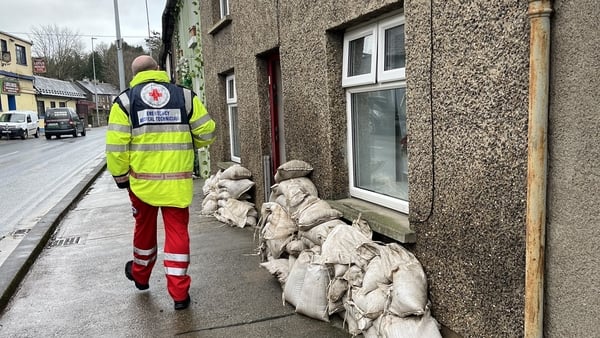
After what has felt to many like endless rain since the beginning of the year, patches of blue sky are finally beginning to appear, suggesting spring may be on the way.
Eithne Dodd of RTÉ's This Week speaks to gardeners and garden lovers about how they’ll know when spring has truly arrived.
Seventeen trees in Johnstown Castle in Co Wexford fell due to heavy rainfall in the gardens since the beginning of the year.
Head gardener Ciarán Fitzgerald said the amount of rainfall in the estate since the beginning of the year has been "incalculable".
"Even just looking at the flower bed beside us, where there's a little turlough forming - it's just been constant."
The trees that fell were "perfectly healthy," Mr Fitzgerald said, but the ground underneath had become so wet that they could not remain upright.
"Some should survive - just in a more angular position," he said. Others will have to be cleared for safety reasons.
The weather station at Johnstown Castle recorded 27 consecutive wet days between 6 January and 1 February, with 234.4mm of rainfall.
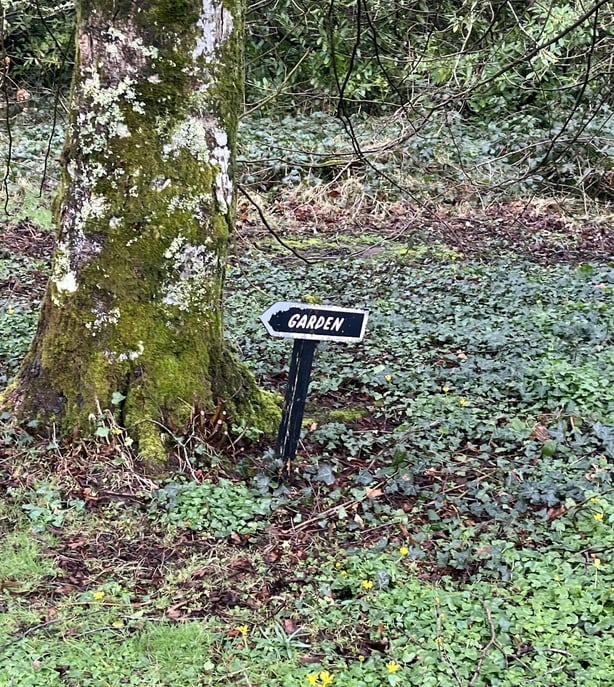
According to provisional data on the Met Éireann website, it has rained there every day so far in February, except for two days.
Mr Fitzgerald said he would not call it spring in the garden yet, but that it was on the horizon.
"We're doing a little bit of a spring clean [in the walled garden] now we've gotten over the hibernation period for most of the solitary bees."
Johnstown Castle is an official conservation area for the wild native Irish black honey bee.
The black honey bee is the last remaining genetically pure native honey bee in northern Europe.
Now that their hibernation period is over, Mr Fitzgerald and his gardeners can cut some growth back and allow new leaves to come.
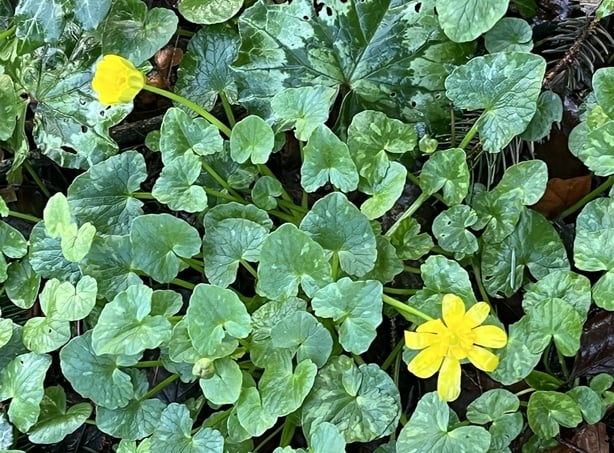
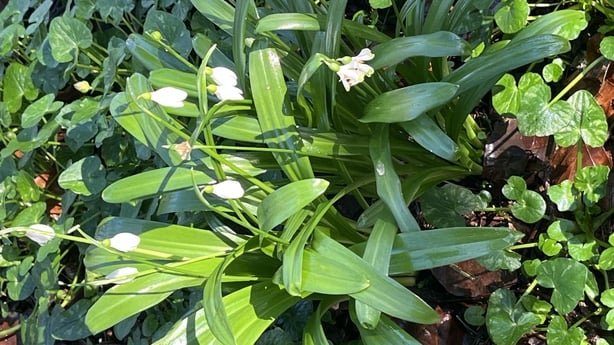
The first flower of spring seen in Johnstown Castle is the lesser celandine, a member of the buttercup family, which will cover the forest flower.
"It's a lovely carpet of yellow," Mr Fitzgerald said.
Johnstown Castle is trying to increase its proportion of native plant species in its garden and remove the invasives such as cherry laurel.
"The seed bank that's naturally in the old woodland is starting to pop up," Mr Fitzgerald said.
"We literally have acres of lesser celandine and bluebells.
"Seas of yellow and blue; they'll really start to kick in now from end of March."
Rainfall impact on flowers
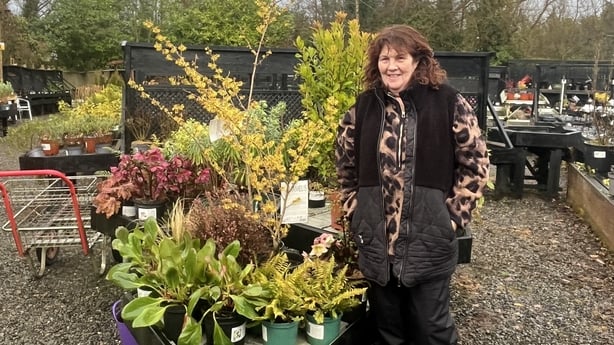
Aileen Muldoon Byrne, of Boyne Garden Centre and Nursery, said there were some plants in flower including hellebores, and more were about to come, including bergenias and corydalis, but most were still asleep.
"There are some plants that just do not like this rain and we'll just have to see how they thrive or how they don't thrive," Ms Muldoon Byrne said.
"Ligularias, rodgersias, hostas, some of the ferns, they all like this incessant rain."
"It's been particularly wet," Ms Muldoon Byrne said, but she added she feels lucky to live on a height rather than a flood plain which could have caused more issues for her.
"The plants are getting soaked for sure.
"The ground is soaked and it hasn't been drying out. So, we're very careful not to go into our own flower beds and start tramping all over them.
"We're going to wait until we have some dry spells because we just cause more damage.
The wet and rainy weather has impacted footfall to Ms Muldoon Byrne's garden centre but she says her online orders have been busy.
She lists ligularias, hostas, ferns, birch trees, primulas and hydrangeas.
"I think [the rain] has been worse than normal, but I'm trying to be as positive as I can about it," Ms Muldoon Byrne said, adding that at least the temperatures are mild.
"We've just got to put up with it. There's nothing we can do."