
A new report has found that 90% of Ireland's EU-protected habitats are in 'unfavourable’ conservation status, with 51% showing deteriorating trends across their national ranges.
This includes sites designated as Special Areas of Conservation as well as the wider countryside.
The report also shows 58% of Ireland’s EU-protected species to be in 'favourable' conservation status and over two-thirds showing either stable or improving trends.
There are 59 EU-protected habitats in Ireland and 60 protected species.
The report on the status of habitats and species, commonly referred to as the Article 17 report, is required to be published every six years under the EU Habitats Directive.
Semi-natural and natural Irish habitats across marine, freshwater, coastal, peatland, grassland, woodland, rock, fen and heath ecosystems are included.
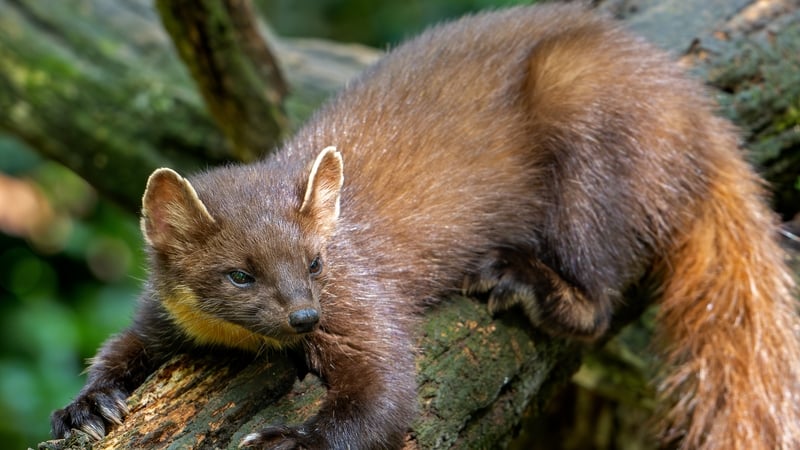
The species covered include all types of whales and dolphins, all bat species, otter, mountain hare, pine marten, as well as certain plants, invertebrates, fish and three amphibian and reptile species.
The report highlights how over two-thirds of habitats are impacted by agricultural-related activities, particularly inappropriate grazing, drainage, and pollution.
Invasive and problematic species, recreational activities and pollution are also impacting habitat quality.
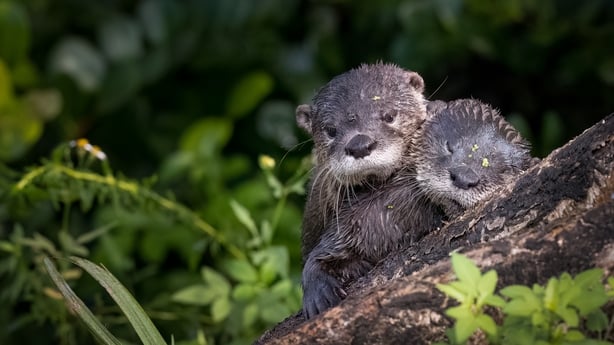
Freshwater species are under pressure from water pollution.
However, the report indicates that Ireland is an EU stronghold for many of the listed plant and bat species.
In addition, otters, frogs and seals continue to thrive here and many of Ireland’s whale species were found to be in good status.
It also shows the habitats for pine martens, and three bat species are expanding, while juniper scrub, dune heath, submarine structures and caves are in favourable status.
Against that, there are ongoing pressures impacting freshwater habitats and coastal marine habitats.
Woodland habitats are being impacted by deer grazing and other invasive species such as Rhododendron.
Also pearl mussel is very sensitive to agricultural and forestry related pollution, while white claw crayfish have been impacted by plague.
The analysis also suggests that concerted strategic conservation measures, such as the restoration of bogs by Bord na Móna (BnM) and conservation measures to protect Lesser Horseshoe Bats, are responsible for an improving trend.
In addition, the All-Ireland Pollinator Plan has made a major impact on the expansion of Hay Meadows which is a positive development.
Minister of State for Nature, Heritage and Biodiversity Christopher O’Sullivan said that Ireland must be "heartened by the huge effort under way across all corners of the country to protect and restore our natural world, and remind ourselves of the need for patience: while nature can bounce back quickly, the recovery of habitats and species to the high standards set out in the Habitats Directive can take time.
"We must also redouble our commitment to nature by continuing investment, strengthening collaboration and improving delivery as we strive to stop the loss of biodiversity and move towards a future where it is protected and restored.
Director General of the NPWS Niall Ó Donnchú said that nature "cannot be rebuilt in a day, nor, in many cases, even in a decade".
"The real time to begin was yesterday. And though today’s findings may feel disheartening, they also reveal the quiet but powerful momentum of nature and species renewal already under way," he said.
The report's findings will help guide the implementation of Ireland’s National Biodiversity Action Plan and inform future restoration programmes, including the national Nature Restoration Plan required by the EU Nature Restoration Regulation.