
More than half of Irish adults (57%) do not think that the Government is doing enough to address the acute shortage of early years places for children nationwide.
A Red C poll conducted on behalf of Early Childhood Ireland (ECI) was carried out in February when up to 40,000 children under the age of three were on waiting lists for a place.
ECI has said that updated Pobal data now shows the waiting list has risen to approximately 46,000, which it said signaled a clear demand for "urgent, decisive action".
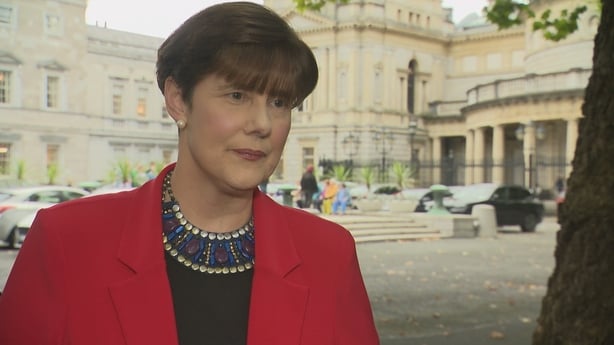
Recently, the Minister for Children Norma Foley said waiting list data should not be used as a measure of overall demand for early learning care and school aged childcare.
In a recent written reply to a parliamentary question, Minister Foley said an individual child may be on multiple waiting lists in different services and may remain on one or multiple waiting lists after taking up a place.
However, ECI, which represents approximately 80% of creches, has said the high number of children waiting for early years places highlights the urgent demand.
Of those polled, 79% agreed that every child should be guaranteed access to early years and school age care in their community. That is a rise from 76% last year.
75% thought that - similar to primary education in Ireland - early years education should be free to all children.
Support for direct Government payment of wages for early years educators has increased, rising from 49% in 2025 to 54% in 2026.
Workforce issues are of major concern to Early Childhood Ireland. It has described the current national staff turnover rate of 25% as "unsustainable".
Director of Policy at ECI Frances Byrne has called on the Government to take "urgent action" to address the underlying issues around pay and conditions.
The organisation has reiterated calls to bring early years graduates under public sector terms and conditions, in line with primary school teachers.
"Without better pay and conditions for the workforce, capacity cannot increase, and waiting lists will remain a reality for tens of thousands of children and families," Ms Byrne said.
At a recent Oireachtas Committee, she described people on very low wages working with young children as "immoral and unethical".
The Programme for Government committed to reducing costs of childcare.
An early year's action plan launched by the Minister for Children has committed to actions this year that will make services more affordable, accessible and improve quality.
According to the poll, 65% of the public agree that the Government should propose that Ireland move to a Nordic model of early years and school age care.
Two-thirds of adults believe all parents should be financially supported to stay home with their child for the first 12 months of their child's life.