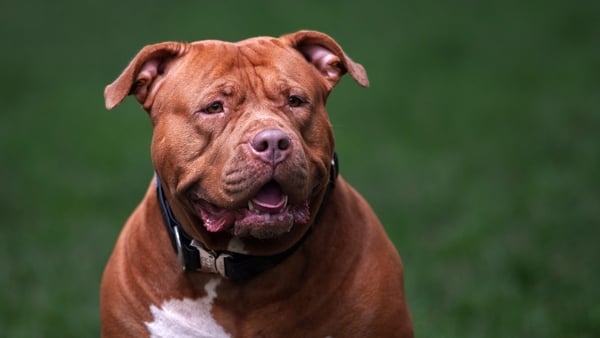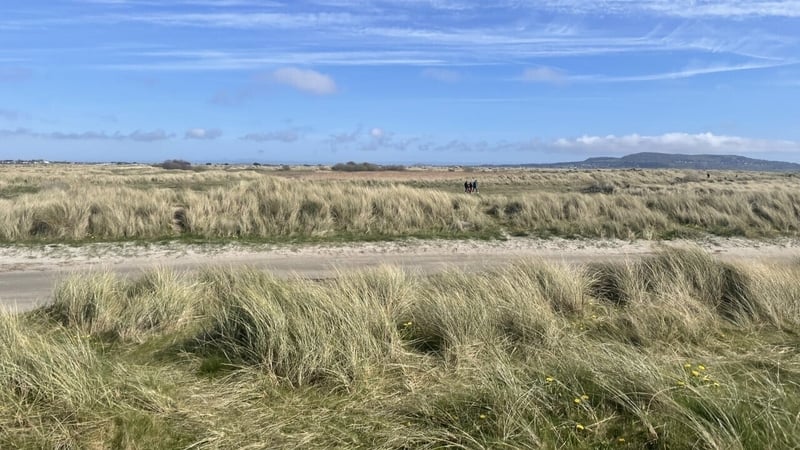

Some dog owners continue to encroach on vulnerable areas of Bull Island despite efforts by Dublin City Council to protect the wildlife on the biosphere.
Head of Parks Biodiversity and Landscape Services at Dublin City Council Les Moore said that Bull Island's Visitor Action Management Plan is under review three years after its initial implementation.
Speaking to RTÉ’s This Week, Mr Moore described the plan as a "voluntary code, explaining to people the importance of particular habitats on the island".
"We just wanted to leave part of the island with less interaction with people than other parts of the island," Mr Moore explained.
Bull Island is a biosphere reserve, a nature reserve and a bird sanctuary under national law, and is heavily protected.
Under EU law, it is a special protection area for birds, a special amenity area and a special area of conservation.
We need your consent to load this rte-player contentWe use rte-player to manage extra content that can set cookies on your device and collect data about your activity. Please review their details and accept them to load the content.Manage Preferences
It is also a recognised biosphere reserve under UNESCO.
Mr Moore said that some people do not obey the rules, but the majority of the 1.5 million people who visit Bull Island each year do.
"I was just talking to one of our conservation park rangers and one of them just informed me today that there was somebody in the last couple of days who walked along one of the salt marshes with a number of dogs off-lead and disturbed wading birds there.
"So, it's something we're going to tackle.
"We'll be guided by the eyes and ears of people who use the island as to how successful that is over time and how we can improve or amend what we're asking people to do there," Mr Moore said.
Efforts to protect the biosphere
Last year, five conservation park rangers were employed by the council to promote biodiversity and educate the public on the island.
Three years ago, signs were erected which explained the island’s new zoning system to protect the island’s sensitive habitats.
The signage cost around €15,000 to erect in 2023. Later this year, more signage will be installed.
Visitors are asked to keep their dogs on a short lead while walking through the dune area and not bring them into the salt marshes or the northern tip of the island at all.
Dogs are allowed on the southern Dollymount Strand area outside of bathing season.
During bathing season, dogs must be kept on a lead during peak hours.
The rangers have no enforcement role, but they do ask people to put their dogs on leads and stick to the paths and educate the public on the biosphere.
In the salt marsh area, evidence of dogs' footprints and droppings was visible even though they are not supposed to be there at all.
Local Green Party Councillor Donna Cooney, who is a member of the Bull Island Oversight Forum, said she has observed fewer people going to the northern tip of Bull Island after the signs and stakes on the beach were erected.
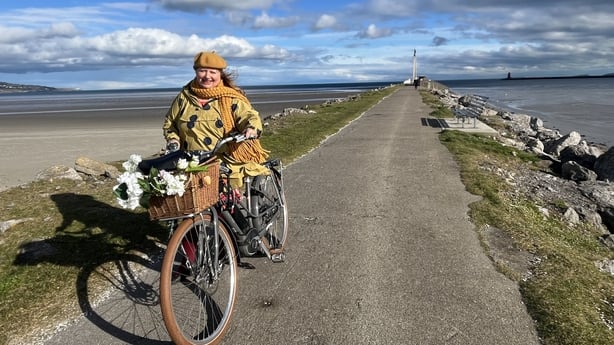
The conservation park rangers work on the island seven days a week and Cllr Cooney said they were "successful to a degree".
"There is still some issues around dogs off-lead," she said.
"We don't have enough data to know how successful it’s been," she added.
The oversight forum meets every eight weeks and revisions to the original visitor access plan are currently being discussed.
Mr Moore said any changes that are made will be done based on scientific and technical advice on what is and is not working in the current plan.
"We're carrying out a flora and vegetation survey this year," Mr Moore said.
The results of that survey will be used to compare with the survey five years earlier.
"Our decision-making is based on monitoring change, surveying habitats and species to make sure that whatever we're doing is based on the best information available.
"There is no crisis as such. Obviously, change happens over time, and we are monitoring change and adapting to that as needs to be," Mr Moore said.
Cllr Cooney said that education was the most effective way to protect the island.
"Dublin City Council have a limited amount of resources and they have to protect this area with the same funding that they have to all parks and yet it's the most important protected area anywhere in Ireland," she said.
"It's really, really important to protect this on an international level and we just don't have the funding to do that.
"So rather than be critical of Dublin City Council, because I think they're doing really well with what they have. I think that if we had more funding, we could do even more," she added.
'Nature is allowed to survive here'
Despite its challenges, Bull Island is a biodiversity haven for many birds. The salt marshes on Bull Island are most active during the winter months.
In late spring, some immature curlews and brent geese still use the marsh.
Other birds use it as they pass through, including wheatears and whimbrels, which used to nest on the island but don't anymore.
Clontarf native Proinsias Mac an Bheatha, who wrote a book on the wildlife of Bull Island, has observed cuckoos on the island in the past few years.
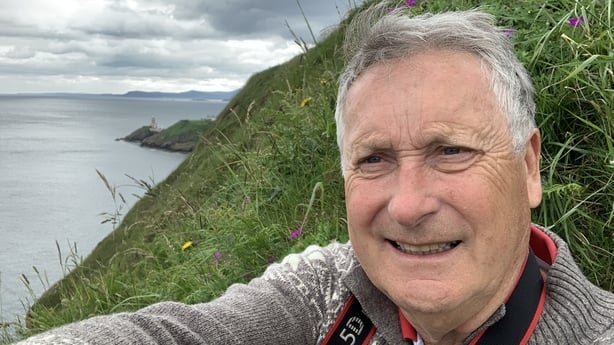
"The island is maturing in the dunes, you have alder trees and willow trees growing, and this is the perfect habitat for a cuckoo," Mr Mac An Bheatha explained.
Cuckoos migrate to Ireland from Africa and are known to leave their eggs in the nests of other bird species.
"In August, didn't I see the young [cuckoo] being fed by a meadow pipit?" Mr Mac an Bheatha said.
"To me, it was fairly good proof that the cuckoo had been born and bred on this island and that means they might just come back here again," he said.
Mr Mac an Bheatha also observed young sedge warblers, another migratory bird from Africa, on the island in recent years.
"I think [the island] will always be here," Mr Mac an Bheatha said.
"Nature is allowed to survive here," he said. "It's full of birds, it's full of flowers, it's full of insects," he said.
Many ground nesting birds are still using the island including meadow pipits, skylarks and stonechats.
"They make a little camouflage nest in the long grass," Mr Mac an Bheatha said.
Badgers, rabbits and foxes are found on the island, but the hare population has vanished.
The terns and ringed plover birds observed by Mr Mac an Bheatha when he was a child have not been seen on the island in recent years.
The Irish Whale and Dolphin Group has been observing the seals that use Bull Island since 2016.
Over the ten-year period, both grey seals and harbour seals show an overall increase, although the island is not considered a breeding or moulting site for either species.
Mr Mac an Bheatha also creates plant-based barriers to protect the rare flowers from people and dogs trampling them.
"There's only about seven of them [autumn lady's-tresses] left on the island... they're gone everywhere else," he said.
The trees are also found nowhere else in Dublin.
Mr Mac an Bheatha also looks out for another rare plant, wild clary. He believes there are about 25 on the island.
"It's disappearing because it needs that sort of dune condition, sandy soil and very low grass.
"Unfortunately, if it comes up here, it's going to get trampled down," he said.