


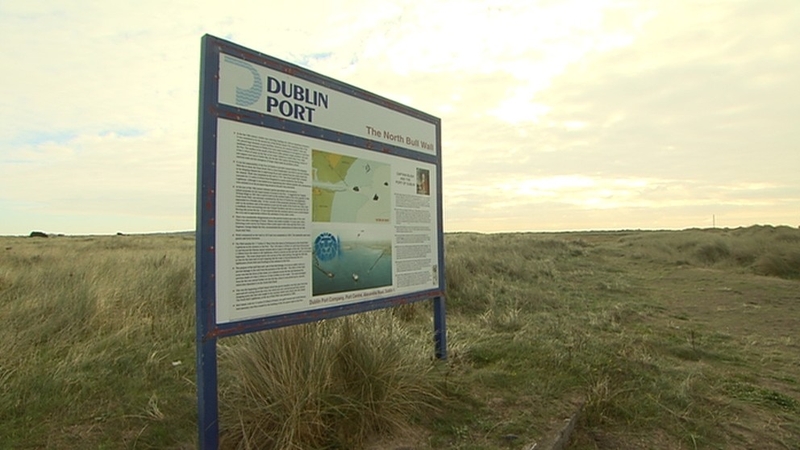
A new visitor access management plan for North Bull Island, which requires all dogs to be on leads in the dunes and closes off part of the island to visitors, is set to come into effect from 30 April.
The plan, which is proposed by Dublin City Council, requires people not to access the salt marsh or northern tip of the island, which will be left undisturbed.
According to the council, the salt marsh is where migratory birds feed and roost, so that they can build up crucial fat reserves for their long migratory journeys.
The northern part of the island is also home to seals.
In addition, dog walkers will be required to keep their dog on a lead in the dunes to prevent disturbance to ground nesting birds.
A designated area of the beach will be available for dogs off-lead outside of the bathing season and bathing hours 11am to 8pm.
These 'zones' will be marked with signage and colour coding as follows; red (no access), blue (dogs on lead) and green (off lead outside of bathing season/bathing hours).
The plan was developed after discussions with stakeholders who use and care for the island and nature reserve.
The council says that it is based on a voluntary code, which seeks to promote responsible behaviour in those visiting the island and that it fully expects that the local communities and people from a wider area will understand the need for this voluntary code to protect what is so special about the island.
The island supports nine internationally important habitats and a range of protected species, including: Petalwort; Marsh Fritillary Butterfly; Harbour and Grey Seal; Common lizard; and at least three species of bat.
The island’s flora is significant, the council statements adds, with 361 plant species recorded so far, which includes five rare species protected under law.
It is estimated that there are more than two million visitors to the island each year.
