
The organisation representing the country's barristers has recommended that barristers who work in the criminal courts should withdraw their services for one day in October in an effort to get pay cuts imposed after the financial crash restored.
The Council of the Bar of Ireland said it had not taken the decision to recommend the action to its members lightly, but it said it has been left with no alternative.
It said no progress has been made despite engagement with successive governments and despite reforms and flexibility being delivered by its members who work in criminal law.
The Bar of Ireland said it wants a meaningful, independent and time-limited mechanism to determine the fees criminal barristers should get from the Director of Public Prosecutions and under the criminal legal aid scheme.
It said barristers suffered two 8% pay cuts in 2009 and 2010, as well as a further 10% pay cut in 2011.
The council said fees for criminal barristers currently remain below 2002 levels, despite the fact that the Office of the Director of Public Prosecutions and the Department of Justice recognised in 2018 that barristers were entitled to have their pay restored.
Minister for Justice Helen McEntee has said previously that she sees no good reason why those working in the legal profession are left waiting for pay cuts to be restored while public and civil servants have had theirs restored.
This morning, she said she would engage with the council before the day of action planned for the second day of the new legal term on 3 October.
The minister said she had addressed the issue with Minister for Public Enterprise Paschal Donohoe. She said she could not pre-empt what would happen in October, but she said the issue was a priority for her.
The Chair of the Council of the Bar of Ireland has said the recommendation to members was a very significant step that the council had not taken lightly.
Senior Counsel Sara Phelan said they were very mindful of the possible impact on service users, including victims of crime and witnesses, but she said they had been left with no alternative.
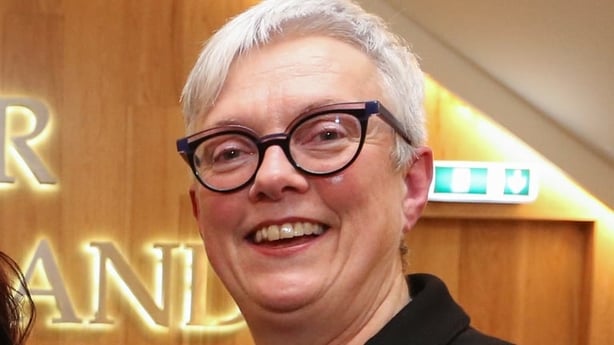
She said despite the views expressed by the office of the DPP and the Department of Justice in 2018, there had been no progress since.
Ms Phelan said the difficulty was that this was a political decision and that the Department of Justice did not hold the purse strings.
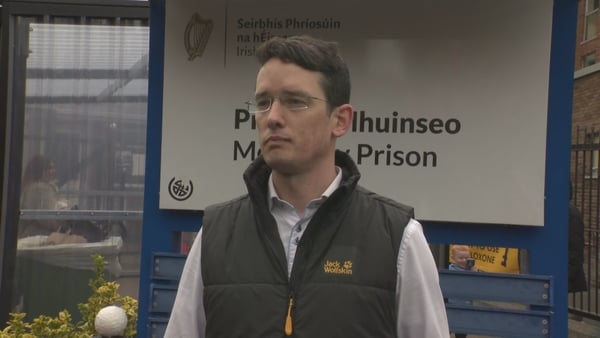
Senior Counsel Sean Guerin, who is the Chair of the Criminal State Bar Committee, said the pay cuts amounted to an effective pay cut for criminal barristers of 40% since 2002.
He said barristers accepted they should be treated like anyone else and that pay restoration was conditional on the improvement in the provision of public services and reform.
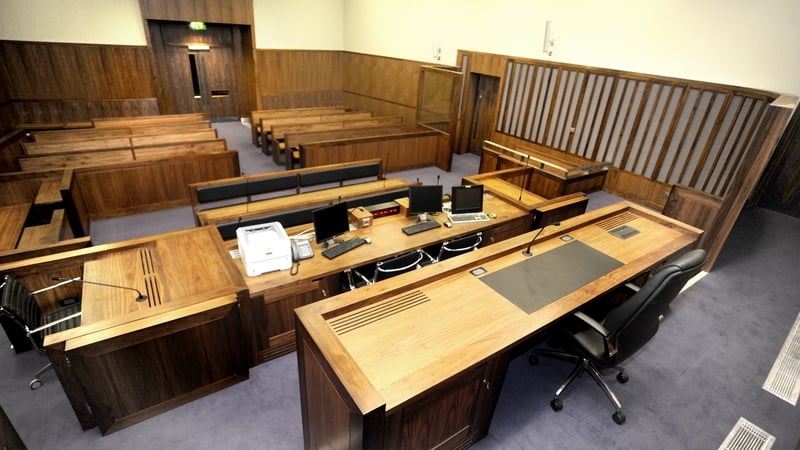
He said barristers had delivered reforms and flexibility and yet he said when a barrister went into court to prosecute a criminal case, everyone else in court from the judge, to solicitors, courts service staff and prison officers had had their pay restored while the criminal barrister had not.
Mr Guerin said reforms delivered by barristers included the implementation of the EU victims' directive, new measures to deal with vulnerable witnesses, digital briefing and new pre-trial procedures.
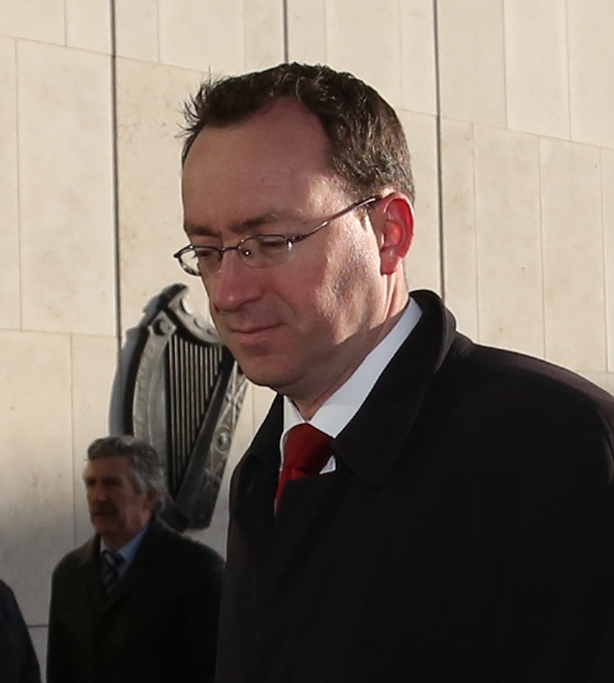
He said there was enormous frustration among barristers at the lack of progress in restoring their pay.
Mr Guerin said coming to court for a serious criminal case was a stressful and difficult day for everyone involved and the prospect of a case being delayed was not something anyone wanted to see.
He said the action was being taken with "real regret" but with determination that a meaningful measure for pay restoration was put in place.
At the moment, Mr Guerin said young barristers could not make a living out of criminal law. Two thirds of those practising criminal law will be gone in six years, he said.
Mr Guerin said they need a viable pathway to develop a reasonable income for the high-quality, difficult work they do.