

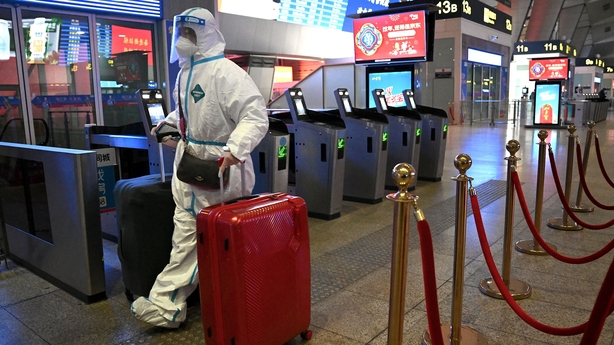
With China days away from dropping border controls that have effectively shut it off from the rest of the world for three years, countries are lining up to impose curbs on travellers from China to contain its Covid-19 outbreak.
From Sunday, China will drop a requirement for inbound travellers to quarantine, the latest dismantling of its "zero-Covid" regime that began last month following historic protests against a suffocating series of mass lockdowns.
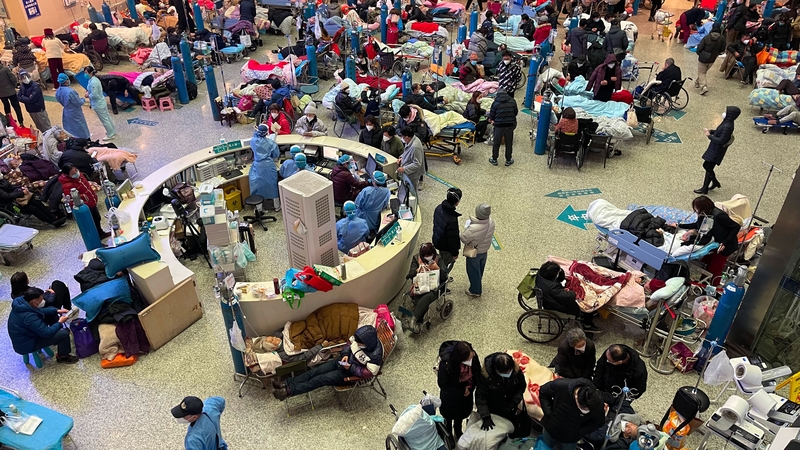
But the abrupt changes have exposed many of China's 1.4 billion population to the virus for the first time, triggering an infection wave that is overwhelming some hospitals, emptying pharmacy shelves of medication and causing international alarm.
Greece, Germany and Sweden yesterday joined more than a dozen countries to demand Covid tests from Chinese travellers, as the World Health Organization said China's official virus data was under-reporting the true extent of its outbreak.
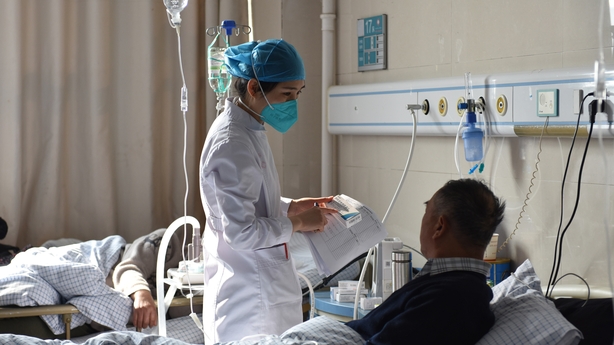
Chinese officials and state media have struck a defiant tone, defending the handling of the outbreak, playing down the severity of the surge and denouncing foreign travel requirements on its residents.
"No matter how China decides to deal with the Covid-19 epidemic, some Western media and some Western politicians will never be satisfied," the state-run Global Times wrote in an editorial.
The aviation industry, which had been battered by pandemic curbs, has also been critical of the decisions to impose testing on travellers from China.
China will still require pre-departure testing for inbound travellers after 8 January.
China reported five new Covid deaths in the mainland for yesterday, bringing its official virus death toll to 5,264, one of the lowest in the world.
But that is at odds with the situation on the ground where funeral homes and crematoriums are overwhelmed, and some hospitals are packed with elderly patients on respirators.
International health experts believe China's limited definition for Covid deaths does not reflect the true toll that could rise to more than a million fatalities this year.
With the big Lunar New Year holidays late this month, the mainland is also set to open the border with its special administrative region of Hong Kong on Sunday, for the first time in three years.
Ferry services between the city and the gambling hub of Macau will resume on the same day.
Hong Kong's Cathay Pacific Airways said it would more than double flights to mainland China. Flights to and from China remain at a tiny fraction of pre-Covid levels.
The WHO has warned that the holiday, which starts on 21 January and usually brings the biggest human migration on the planet as people head home from cities to see families in the countryside, could generate another wave of infections without higher vaccination rates and other precautions.
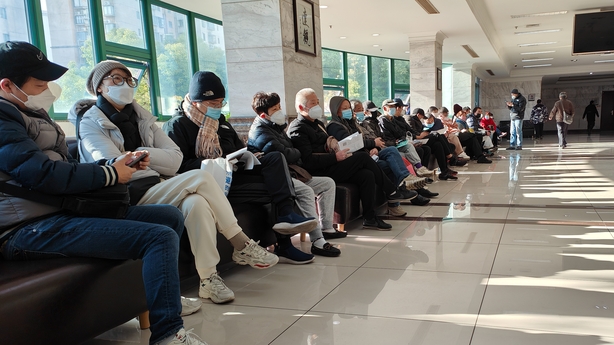
Authorities expect 2.1 billion passenger trips, by road, rail, water and air, over the holiday, double last year's 1.05 billion during the same period.
The transport ministry has urged people to be cautious to minimise the risk of infection to elderly relatives, pregnant women and infants.
One region that could be a major beneficiary of China's opening is southeast Asia, which has steered clear of demanding Covid tests from Chinese visitors.
Except for airplane wastewater testing by Malaysia and Thailand for the virus, the region's 11 nations will treat Chinese travellers like any others.
As many as 76% of Chinese travel agencies ranked southeast Asia as the top destination when outbound travel resumed, according to a survey released in December by trade show ITB China.
We need your consent to load this rte-player contentWe use rte-player to manage extra content that can set cookies on your device and collect data about your activity. Please review their details and accept them to load the content.Manage Preferences
Meanwhile, China's ambassador to Ireland has said the situation in China has been improving day by day since the "zero Covid" policy changed and life is going back to normal.
He Xiangdong said that in Beijing and a lot of other major cities, the number of patients going into hospital is "declining day by day".
Speaking on RTÉ's Morning Ireland, he also said that Covid measures should not be discriminatory against travellers from China.
He said that China is not targeting any specific countries and simply requests people from all countries to have a negative test to enter the country.
Mr He also rejected assertions that China is under reporting Covid infections and deaths and that like in many other countries a lot of people did not do tests or just stayed at home and did an antigen test.
"The figure only includes those patients who did the PCR tests in hospital," he said.
