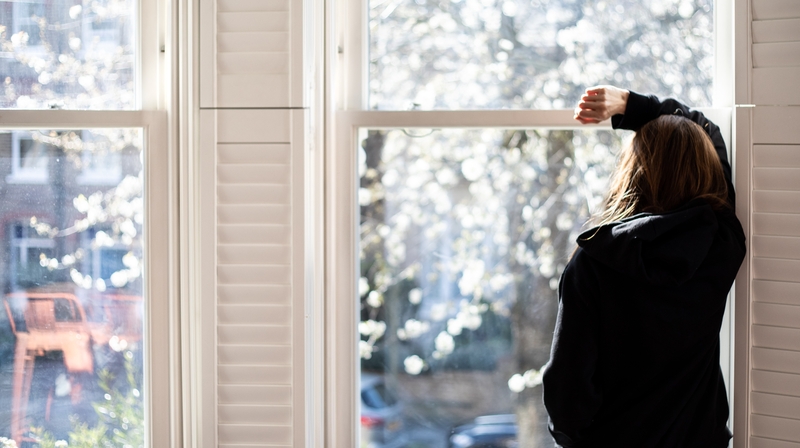

Almost 60% of people say their mental health has been impacted by the pandemic, with younger people more likely to have experienced recent difficulties with their well-being.
The fifth Social Impact of Covid-19 survey, from the Central Statistics Office, gives an insight into the way people's lives have changed in the last year.
The research - based on an online questionnaire with 1,621 people earlier this month - shows over 15% said they were downhearted or depressed "all or most of the time", in the four weeks before the survey.
This compares with a figure of 5.5% in a similar study last April during the first wave.
Almost three-quarters of those aged between 18 and 34 said the pandemic was having a negative impact on their mental health, compared to less than a third of those aged 70 or older.
Life satisfaction is described as "low" by over 40% of those surveyed.
Female respondents were more likely to feel lonely or report that their mental health and well-being had been negatively impacted by the pandemic.
Personal compliance with public health restrictions in February was rated as "high" by three quarters of participants, an increase of 10% since last November.
Just over 4% of those surveyed said the events of the last year had a positive impact on their mental health.
The survey shows general support for the present Level 5 restrictions, but more than 60% of respondents believe that similar measures will have to be reimposed sometime before the end of this year.
In a similar survey last November, 40% of people thought their lives would be back to normal within a year.
Now, just 24% are expecting a return to pre-Covid life by November of this year.
The number of people who believe their life will never return to normal has doubled - up from 4.3% to 8.9% - in the three months to February.