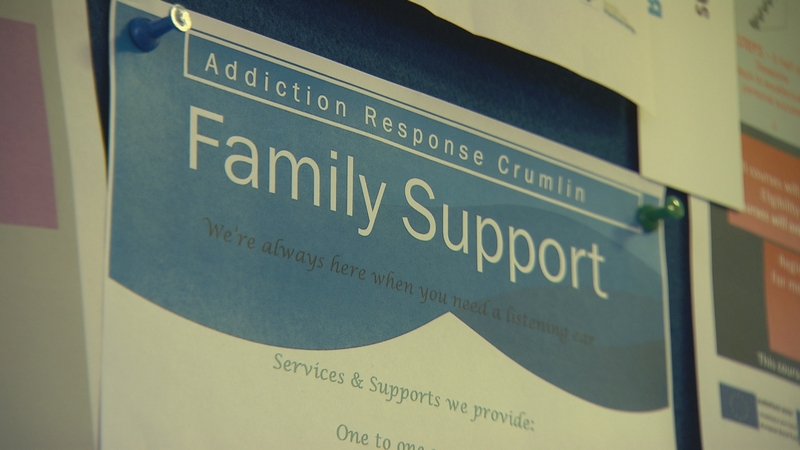

Charities helping people with addiction problems which have had to curtail some of its services because of coronavirus say they are worried clients may fall back into misuse.
Many groups, including Alcoholics Anonymous, have now taken to online social platforms to keep in contact, but there are concerns about those who cannot or will not engage.
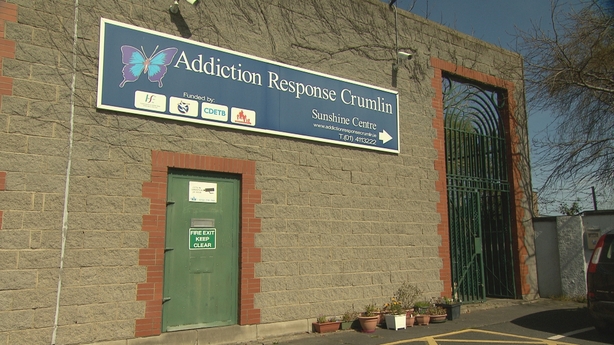
Addiction Response Crumlin (ARC) in Dublin first opened it doors 24 years ago. Since then it has helped thousands of people with drug and alcohol addictions. They assist people to try and reduce their dependency and provide aftercare support for those who have come out the other side.
Normally, its premises is bustling with activity but now the corridors are quiet because of the Covid-19 restrictions. Its face-to-face counselling and group meetings have all been cancelled.
"People's anxiety levels are up", says Susan Collins, the Managing Director of ARC. "It is tough for people when they have addiction issues, particularly when there isn't the actual physical support they can attend."
Austin Tuohy, an aftercare worker at ARC, interacts with around 60 clients every week - all of whom have moved on from addiction but still need support. He says the main worry is about people relapsing back into misuse.
"One case I can think of is a guy struggling with anxiety and loneliness. He's stuck and he's cut off from all of his social interactions and this has been a factor in him going back and abusing tablets," he says.
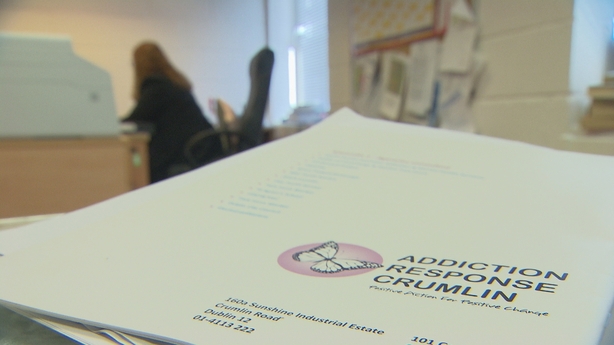
But the services at ARC are adapting. Many meetings now are conducted on social platforms like Zoom and phone contact with clients is also being used more. The last phonebill from its family support services came in at 28 pages long.
Other support groups are also changing the way it engages clients. Alcoholics Anonymous has said Covid-19 has impacted greatly on its service. All of its physical meetings in Ireland, around 2,000 every week, have been cancelled with some moving to the phone or online. It is keen to stress that a list of online meetings can be found on its website along with other advice.
Experts say for those with addiction issues, maintaining contact with their supports by whatever means, is key.
Professor Colin O'Gara from St John of God Hospital says moving services to platforms like Zoom is proving to be a success for many, but acknowledges it does not suit everyone. He is also predicting extra demand in the weeks ahead.
"Isolation is at the root of so much mental illness and addiction problems," he says. "I think as a result we're going to see an increase in problem in the weeks after the crisis ends. No doubt about it."
The advice for those struggling is to reach out for help.
We need your consent to load this rte-player contentWe use rte-player to manage extra content that can set cookies on your device and collect data about your activity. Please review their details and accept them to load the content.Manage Preferences