
The person charged with overseeing the exhumation process at the former mother-and-baby home in Tuam, Co Galway has said it will be next year before work begins to recover infant remains from the site.
Daniel MacSweeney was appointed as Director of Authorised Intervention by the Government in May.
He said the nature of the work to be carried out at the burial site in Tuam is such that it will take some time to complete.
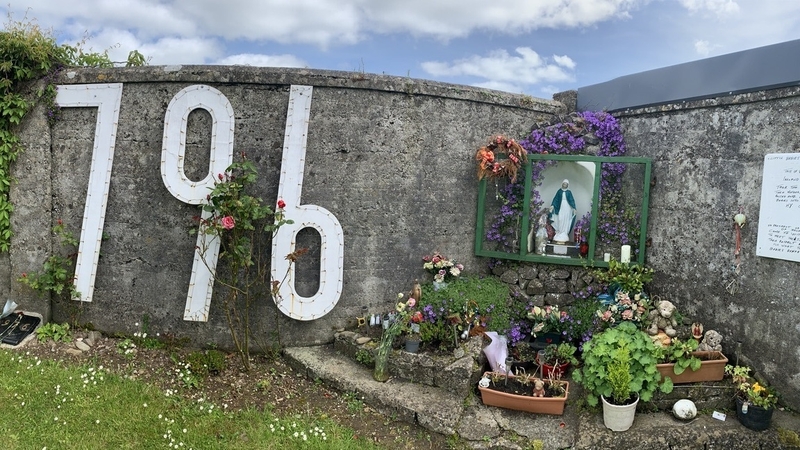
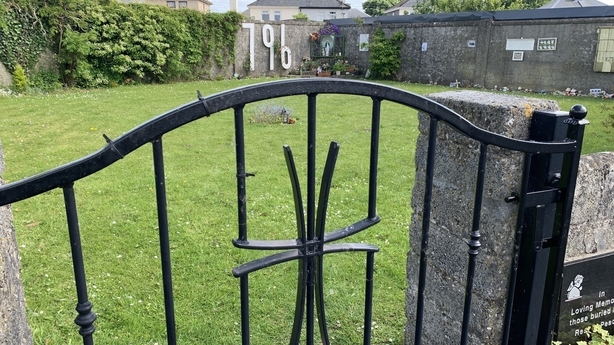
Research by local historian Catherine Corless found there were no burial records for 796 children who died in the home between 1925 and 1961.
Subsequent investigations determined that there were infant remains in 18 chambers on the site.

Initial surveys have identified a range of bones from babies and children, up to the age of around six.
Speaking to Galway Bay FM today, Mr MacSweeney said he was dealing with "an extremely complex situation" both in terms of location, and the work to be carried out there.
He said the exhumation and analysis would be done to the highest international forensic standards.
But Mr MacSweeney cautioned that "if there are 796 children, most of whom are under a year old ... there could be in excess of 200,000 bones to be found".
"We need to track and trace each one of them, as we take it out of the ground, so that we can do the identification and the individualisation of remains, to the extent that that is possible."
After that, efforts will be made to try to ascertain the causes and circumstances of death.
Mr MacSweeney said it was not known what would be found when the exhumation process began.
He hopes to be in a position to have an indicative timeline in place by the end of this year, with digging to begin in 2024.
Read more:
Will there be peace for mothers, babies cast aside by Irish society?
Families have to be at the centre of the initiative, he said, and they are his priority in dealing with "a very sensitive matter".
Mr MacSweeney said he hoped the work would bring some resolution to those impacted by what happened at the Tuam home.
Ongoing preparatory work would be central to the success of the effort, he added.
Mr MacSweeney will draw on his experience working for the International Committee of the Red Cross, where his role included a term as the organisation's Envoy on Missing Persons in the Caucasus.
This entailed efforts to clarify the fate and whereabouts of over 2,300 people who were unaccounted for following conflicts there in the 1990s and in 2008.
Mr MacSweeney said the work in Tuam would be useful if a decision was made to carry out exhumations at other sites around the country.
He hopes to meet elected representatives from the area next week to brief them on his plans.