
Rents and house prices have seen significant increases in most EU states in the last ten years.
According to the latest figures from Eurostat, house prices in Ireland more than doubled (+103%) since 2015.
Across the EU, house prices jumped by almost 65% in that period, in what is seen as a sign of a systemic crisis.
The growth has continued in the last three months of 2025, when house prices rose by 5.5% across the EU compared to the same period in 2024.
Hungary saw the sharpest rise in house prices, which more than tripled over the past decade. Supply has fallen – in 2024 the country of 9.8 million delivered just over 12,000 new homes, a 9% drop year‑on‑year – while a raft of family and rural support schemes, along with rising wages, has fuelled demand.
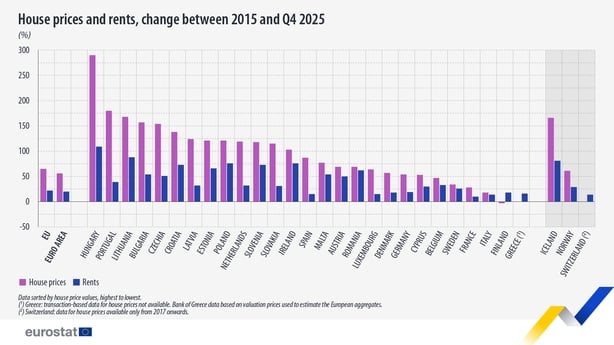
Finland was the only country where house prices decreased since 2015 (by 3%), according to Eurostat's data, while 12 out of 27 member states saw house prices doubling.
Chronic undersupply of new homes and the influx of foreign buyers attracted by the country’s sunny weather are among some of the reasons for Portugal’s 180% jump in house prices in the last ten years.
The quality of some dwellings is also a concern, as 130,000 families live in "inadequate housing", mostly concentrated in the main cities and the Algarve.
It is important to note that some of the sharpest rises can also be attributed to inflation, but real-house prices have also increased.
According to the 2025 paper called "Housing in the European Union", prepared for the European Commission, in real terms (or when compared with consumer goods and services), house prices in the EU grew 25% on average between 2014 and 2024.
Real house prices increased the most (above 50%) in Hungary, Portugal, Lithuania, Slovenia, Czechia and Ireland.
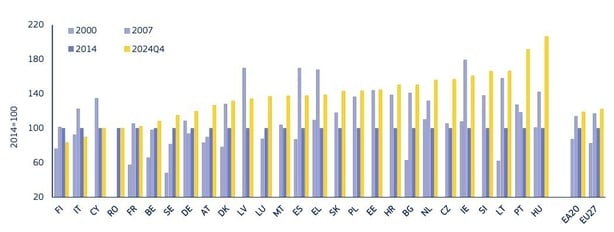
Rents saw slower inflation than house prices – between 2015 and the third quarter of 2025 they went by up 21.8% across the EU, according to Eurostat's data published this week.
Year-on-year, rents went up 3.2% in the last quarter of last year.
The slowest pace of rent growth was recorded in France, Spain and Luxembourg, while Finland saw a slight decrease.
However, Ireland was well above the EU average - rents here have increased by 76% in the last decade, putting it in the third highest rate of inflation along with Poland, following Hungary and Lithuania.
Pan-European crisis
While each national market has its own dynamics, the cost of housing and limited supply is now recognised as widespread across the bloc by the EU leaders.
House prices in the EU have risen faster than incomes over the past decade and have reduced purchase affordability, according to the European Commission report.
A flurry of reasons, accumulating over the years, have contributed to the crisis.
Increasing urbanisation and migration, and a prolonged period of cheap mortgages drove demand, while supply fell behind in many states. Overall rental stock also shrunk due to the boom in short-term rentals.
"On the supply side, new construction has lagged behind demand due to regulatory barriers, sector inefficiencies, and labour shortages, with renovation often prioritised over building," the housing report said.
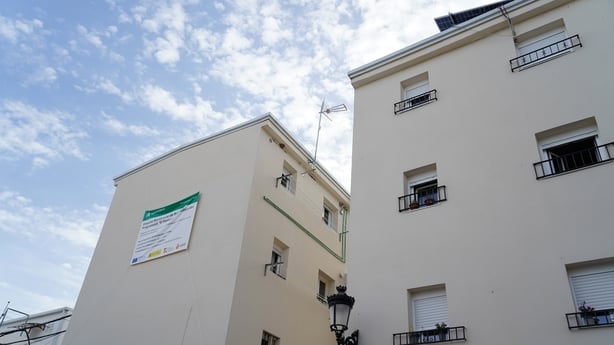
In a downbeat assessment of the European housing situation, president of Housing Europe Marco Corradi called the crisis "structural and systemic" with a power to potentially affect the public’s trust in institutions and threaten "the attractiveness and competitiveness of our cities and regions."
In its 2025 review of the state of housing in the EU, Housing Europe (the federation representing public, cooperative and social housing groups) noted that several EU countries have "massive overall unmet needs": France requires 518,000 homes annually, Germany at least 400,000, the Netherlands nearly 1 million by 2031, and Sweden over 500,000 by 2033.
That resulted in a particularly acute crisis for younger people across the EU, with roughly a third of 24-35-year-olds in full employment still living in their parental homes.
That figure was as high as 40% in Ireland in 2022.
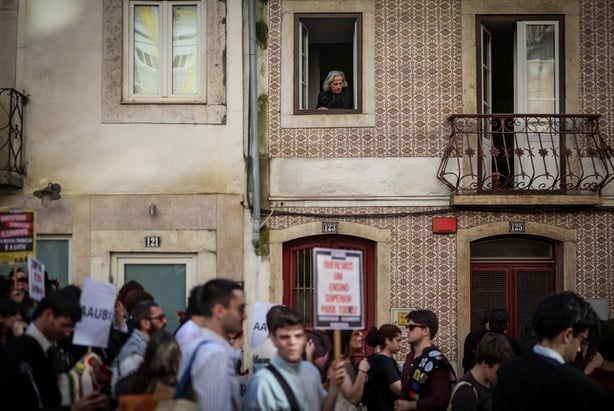
Moreover, 20% of housing in Europe remains unoccupied.
Amid mounting pressure, the European Union introduced its first-ever housing policy – the Affordable Housing Plan, approved by the European Parliament last month.
The roadmap outlines the need to boost new builds and renovations, mobilise more public and private investment, reduce administrative burdens, and tame the rise of short-term rentals.
Whether Brussels has enough resources and power to put the ambitious plan into action, remains to be seen.
With one of the fastest-growing populations in the EU, lagging supply and high construction costs, Ireland sits at the sharpest edge of the European housing crisis.
Last year saw 36,000 homes built, but the Central Bank has suggested 52,000 new homes need to be built annually over 25 years to catch up with the demand.