


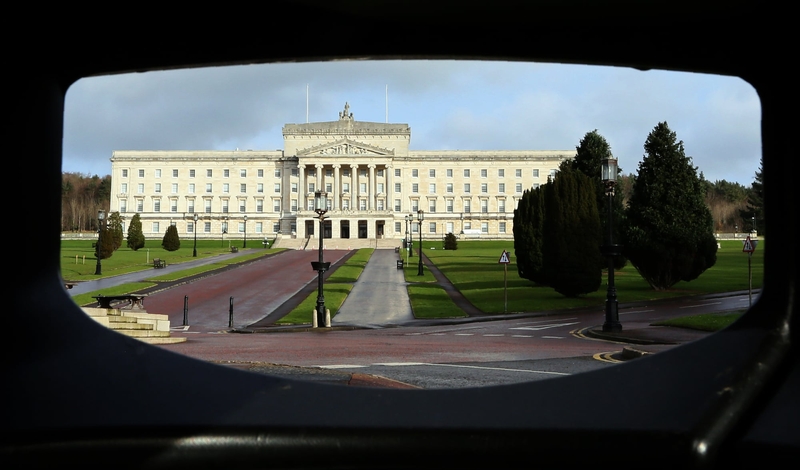
Thursday will reveal whether the electorate is angry or apathetic as voters go to the polls in what many believe is a needless election. Will the DUP drop below 30 seats? How many MLAs will Sinn Féin return under the new leadership of Michelle O'Neill?
Here are five things to watch in the Assembly elections:
What will the impact of the RHI controversy be on the DUP vote?
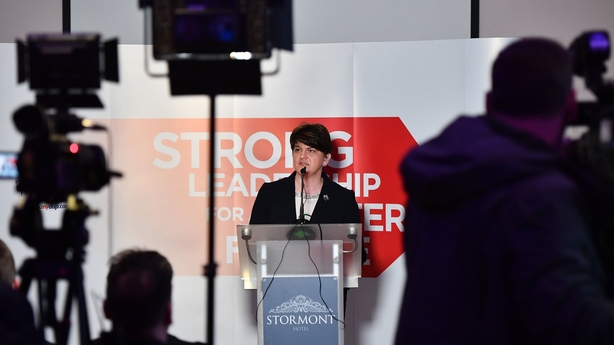
The absence of cost controls on the scheme known as the Renewable Heating Incentive could cost the Northern Executive in excess of £450 million over the next two decades.
DUP former first minister Arlene Foster and former party minister Jonathan Bell, who is now an Independent candidate, were among the key personnel involved in the scheme and thus are seen as shouldering some of the blame for the cost overruns.
Against the backdrop of austerity measures, lengthy waiting lists in the health sector and the economic threat of Brexit, there is anger at the DUP's ham-fisted management or mismanagement of the scheme.
How angry people are and how this impacts on the party will be closely scrutinised as results emerge.
While all parties are expected to drop seats due to the reduction of available seats from 108 to 90, the RHI is seen as the Achilles heel for the DUP.
Should the party drop below 30 seats, serious questions will be asked of Arlene Foster.
If the electoral damage is limited, then the party could yet retain 32-35 seats thus ensuring it remains the largest party with a bit to spare.
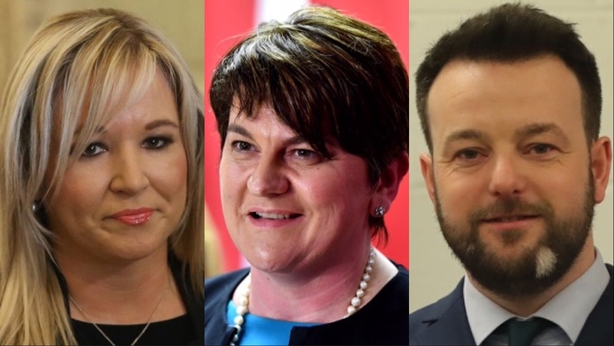
How will Michelle O'Neill fare as the new Sinn Féin leader in Northern Ireland?
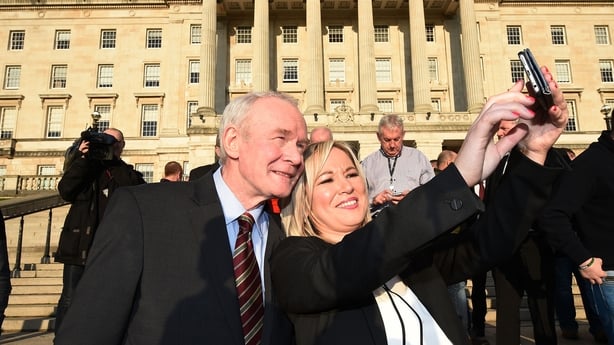
All parties are expecting to lose seats but Sinn Féin eyes will be focused just as much on its percentage vote as it is on how many MLAs are returned.
The party will expect to prosper from anger at RHI, its stance on Brexit and the profile of new leader Michelle O'Neill.
Having performed well in securing the position and maintained a hardline negotiation stance to date with regard to any possible return of the institutions, the leadership qualities and resolves of Ms O'Neill will be severely tested in the days and weeks ahead.
It's not about gaining, it's about minimising losses
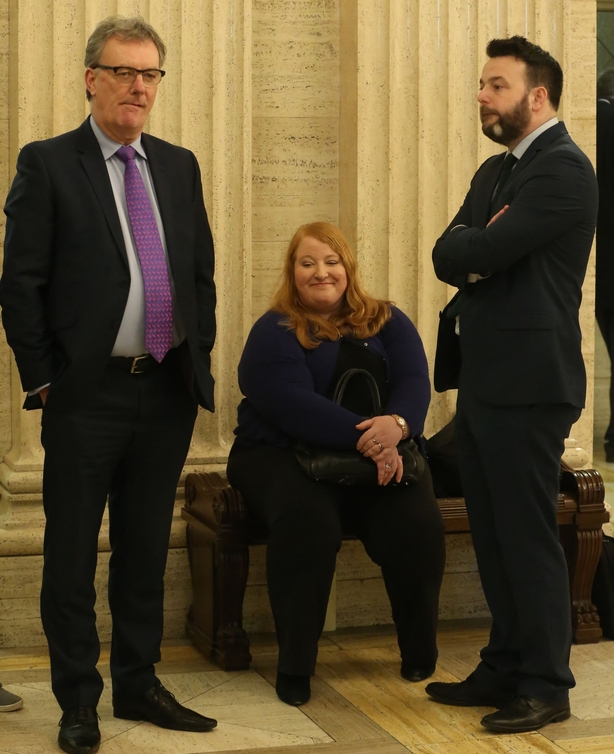
If, as expected, the Northern electorate break three different ways in the polling booth, then three blocks in or around 30 seats each will emerge.
The DUP expects to take 31-33 seats and Sinn Féin has an expectation of 25-28, thus leaving another block of approximately 30 seats.
How and where these seats break down will be crucial for several party leaders.
Mike Nesbitt went against the wishes of many within his party by encouraging unionist voters in some cases to transfer to the SDLP.
Colum Eastwood needs to ensure the SDLP vote holds in key constituencies such as Foyle, South Down, South and North Belfast.
Naomi Long must hope the Alliance can hold its ground while the Green Party and People Before Profit seek to preserve their seats and grow their vote.
Much soul searching will follow if any or all slip further behind the DUP/Sinn Féin blocs.
Voter apathy or voter anger?
The consensus across both communities is that this is a needless election.
Everything from DUP incompetence on the RHI scheme, a long game strategy for a border poll for republicans, to petty actions in cancelling a grant for students going to the Gaeltacht has been blamed for triggering the election.
However Thursday will mark the test as to whether the electorate is angry or apathetic.
If unionists are so cross about the RHI financial waste, will they vent that anger at the DUP or mutter quietly while still expressing a DUP preference.
Are nationalists sufficiently enraged to actually reverse the trend of a falling nationalist vote overall in recent elections?
In many constituencies, the final seats will see nationalists battle it out - turnout and transfers are as significant if not more significant that in recent times.
And then there is Brexit. Nobody can deny it is an issue that concerns many and causes worry for more but will that see a rise in the anti-Brexit sentiment?
Protests are one thing, polling preferences are another.
Watch for the tone
Election campaigns by their very nature are divisive regardless of jurisdiction.
Northern Ireland elections normally carry the word bitter in the same sentence as divisive and 2017 has been true to form.
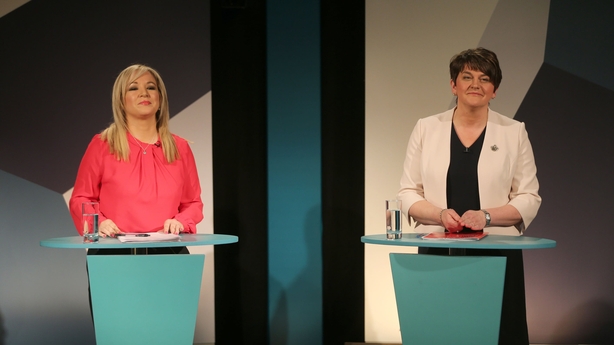
Crocodiles and alligators aside, the animosity between Arlene Foster and Michelle O'Neill, between the DUP "contempt and corruption" as alleged by republicans and the "hidden agenda to further republican goals" as alleged by unionists is never far from the surface.
The bogeyman of Martin McGuinness as first minister has given way to the bogeyman agenda of Gerry Adams in the well-rehearsed lines emanating from the DUP.
Come close of business on Thursday night however, all parties know the clock is ticking on the window to get Stormont up and running again before cold storage and direct rule become the norm.
Some of the electorate will watch for the respective leaders to go in with their studs up on the other side.
Others fearful of Brexit, direct rule and more will look for the nuances in tone.
We will know soon whether all sides are real about forming an administration among the few to work for the benefit of the many.
