
"You can't be a coming team forever - at some point you have to arrive."
So read The Irish Times last Saturday when looking ahead to Cork's prospects of winning the All-Ireland hurling title.
But Malachy Clerkin's assessment could easily have applied to Sinn Féin as the party heads into its Ard Fheis and a potentially critical election period.
Like the Rebels, Mary Lou McDonald's party has long been tipped for the number one spot.
After the 2020 General Election - when Sinn Féin won 37 seats and should have secured at least ten more - if it had ran enough candidates - a spell in Government seemed imminent.
Opinion polls two years later put the party at 37% of the vote - bringing its dream of leading a left-wing coalition - or even being able to form a single-party government - within touching distance.
But that dream is still waiting to arrive.
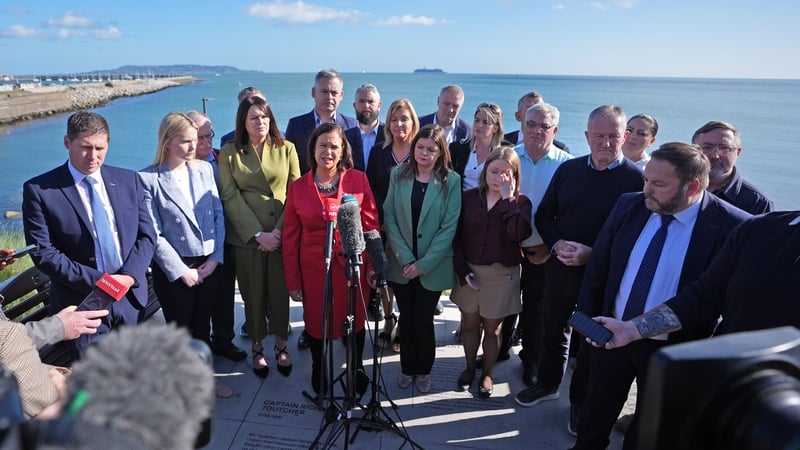
The party faithful gathering in Belfast this weekend will be hoping to build momentum to convince the electorate how that dream can still become a reality ahead of two potentially pivotal bye-elections next month.
Sinn Féin garnered 19% of the vote in the 2024 General Election, losing votes in every part of the country.
In Dublin and the rest of Leinster, its share dropped by over 7%.
Senior party figures are keen to portray that vote in a positive light, arguing how the party marginally grew its Dáil base while recovering from a disastrous local election showing a few months before.
Since then, Sinn Féin has worked to consolidate its share of the vote while strengthening its structures in several constituencies, including identifying candidates for the next local elections.
It has also used the Seanad elections to build towards the next general election in areas where it has no TD, with the likes Maria McCormack in Laois and Nicole Ryan in Cork North West securing seats.
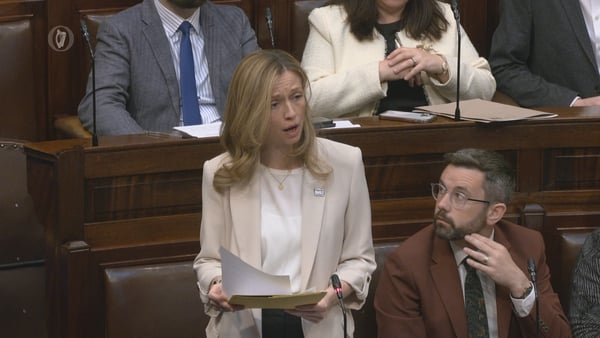
In the Dáil, the party has sought to build support by consistently highlighting cost-of-living issues and portraying itself as the only alternative to the Fianna Fáil and Fine Gael administration.
Consistent critiques on the housing crisis have also secured substantial support among younger voters.
This has seen its backing rise to 26% in the most recent Irish Times B&A opinion poll - better than 2024 but still off the party's high poll watermark of 2022.
The challenge facing Mary Lou McDonald this weekend is whether she can grow the Sinn Féin's support beyond that to finally move closer to Government Buildings or whether it has hit a ceiling and is about to plateau.
The party is operating in a more crowded opposition space than 2020, or indeed 2022, with both the Social Democtats and Independent Ireland challenging from different sides.
While the cost of living is the number one issue for voters - according to polls - as it was in 2022; Sinn Féin has been unable to capitalise to the same extent, owing to the increased competition.
The party was well-received at many fuel price protests but also faced criticism from some of its competitors for not condemning the blockades of ports, depots and the country's only refinery.
Some spokespeople endured awkward media outings.
Sinn Féin TDs are optimistic their approach to the fuel crisis will see an upswing in support but that optimism will be put to the test in next month's bye-elections in Dublin Central and Galway West.
While the party topped the poll in both constituencies in the last general election, it will still have to fight hard to win either contest.
A defeat in Dublin Central in particular - the home of Mary Lou McDonald - would raise concerns about the party's capability to significantly gain at the next general election, with the constituency high on a list of around ten where the party must target a second seat if its to enter government.
Adding to the challenges heading into this weekend's Ard Fheis is a recent LucidTalk opinion poll putting the party at its lowest level of support at Stormont in five years, coming ahead of assembly elections in 2027.
Minister for Finance John O'Dowd dismissed the poll's significance when pressed by the BBC's Mark Carruthers last weekend, but its timing is still far from ideal.
Sinn Féin will look to this weekend's Ard Fheis to provide impetus to tackle its immediate electoral challenges, as well as putting it on a trajectory again where a spell in government seems inevitable, as it was in 2022.
Like the Cork hurlers last weekend, Mary Lou McDonald will try to strike a winning note tomorrow night in her leaders' address.
Both still hope their time is finally about to arrive.