
If there was an image to sum up the Government's Spring economic forecast, it might be Gene Kelly Singin' in the Rain in the 1952 film of the same name.
Yes, the downpour is here, and it could yet intensify with inflation possibly hitting 4.6% by the end of the year.
The winter could get very tough indeed and it is all because of the energy price shock triggered by the war in Iran.
Yet the economists at the Department of Finance are predicting a surplus of more than €9 billion this year.
This is due to larger corporation tax receipts; more cash in the social insurance fund, and less spending by local authorities.
The figure has immediately heightened calls on the Government to do more to help people with the cost of living.
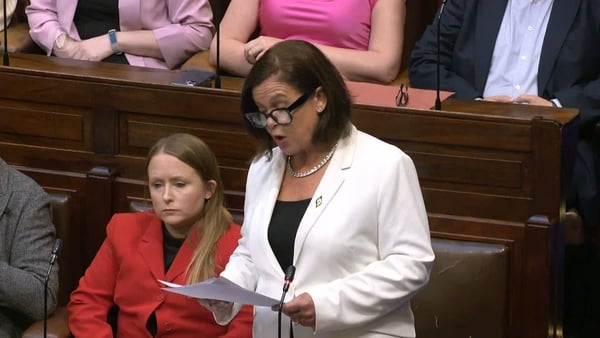
"It is as though there are two different realities in this country. One in your forecast of growth, of surpluses, and another at kitchen tables across the land - cold homes, mounting bills, and real fear," was how Sinn Féin leader Mary Lou McDonald viewed the latest economic update.
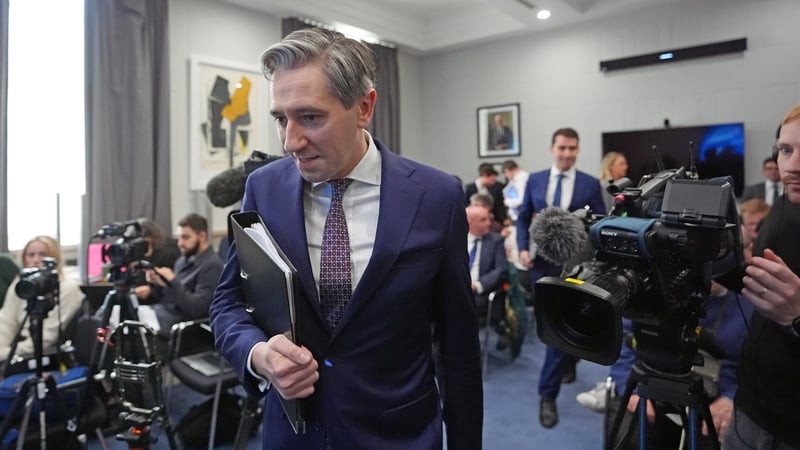
Already the Tánaiste has said it would be foolish to rule out the return of energy credits, and he is committed to a personal taxation package in the Budget.
And there appears to be a desire in Government to wait until October before taking any further action on energy supports.
The Taoiseach told the Dáil the Government would keep things under review, but it was now looking at permanent ways of easing pressure on families, and this will take time to finalise.
The Government remains committed to a strategy to address the risks of potentially fleeting high tax receipts.
Central to that is the running of surpluses and the regular transfer of substantial resources to long-term savings funds.
These funds should have around €24 billion in reserves by the end of this year.
If that trend continues, it might leave less scope for major cost of living measures to cushion people from the possible hard winter ahead.