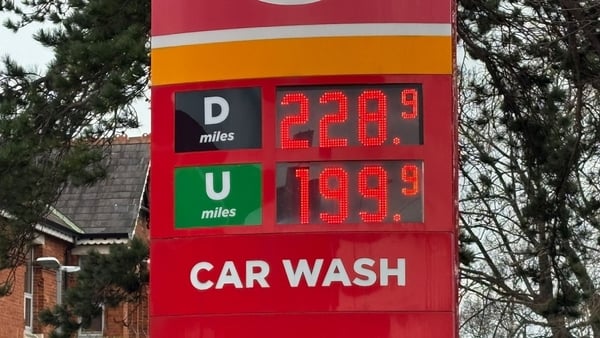

The country is edging closer to an energy supply shock that will hit the economy.
The only way this will be avoided is if the war in Iran ends very soon.
That seems to be the message coming from the Government as the prospect of further support measures loom into view.
No one who sits around the Cabinet table is openly speculating about what such a shock would look like.
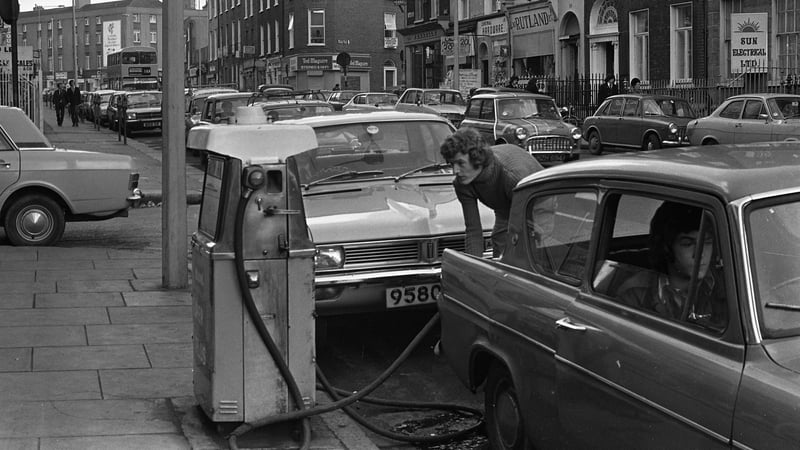
Although the fuel crisis of the 1970s has been referenced.
That saw price rises across the board, speed limits being tightened and even car-free Sundays.
The Government's appeal to use energy sparingly this time around is being finalised.
However, there are no plans for the Taoiseach to make a national address on the issue.
So, not quite panic stations yet.
When asked if the Government was thinking about rationing energy, Minister for Transport Darragh O'Brien answered: "We are not in that space right now".
As things stand, there is no intervention by the coalition on the agenda, and a spokesperson said nothing was imminent.
However, the Taoiseach, Tánaiste and Transport Minister are in daily contact as the crisis begins to bite.
Many in Government feel that it is only a matter of time before more financial support for businesses and households will have to be introduced.
Such has been the damage to energy facilities in the Gulf region, this aid may be required even if there is a swift cessation to the war.
There is an expectation that the European Union will announce measures soon to bolster its energy reserves, along with the outline of a common approach to cope with energy shortages.
For the moment, there is a fully stocked oil reserve here which might offer some reassurance.
Then again, a Government speaking about having adequate reserves for the months ahead evokes grim memories.
Does it have echoes of the bleak winter of 2010 when those in power clung to the apparent certainty that the country was "fully funded" for months to come?
Hopefully not.