
It is 36 years since the late journalist Robert Fisk published his bestselling book 'Pity the Nation', which recounted the horror and hell which Lebanon went through during its long-running and bloody civil war from 1975 to 1990.
It is a country which is once again being ravaged by war after rocket attacks by Hezbollah on northern Israel precipitated a retaliatory onslaught.
Hezbollah launched the strikes after Israel joined the United States in bombing Iran - the country which provides it with both financial and logistical support.
Since 2 March, the Israel Defence Forces (IDF) has bombed the south and east of Lebanon as well as targeting the capital, Beirut.
According to the Reuters news agency, more than 800,000 Lebanese people have had to flee their homes in the past week and an estimated 600 people have been killed - including dozens of children.
The security situation in Lebanon is set to worsen.
Today, the IDF ordered residents living in southern Lebanon to move 40km away from its border - a move which involves crossing the Zahrani river.
Their demand will result in the IDF zone of control extending to roughly 12% of the country - and will inevitably increase the displacement of people.
#عاجل ‼️ انذار عاجل إلى سكان جنوب لبنان
— افيخاي ادرعي (@AvichayAdraee) March 12, 2026
🔸إنّ نشاط حزب الله الإرهابي يُجبر جيش الدفاع على العمل ضده بقوة لا سيما في مناطقكم. جيش الدفاع لا ينوي المساس بكم.
🔴حرصًا على سلامتكم، نتوجّه إلى جميع السكان الموجودين جنوب نهر الزهراني - عليكم إخلاء منازلكم فورًا🔴
🔸كل من يتواجد… pic.twitter.com/W7vedTLPVs
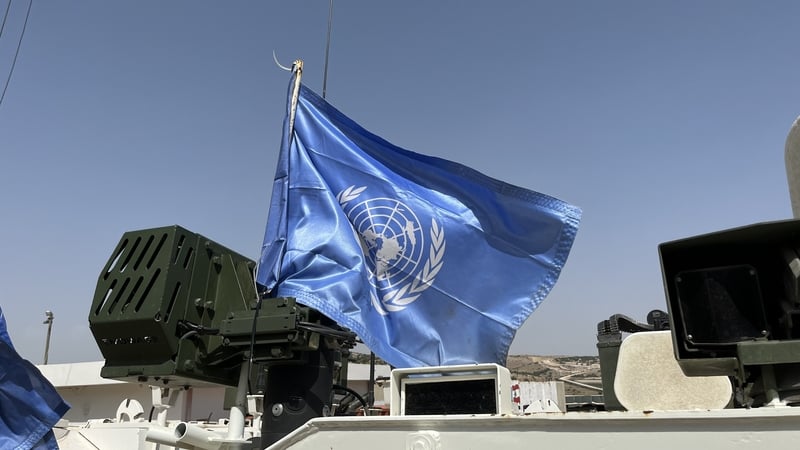
The ongoing clashes between Hezbollah and the IDF has resulted in the Irish peacekeepers who are participating in the UN Interim Force In Lebanon (UNIFIL) remaining in their bunkers rather than conducting their mandated patrols.
Between the years 1978 and 2000, Israel occupied much of southern Lebanon, with the assistance of a local militia, the South Lebanon Army, which it had created.
It now appears that the IDF are planning to create a new buffer zone, the dimensions of which are yet unclear, with the stated aim of making it more difficult for Hezbollah to target northern Israel.
However, any IDF occupation of Lebanon is guaranteed to trigger armed resistance from Hezbollah and other militias such as Amal.
The two groups draw support from the majority Shia population in southern Lebanon and maintain both political and military wings.
French President Emmanuel Macron has been trying to kindle some peace talks.
Sources suggest that this could happen in Cyprus but Lebanon is demanding a cessation before there can be negotiation, whereas Israel said that its targeting of Hezbollah cannot be stopped.
And so Lebanon continues to be roiled by a conflict which is expanding and intensifying.
UN peacekeepers are in the thick of it, more than 300 of whom come from Ireland.
But UNIFIL's mandate ends at the end of this year and all international troops are scheduled to be withdrawn by the end of 2027.
Expect some chatter about the possibility of extending that timeline but it is unlikely to become a reality given outright opposition of the United States to UNIFIL.
Who would not pity the plight now of the more than five million Lebanese people?
This latest war has led to political crisis and recrimination, with Lebanese President Joseph Aoun accusing Hezbollah of endangering the "collapse" of the state.
In the short-term, the Lebanese people face more instability, more war, more displacement, and more death.
Read more:
Live: Updates as they happen
How will the Iran war affect the cost of your supermarket shop?
Up to 3.2m people in Iran displaced by war, UN says, as tankers burn in Iraqi waters