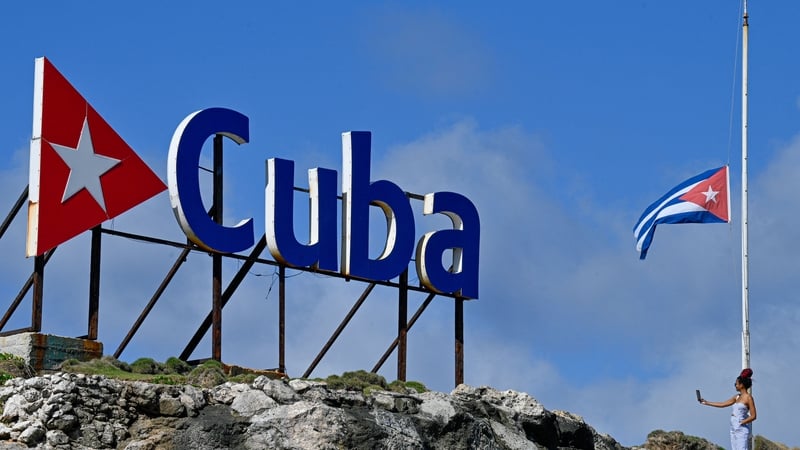
Ireland has joined several other nations, including the UK and Canada, in advising its citizens to avoid travelling to the Caribbean island of Cuba unless absolutely necessary.
The warnings - which were updated in recent days - come amid a deepening economic crisis in the country, as the Trump Administration ramps up pressure on its communist leadership.
According to the Department of Foreign Affairs and Trade, Cuba is now under the second highest level of warning - meaning travelling to the country is likely to present "a clear and present danger to your health or safety".
The change reflects "the increasingly serious economic and humanitarian situation on the island," pointing to shortages of "food, fuel, electricity, and very limited access to medical care".
Last month, the United States cut off oil deliveries to Cuba from its key ally - and main fuel supplier - Venezuela, after its leader Nicolas Maduro was ousted. Weeks later, Donald Trump further threatened tariffs on any other nation sending fuel to Cuba, effectively enforcing an oil blockade.
The result, according to analysts, is that Cuba's population of around ten million is now facing one of its worst humanitarian crises in decades.
UN 'extremely worried'
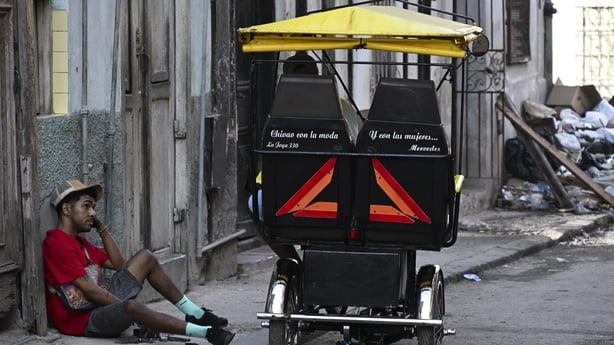
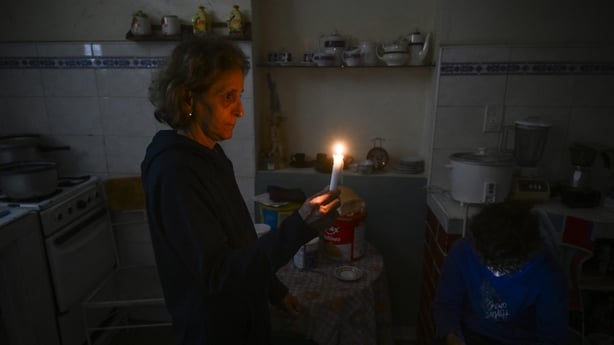
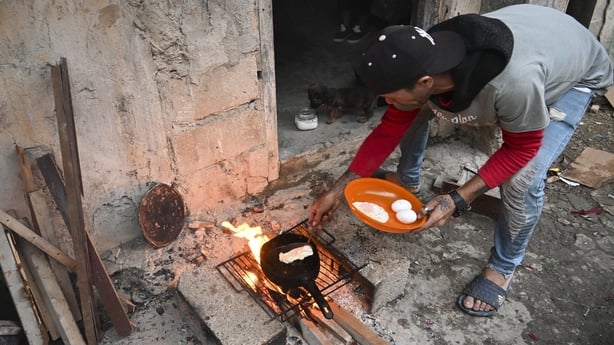
According to the United Nations, the fuel crisis has put the "availability of essential services at risk nationwide", including the delivery of care in hospitals, access to adequate food supplies and basic communication networks.
Blackouts, already a feature of life in Cuba, have become far more acute - sometimes lasting for days. Residents report long queues for basic goods, with many standing in line from before dawn.
We need your consent to load this rte-player contentWe use rte-player to manage extra content that can set cookies on your device and collect data about your activity. Please review their details and accept them to load the content.Manage Preferences
"This is having an increasingly severe impact on the human rights of people in Cuba," said Marta Hurtado, the Spokesperson for the UN High Commissioner for Human Rights.
"In Cuba, more than 80% of water pumping equipment depends on electricity, and power cuts are undermining access to safe water, sanitation, and hygiene … with the most vulnerable groups being disproportionately impacted.
"We are extremely worried about Cuba’s deepening socio-economic crisis."
Long-standing tensions
While recent events mark a sharp escalation in tensions between the US and Cuba, relations have long been fraught.
Since the early 1960s, the US has targeted Cuba through various economic measures, after communist Fidel Castro overthrew a US-backed government.
Today, the United States characterises Cuba as an "unusual and extraordinary threat" to the national security of the US, and accuses the country of supporting "transnational terrorist groups".
The Cuban government has rejected those claims, calling for "constructive engagement, lawful cooperation, and peaceful coexistence."
Cuba's Deputy Minister of Foreign Affairs Carlos de Cossio described the fuel embargo as the "equivalent to war", adding that "massive (collective) punishment is a crime".
International efforts to ease sanctions
International diplomatic efforts to ease the long-standing sanctions on Cuba have yet to yield a significant policy shift from the US.
Ireland is among dozens of countries to have voted for UN resolutions calling for an end to the embargo, most recently last October at the UN General Assembly.
Read more: Trump says US-Cuba deal in works with 'highest people' after blockade threat
According to a spokesperson for the Department of Foreign Affairs and Trade, Ireland's position remains the same.
"We, alongside our EU colleagues, have long considered that it serves no constructive purpose and it has resulted in significant negative impacts for the Cuban people, over many years."
In a statement, the DFA also reasserted its call for "democratisation and political transition in Cuba".
"The Cuban government imposes severe restrictions on the basic human rights of its people, including freedom of speech, and freedom of assembly."
Tourism blow
Ireland does not have an embassy or consulate in Cuba. However, the DFA said it is in "ongoing contact with the very small number of Irish citizens living there" through the Irish Embassy in Mexico.
It is currently unclear how many Irish tourists, if any, are currently on holiday in Cuba.
While it was once a popular Caribbean holiday destination for Irish travellers, the number of people now making the journey is "very low", according to Clare Dunne, Chief Executive of the Irish Travel Agents Association.
"This is down to mainly two reasons - there are no direct flights to Cuba from Ireland. And secondly, travellers who travel to Cuba are not then eligible to apply for ESTA to visit the USA and must instead apply to the US Embassy for an entry visa (since 2021)," she said.
Some airlines, including Air Canada, announced last week that they would stop flying to the island due to a lack of guaranteed fuel supply.
For a nation heavily reliant on tourism, the fuel shortage marks a significant blow to an economy already facing deep stagnation.