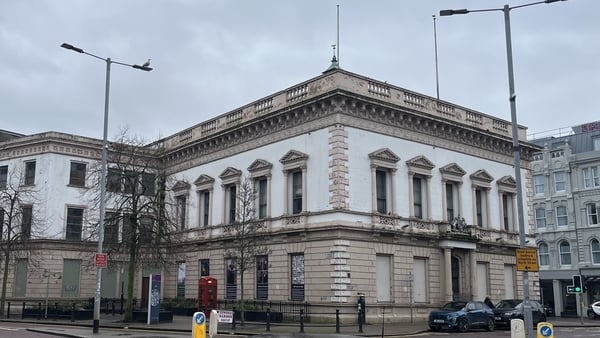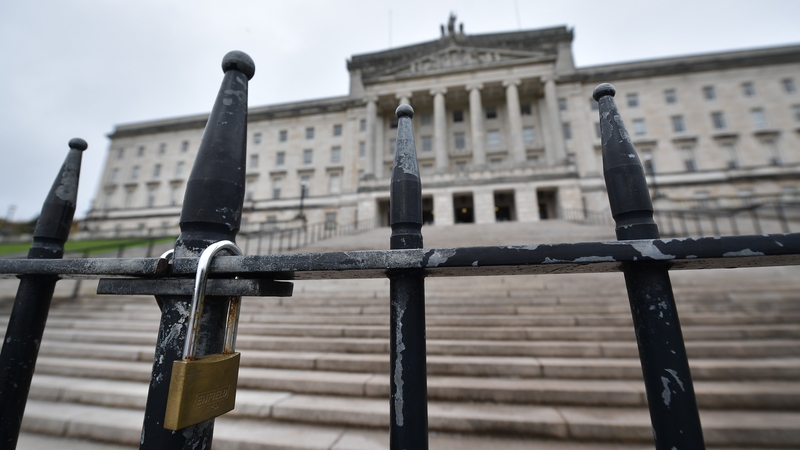

In advance of the details being published this was already being described by many as a 'punishment' budget.
Critics of the British government accuse it of cutting Stormont's purse strings as part of a campaign to force the DUP back into power-sharing; a big financial stick to beat it with.
Grim, devastating, brutal and punishing were words used by Stormont politicians who met Northern Secretary Chris Heaton-Harris this afternoon to discuss the budget details.
Taking inflation into account, they said the budget amounts to a 10% cut and also point out that it does not contain any provision for pay awards to public sector workers, which means any future pay deals would have to be funded from this pot.
The message from the British government to Stormont’s politicians is clear: if you don’t like it, get back into government and agree on spending priorities and there may be some additional money as a 'reward'.
In reality, the message is directed at the DUP as it is the party blocking a restoration of power-sharing.
The expectation is that if the DUP agrees to go back into power-sharing the British government will, as it has done several times before, find a large pot of money as a sweetener, something the DUP would then attempt to sell as a win.
The British government will hope that the prospect of being blamed for savage cuts to public services might provide an incentive for key decision-makers within the DUP to find a road back to Stormont.
The current Head of the Northern Ireland Civil Service Jane Brady yesterday warned of "unprecedented" and "enduring harm" to public service delivery, society and the economy.
There is also another message.
Many within the DUP have spoken recently of their voters "falling out of love" with devolution, and it’s known that some in the party would be happy to see direct rule from Westminster as, in their eyes, that would cement Northern Ireland’s constitutional position within the UK.
This budget will be viewed by many as the British government sending a very firm message back loud and clear: this is what direct rule would look like, so be careful what you wish for.
But the DUP is a party with a long history of saying 'No' and it might suit it at this time to portray itself as a party under siege from "enemies of the Union" trying to force it to back down on its opposition to post-Brexit trading arrangements, which it insists weakens that Union.
With council elections in Northern Ireland on 18 May, the party has a simple calculation about what potentially will lose it most votes: backing down from its campaign against the Windsor Framework that replaced the Northern Ireland Protocol and going back into power-sharing, or standing firm and potentially facing flak on the doorsteps for cuts to services?