



The World Health Organization has urged governments to do more to control the sale of nicotine pouches, warning that the highly addictive products were being "aggressively marketed" in ways that particularly appealed to younger people.
Pouches, which users insert under their lip to get a nicotine buzz, have rapidly become one of the most important products for big tobacco companies looking to offset the decline in smoking.
But campaigners and researchers have criticised their marketing tactics.
The WHO said that governments needed to introduce more safeguards to protect people, especially youth, from addiction.
Some products have high concentrations of highly addictive nicotine, and technology to increase the speed and intensity of the drug's delivery or target young people via flavours and packaging, it added.
"These products are engineered for addiction," said Etienne Krug, director of the WHO's Department of Health Determinants, Promotion and Prevention at the WHO.
The UN health agency pointed to heavy promotion of pouches on social media and by influencers, aspirational lifestyle marketing and sponsorship of concerts, festivals and sports with large youth audiences such as Formula 1 - strategies even some who support pouches as a tool to reduce smoking-related harms say are inappropriate.
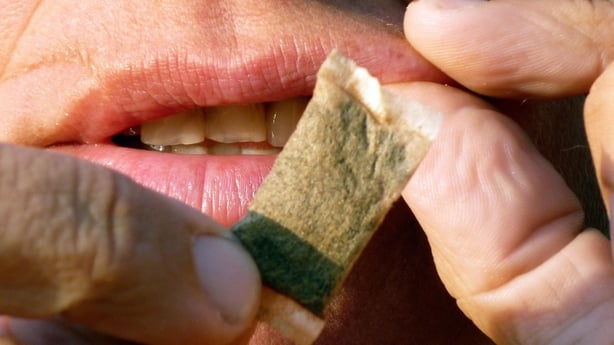
Some 160 countries have no specific regulation for pouches, the WHO said, calling for a range of controls including caps on nicotine content, advertising bans and bans or strong restrictions on flavours.
Some researchers and governments say nicotine pouches have a role to play in reducing the harms caused by tobacco, offering smokers or would-be smokers an alternative to cigarettes.
Health authorities like the US Food and Drug Administration say evidence shows they are far less harmful than tobacco and even other alternatives like vapes.
The industry says it targets adult smokers or nicotine users.
Laura Leigh Oyler, vice president of regulatory affairs at Nicokick, an online store for nicotine pouches in the United States - the world's top pouch market - said FDA data showed use by young people remained low.
"They are primarily being used by adults who already consume nicotine and are looking for lower-risk alternatives," she said.
