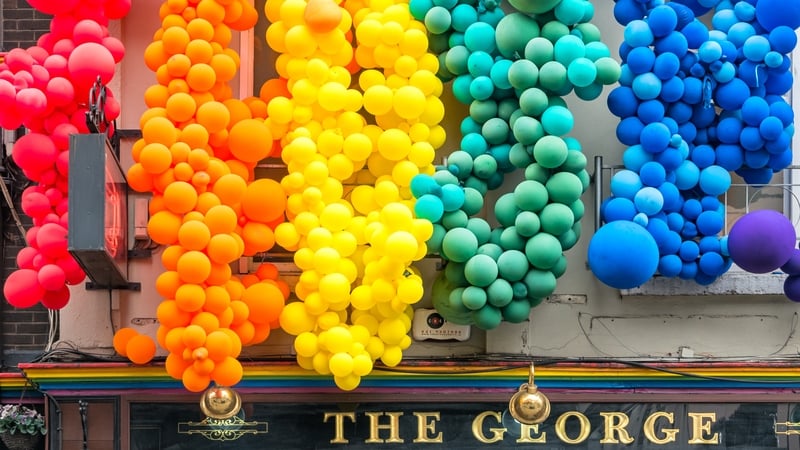
For 40 years, The George has been at the heart of Dublin's LGBTQ+ community - a place of friendship, freedom and belonging through decades of historic change.
First established in 1985, and officially opening in 1986, the South Great George's Street staple has grown through a period that spans the most significant social and legislative changes for the LGBTQ+ community in modern Irish history - having opened six years before homosexuality was decriminalised in Ireland in 1993.
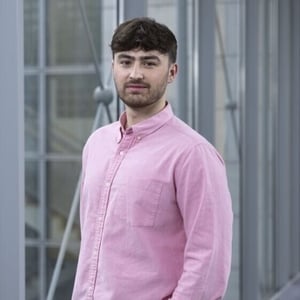
General Manager Darragh Flynn has been with the venue for 15 years. In that time, he believes The George has evolved from a hidden sanctuary to a symbol of Irish culture, while remaining a home away from home for its patrons.
"It feels very much like the home for the community. People can relax and be themselves here and enjoy themselves. Customers have come here to propose to their loved ones. People have met their partner here, their husband, their wife, and their best friends.
"They build their own memories here, their first kiss with someone that they love. I don’t think you get that with many venues. And that's what gives it its uniqueness," he added.
Among the venue's most enduring institutions is Shirley Temple Bar, who has been hosting her Sunday night bingo at The George every week since 1997.
As both a performer and a patron, she has seen The George and wider Irish culture evolve alongside one another.
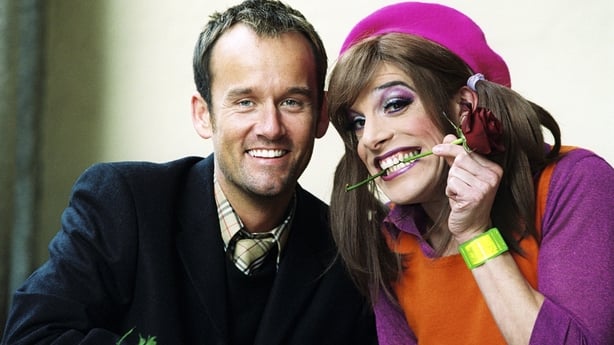
"I came here when I was a student which is a very long time ago, and let's just say it was before decriminalisation.
"I was curious and I was nervous, because this was the night the end of the 1980s, it was the height of the AIDS and HIV crisis in Ireland There was a lot of kind of homophobia and a lot of uncertainty.
"It was a dark time in Ireland for gay people.
"So, I came in here as a punter as a gay person wanting to find my tribe. And The George was a really fun place to be, but it was the kind of place that you had to sneak in and out of.
"It’s amazing to now see teenagers still come here the way I did for their first gay night out - really excited, really hopeful. And this time they’re coming along with their friends from school or whoever, because Ireland has changed in a positive way. And that’s amazing," she said.
We need your consent to load this rte-player contentWe use rte-player to manage extra content that can set cookies on your device and collect data about your activity. Please review their details and accept them to load the content.Manage Preferences
Ms Temple Bar believes the secret to the venue's enduring appeal is that it is open to everyone.
"The George has always had a really mixed bag and a really varied clientele and that I think is at the core of its popularity.
"It’s somewhere that everybody can feel at home. And most importantly you're not allowed to make anybody else feel uncomfortable.
"You can even come here by yourself and have a really fun night out because it’s really warm, it's really welcoming and it's really silly," she added.
Over its 40 year history, The George has served as a meeting place and cultural cornerstone for the LGBTQ+ community through some of the most significant moments in modern Irish history.
In 1993, homosexuality was decriminalised. In 2000, the Equal Status Act extended anti-discrimination protections to include sexual orientation. In 2015, Ireland became the first country in the world to legalise same-sex marriage by popular vote. And in 2017, Leo Varadkar became Ireland's first openly gay Taoiseach.
At 92, Robert Byrne, one of the venue’s longest standing patrons, has seen first hand The George become inextricably linked to the fight for equality.
"We were moral pariahs, but now we’re just ordinary people who have a different sexuality - normal for us, no matter what people say.
"We grew up and we got our rights. I marched for them as well. And all through the years this place has been available to us," he said.
When asked what keeps him coming back at 92, Robert didn't hesitate.
"The camaraderie. Everybody talks to everyone. I lived in London for 40 years and you had to make friends - here you have to avoid them."
George patron Anthony has been drinking at the venue for over 20 years - adding that it has been there for him during dark times.
"I got bullied through my life in school. People calling me gay, this and that. I got very down over it and it really hurt me.
"But when I came into The George, everybody just made me feel so welcome. It’s a different environment.
"It’s like my second home and family to be honest. It’s where people can basically come out of their shell and not be afraid."
Holding over 1,500 shows over almost 30 years - in that time becoming as iconic as the venue itself - Shirley Temple Bar believes The George's anniversary is both a time to reminisce and look ahead.
"When I began performing here, The George became a space where I could express myself and that expression opened lots of doors for me, you know, I got a platform, I got a television career and I got loads of opportunities to travel around the world.
"And with that this space developed alongside me. It used to be a dark little tiny little place. Now it takes up three buildings along George's Street. It's iconic on the outside, it's great fun on the inside. And at its core, everybody’s always welcome.
"I'd like to think the best memories I have at this place are the ones I can’t remember. But I'm also hoping to make many more memories, and I’m hoping people will come along and join me on that too," she added.
For manager Darragh - even after 40 years - the core aim of The George remains the same.
"To see people skipping out the door delighted is why you do it. It means everyone's work has paid off."