


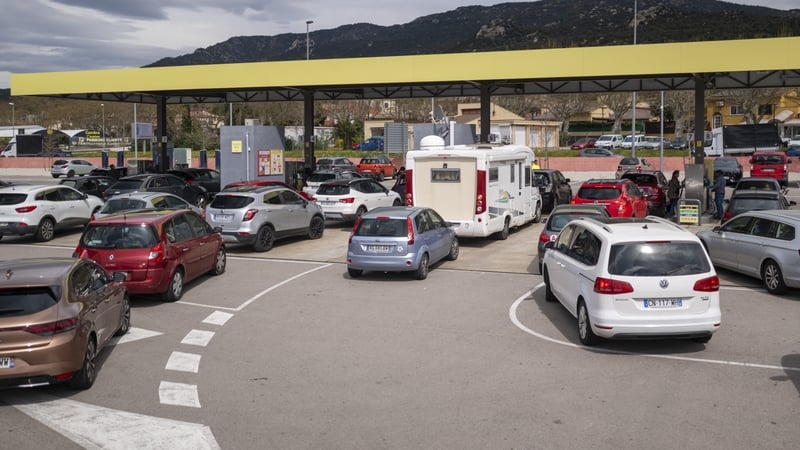
European governments' measures to alleviate the impact of high energy prices on businesses and consumers must have a clear end-date and be focused to avoid the mistakes of the energy crisis of 2022, European Economic Commissioner Valdis Dombrovskis has said.
Speaking at the International Monetary Fund, Mr Dombrovskis said any moves to ease the pain of the high prices caused by the closure of the Strait of Hormuz, as a result of the US-Israeli war on Iran, should avoid boosting demand for fossil fuels.
"One key lesson from the last energy crisis is that measures were often insufficiently targeted and remained in place for too long, making them much more fiscally costly than necessary. This is something we want to avoid now," Mr Dombrovskis said in a conversation with IMF European Department head Alfred Kammer.
He said higher debt and deficits as well as higher interest rates than during the 2022 energy crisis caused by Russia's war on Ukraine made it now more important for EU governments to avoid costly, lengthy measures to cushion energy price spikes.
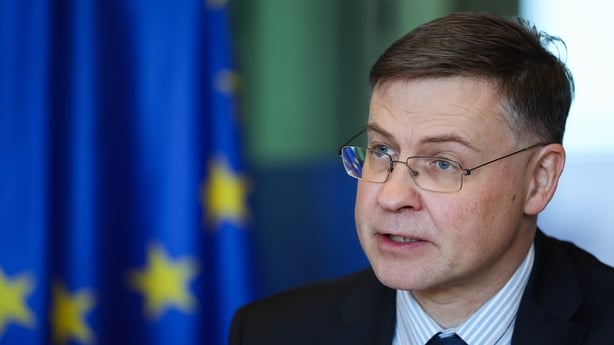
"One message we are trying to reinforce is that measures should come with clear sunset clauses to ensure they remain time-limited.
"They should also avoid increasing demand for oil and gas at a time when demand should be declining," he said.
"The problem is that broad measures, such as across-the-board tax cuts, are easier to implement politically and administratively.
"Targeted measures require defining eligibility thresholds, which takes more effort," Mr Dombrovskis said.
"Given today's tighter fiscal space and financial conditions, we need to be much more focused and targeted in our response," he added.
Some EU countries seem to be heeding some of the advice.
Germany decided on Monday on fuel price relief for consumers and businesses worth €1.6 billion for two months, while France said any support measures would be only for sectors most in need and be renewed on a monthly basis.
