


Eighteen European countries have urged Israel and Hezbollah to stop fighting as their latest conflict reached one month and with fears over Israeli plans to control part of southern Lebanon post-war.
"Israeli military operations in Lebanon and Hezbollah's attacks must cease," the foreign ministers of the countries including Ireland, Spain, Belgium, Poland and Italy said in a joint statement.
"We urge Israel to fully respect Lebanon's sovereignty and territorial integrity, and call on all parties, both Hezbollah and Israel, to halt military action," the statement said.
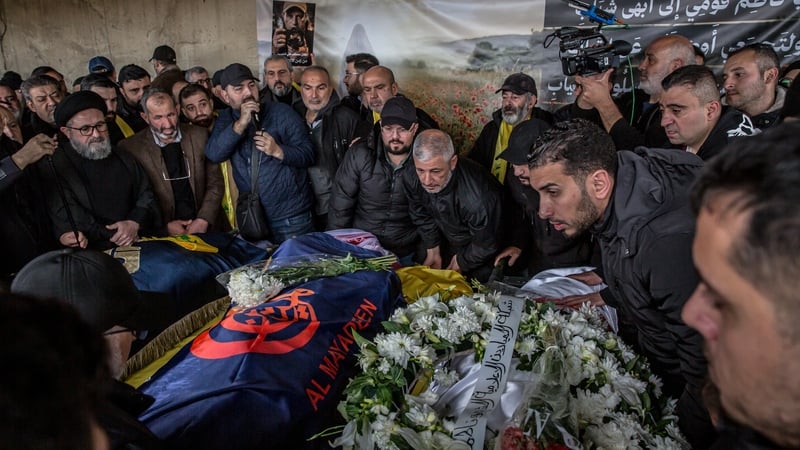
UN experts have called for an international investigation into the death of three Lebanese journalists in an Israeli strike, saying Israel had not provided "credible evidence" of their alleged links to armed groups.
The three journalists, including Ali Shoeib, a star correspondent for Al Manar channel of Hezbollah, which is at war with Israel, were killed on 28 March in an Israeli strike in southern Lebanon.
"We denounce strongly what has now become a standard, dangerous practice of Israel to target and kill journalists and then claim, without providing any credible evidence, that they were involved with armed groups," the experts said in a statement.
The Israeli army had described Mr Shoeib as a member of the Radwan force, an elite Hezbollah unit, operating "under the guise of a journalist".
According to the experts, Israel's only so-called "evidence" for its claims was a photoshopped image of the journalist.
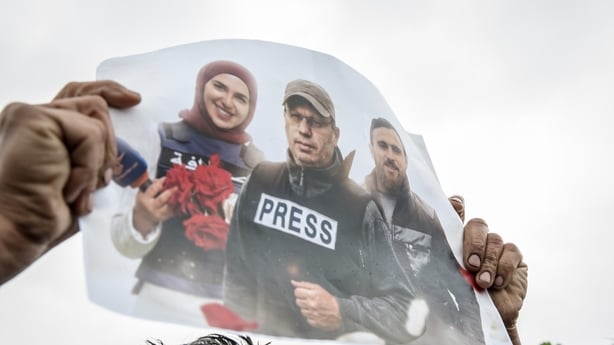
Israel also confirmed it killed journalist Fatima Ftouni of Al Mayadeen, seen as close to Hezbollah, and her brother cameraman Mohammed Ftouni, describing him as "an additional terrorist in Hezbollah's military wing".
The experts argued that working as a journalist for a media outlet linked to an armed group does not constitute direct participation in hostilities under international humanitarian law.
Minister for Defence Helen McEntee said: "The recent killing of three Indonesian peacekeepers, alongside the injury of others in separate incidents, underlines the very real and growing dangers facing those serving with the United Nations in Lebanon.
"The increased attacks on patrols and the broader escalation in hostilities are placing peacekeepers at unacceptable risk.
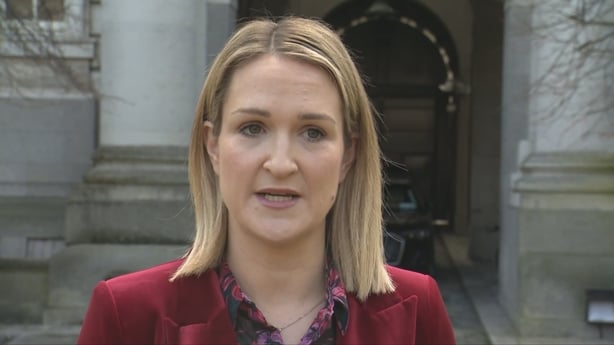
"Attacks on UNIFIL personnel are a clear violation of international law. Those who serve to maintain peace and stability must never be targeted and there must be full accountability for those responsible."
She said she joined the discussion with Ireland's European partners to "address the deteriorating security situation, to strengthen coordination between troop contributing countries and to ensure that peacekeepers are properly protected and supported to carry out their mandate".
Ms McEntee said Ireland's priority is the "safety and security of our Defence Forces personnel and all peacekeepers".
"I will continue to work closely with partners to enhance force protection, contingency planning and ensure the mission can operate effectively in an increasingly volatile environment.
"Ireland remains steadfast in its commitment to peacekeeping and to supporting stability in Lebanon," she said.
Follow live: Unrealistic to open Hormuz Strait by force, says Macron
