
The jury in the Natalie McNally murder trial has been told that it must decide whether it has enough pieces of a circumstantial jigsaw case to convict the accused.
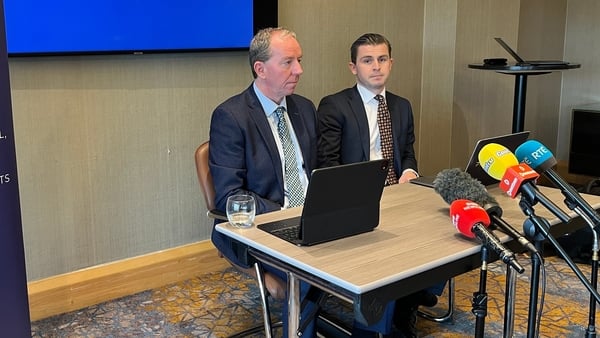
A defence barrister made the remarks as he presented closing submissions to the six men and six women who have listened to four weeks of evidence.
The prosecution made its closing remarks to the jury yesterday.
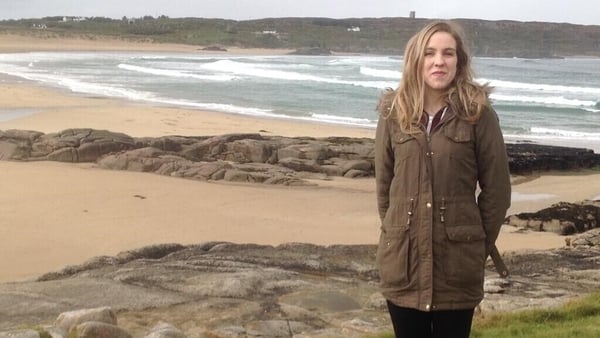
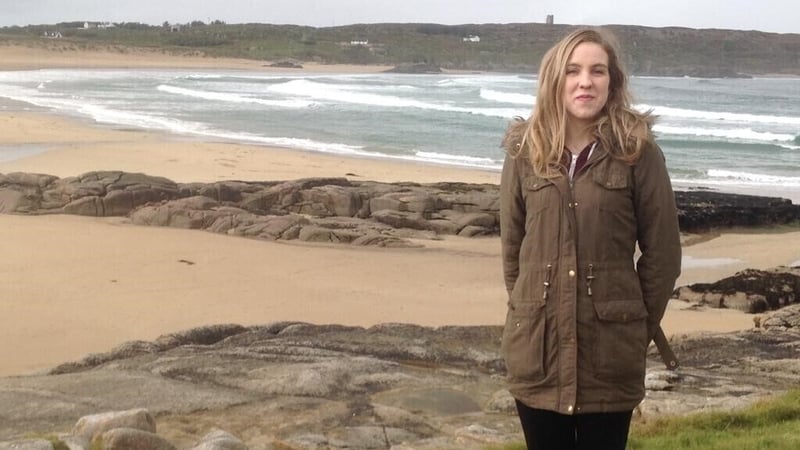
Ms McNally, 32, was found dead at her home in Lurgan, Co Armagh, in December 2022.
She had been beaten, strangled and stabbed.
She was 15 weeks pregnant.
Her boyfriend, 36-year-old Stephen McCullagh, is accused of her murder.
He denies the charge.
He was the father of Ms McNally's unborn child.
Counsel John Kearney told the jury that it must set aside any "sympathy or prejudice" and bring "surgeon-like objective scrutiny to this tragic case".
He said there were "multiple pieces of the jigsaw that point not towards the defendant but away from him to some other killer".
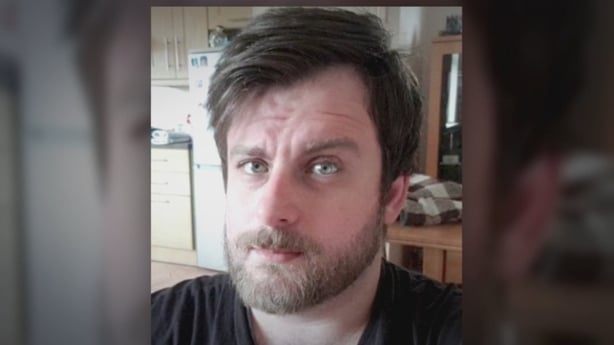
Mr Kearney said the defence case was that the actual killer was a former boyfriend of Ms McNally's.
He said there were some "inconvenient, nagging elements" of the case that did not fit with the prosecution version of the facts.
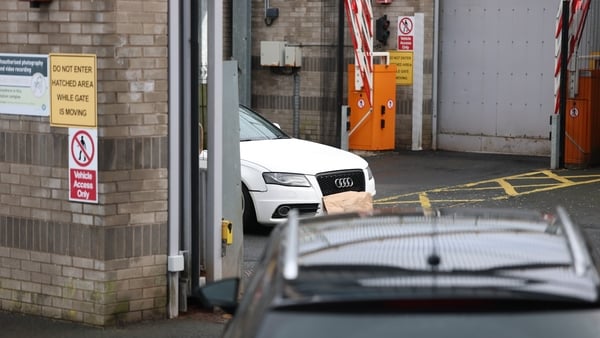
Key among these was the fact that an extensive CCTV trawl had not picked up Mr McCullagh leaving his Lisburn home on the night of the murder.
Mr Kearney also told the jury that Ms McNally's former boyfriend lived in Lisburn, close to the accused.
He described the former boyfriend as the "reasonable doubt elephant in the room".
He said Mr McCullagh did believe and continued to believe that Ms McNally's ex-boyfriend was the killer.
Mr Kearney said that having "stress tested" the evidence, if the jury was left with a reasonable doubt about the identity of the killer, then its job was to acquit the defendant.
We need your consent to load this rte-player contentWe use rte-player to manage extra content that can set cookies on your device and collect data about your activity. Please review their details and accept them to load the content.Manage Preferences