
The Government has relented.
The time for "monitoring the situation" is over it appears, and those feeling the squeeze from escalating fuel prices will soon know what the Government is planning to do.
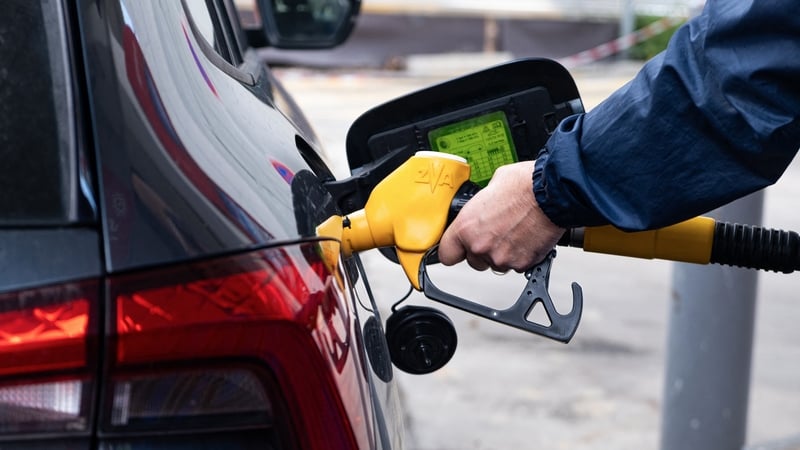
The war in Iran may only be a few weeks old but its impact on fuel prices was almost immediate. Soaring fuel station prices and the near doubling of the cost of home heating oil meant commuters and householders were hit with skyrocketing bills they hadn't planned for.
Prior to the price escalation, the cost of living and energy arrears were already being raised in Leinster House on a consistent basis by the opposition parties.
There has been relentless Opposition pressure for Government action and this evening the Tánaiste told the Dáil that "an appropriate intervention" will be agreed at the next Cabinet meeting, due on Tuesday.
The interventions will be targeted where pressure is most acute, he said.
The development comes after all the aforementioned Opposition pressure, but Government backbenchers have also been feeling the ire of the public over the last few weeks too.
A number of TDs from Fianna Fáil and Fine Gael told RTÉ tonight that the escalating costs of heating oil and vehicle fuel have resulted in angry emails, phone calls and representations to them.
TDs have been passing that up the line to the party leaders and demanding action, just like the Opposition, while sticking to the Government line about no kneejerk reactions in public.
Speculation as to what exactly the intervention will be is continuing however.
Much of the focus from Sinn Féin, the Social Democrats and others today was on reducing excise duty on fuels.
Government sources gave no confirmation that that would be the case, although it was notable in his speech earlier that the Tánaiste said rising energy and fuel costs were " weighing heavily" on householders and commuters.
And we have been there before. Following the outbreak of the war in Ukraine, time-bound excise cuts on petrol and diesel were introduced, which reduced the cost of petrol by 20c and diesel by 15c. Those cuts were gradually rescinded over the following months.
Consumers affected most by the price hikes only have one more week to wait. But another question has to be asked .... where will prices stand by next Tuesday?