
A body representing science teachers here has called for an immediate pause to be placed on the assessment components of new senior cycle curricula introduced this year for 5th year students of biology, physics and chemistry.
Publishing a report which raises a number of concerns around the new Additional Assessment Components (AACs) in the science subjects, the Irish Science Teachers' Association said while its members supported inquiry-based learning they cannot back what they have called a "flawed, high-stakes model imposed without piloting or supports".
The report, commissioned by ISTA and carried out by a UK based academic, draws on the results of an online questionnaire distributed to post primary schools by ISTA late last year.
351 schools filled out the survey, which is a response rate of 48%.
In an analysis of the data gathered in the questionnaire Professor Mike Watts of Brunel University London concluded that the AACs contain risks to student safety as well as teacher well-being. His report also raises concerns around the use of AI and the integrity of the examination system.
New Leaving Certificate subject specifications were introduced last September in a number of subjects including biology, chemistry and physics.
In each new subject, 40% of final marks are allocated to practical research carried out during 6th year by the student. These projects are known as Additional Assessment Components or AACs.
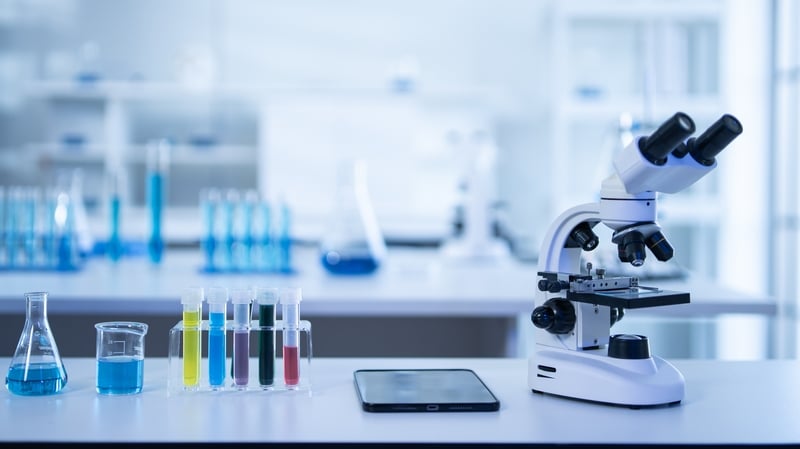
The questionnaire asked science teachers about school laboratory facilities and levels of safety preparedness among other issues. The report based on this data found systemic shortfalls in laboratory infrastructure, equipment, storage, funding and teacher preparedness.
It has recommended that the AAC model be piloted first to evaluate feasibility, safety, workload implications, as well as equity considerations and academic integrity safeguards.
Of the science teachers that responded, 89% said their schools lacked safe storage for ongoing projects, and that their labs cannot safely support mixed activities. There were no lab technicians in most of the schools.
Teachers complained that their school labs were "outdated, overcrowded or absent" according to the report, and two thirds of respondents said recent department funding was insufficient to bring them up to standard.
Teachers also reported equity and integrity concerns, saying they believed better-resourced schools would be advantaged, while students in DEIS schools would lose out; and that generative AI threatened the authentication of out-of-class work.
The Irish Science Teachers’ Association (ISTA), represents approximately 1,800 science educators nationwide. The association has consistently opposed the model of AAC that has been introduced.
"Teachers welcome the intent to foster genuine scientific inquiry" ISTA spokesperson Humphrey Jones said, "but the proposed 40% laboratory-based research investigations simply cannot be delivered safely or fairly in most Irish schools today".
"From inadequate storage and outdated labs to unmanageable supervision loads and the unknown risks around AI in authenticating the word, the data paints a clear picture: without major infrastructure upgrades, additional support and piloting, we risk student safety, teacher burnout and an erosion of equity in our high-stakes Leaving Certificate."