
Children whose parents used the public library for them when they were nine years old were more likely to have a degree by the age of 25 compared to those who did not, according to new data.
The Central Statistics office has published a Growing Up in Ireland survey looking at respondents born in 1998.
The survey found that those who did not have a TV in their bedroom were also more likely to have a degree.
Dr Caragh Stapleton, Statistician in the Growing Up in Ireland Division at the CSO, said "respondents who did not have a television in their bedroom at the age of nine were more likely to have a degree level qualification or equivalent when they were 25, at almost 70%, compared with those who had a TV in their room at 45%".
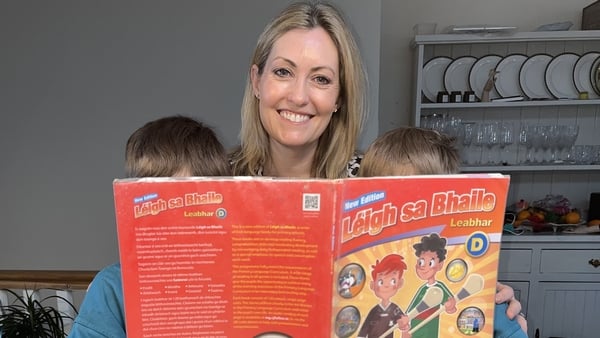
She said more than six-in-ten (63%) respondents whose parents used the public library for them had a degree level qualification or equivalent at 25 compared with 53% of those who did not use the public library.
We need your consent to load this rte-player contentWe use rte-player to manage extra content that can set cookies on your device and collect data about your activity. Please review their details and accept them to load the content.Manage Preferences
The survey also found that parental expectation of how far the child would go in their education at the age of nine was associated with whether the young person had obtained a degree at age 25.
"Just under four-in-ten (37%) of those whose parents did not expect the young person to reach a degree level education had obtained a degree level qualification or equivalent compared with 69% of those whose parents did expect them to get a degree," according to the report published.
Another finding is that over 45% of those whose household income was in the lowest income category at age nine had at least some difficulty making ends meet at age 25.
This compared with 24% of those in the highest income group.
This is the second in a series of CSO releases using data from Growing Up in Ireland Cohort 1998 looking at 25-year-olds living in Ireland in 2023/'24 who were also living in Ireland when they were 9 years of age in 2007/'08 at the time of Wave 1 data collection.