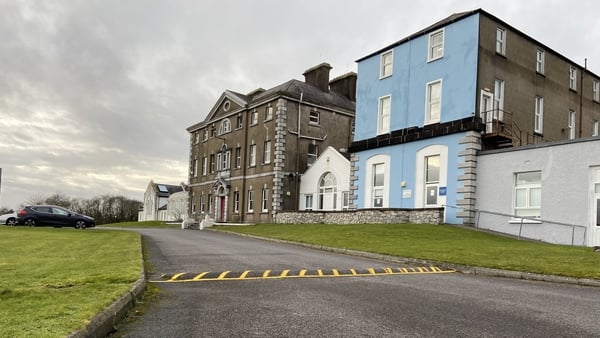

Sub-standard care at a nursing home in the southeast of the country was found to impact residents' safety, well-being and quality of life, according to an inspection report by the Health Information and Quality Authority (HIQA).
The finding is contained in one of 50 inspection reports on residential centres for older people that have been published.
The inspection was carried out at the Co Kilkenny facility to assess whether the provider had taken appropriate action to address findings of non-compliance identified 17 days previously.
HIQA inspectors found evidence of incorrect practices in the area of infection prevention control, including the poor adherence to hand hygiene and personal protective equipment (PPE) practices, which was a repeated finding from the previous inspection.
There had been an outbreak of scabies at the nursing home which was noted in the previous inspection report, however, the latest inspection found that residents affected by the outbreak were found to have completed the required period of isolation, and improvements were found in the storage of residents' laundry.
Open and unopened yogurt pots used in the administration of medications were left on the medication trollies.
Bed pan and urinal washer/disinfector machines repeatedly failed, which created an ongoing infection control risk for both residents and staff, according to the report.
It states that the registered provider failed to ensure that the number and skill-mix of staff was appropriate for the assessed needs of the residents.Therefore, some planned activities were suspended.
Residents informed the inspectors that they felt the day was very long, and they were observed waiting long periods of time for assistance for their call-bells to be answered.
Residents and visitors expressed concerns to HIQA about the centre being short-staffed, that there were long waiting times for call-bells to be answered, and that areas of the centre remained cold, in particular some bedrooms and communal areas.
'It can be cool at times'
At another facility in the northeast, which was assessed in October and November last year, inspectors noted that some residents were sitting at the dining table wearing extra layers.
One resident said, "it can be cool at times", while another resident said they "had to keep my coat on to keep warm".
The inspectors saw that there was no heating on and were informed that the heating was not working properly.
Management stated they had already engaged a professional to fix it in the coming days.
In the absence of the maintenance staff who were on leave, staff did not know how to turn the heating on.
On the second day of inspection, the heating problem had been rectified.
At the same facility located in Co Meath, inspectors found what the report has described "as a live infestation of vermin".
However, there was evidence that pest control had been in the centre twice within the month of October and on both occasions found no evidence of live activity.
Inspectors observed evidence of vermin presence in one storage cupboard and that the hot press cement floor had several visible holes in it.
On day two of the inspection, HIQA did "not see any evidence of vermin activity".
Some areas of Tipperary centre not fully secure
At another centre in Tipperary, an inspector found that some areas of the centre were not fully secure and posed a risk to residents who required a high level of supervision.
There were some residents living in the centre with "poor safety awareness" who demonstrated exit seeking behaviours.
The inspection found that an alarm was not functioning on a fire exit door on the first floor, leading to a ground floor stairwell.
A window at the bottom of the stairwell was fully openable, and the exit door adjacent to the window was unsecured.
This meant that the exit door could open easily and without the knowledge of staff and it posed a risk to residents.
26 centres fully or substantially compliant
Of the 50 reports published today, inspectors found evidence of good practice and compliance with the regulations and standards in a number of inspections.
Twenty-six centres were either fully compliant or substantially compliant with the regulations. In general, these centres were found to be meeting residents' needs and delivering care in line with the national standards and regulations.
Levels of non-compliance varied in the remaining inspection reports, with 13 centres non-compliant with three regulations or less, and 11 centres non-compliant with four or more regulations.
On these inspections, non-compliance was identified in areas including: staffing, infection control, fire precautions, individual assessment and care plan, premises, healthcare, protection, residents' rights.
Where non-compliance with the regulations was identified, providers were required to submit compliance plans to demonstrate how they will make improvements and come into compliance with the regulations.