


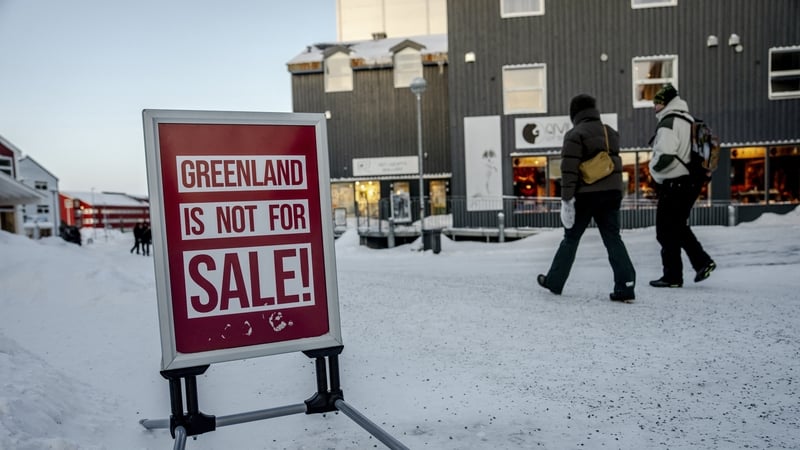
Greenland Prime Minister Jens-Frederik Nielsen has warned that while US President Donald Trump has ruled out military force, the US still fundamentally seeks to control the Arctic island.
Mr Trump intensified calls for US control over Greenland at the start of the year, citing national security concerns related to Russia and China.
Some European NATO allies have defended Denmark's sovereignty over Greenland and said Mr Trump's pressure threatened to fracture the NATO alliance.
Mr Trump has since backed away from threats of force and said he had secured total US access to Greenland in a NATO deal, though details remain unclear.
"The view upon Greenland and the population has not changed: Greenland is to be tied to the US and governed from there," Mr Nielsen said in a speech to the island's parliament in Nuuk, speaking via a translator.
Mr Nielsen said the US continues seeking "paths to ownership and control over Greenland".
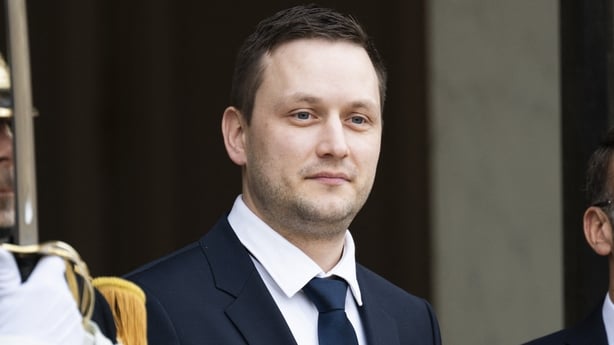
The island's government said last week it had launched a survey of the population's mental health situation at a time of extraordinary pressure.
"Some of our compatriots have severe sleep problems, children feel the worry and anxiety of adults, and we all live with constant uncertainty about what may happen tomorrow," Mr Nielsen said.
"We want to say it very clearly: This is completely unacceptable."
Diplomatic talks between the US, Denmark and Greenland began last week with senior officials meeting to "discuss how we can address American concerns about security in the Arctic while respecting the Kingdom's red lines," Denmark's foreign ministry said.
Mr Nielsen also praised Denmark as a close partner throughout the crisis. He has previously stated that if Greenlanders were forced to choose between the US and Denmark, they would choose Denmark.
The speech made no mention of independence for Greenland.
For Greenland's Inuit native population, the debate over ownership clashes with cultural values.
Under Greenlandic law, people can own houses but not the land beneath them, reflecting the Inuit concept of collective land stewardship.
