
The Department of Agriculture has said it has provided a detailed briefing to all stakeholders surrounding the first detected case of the bluetongue virus in the Republic.
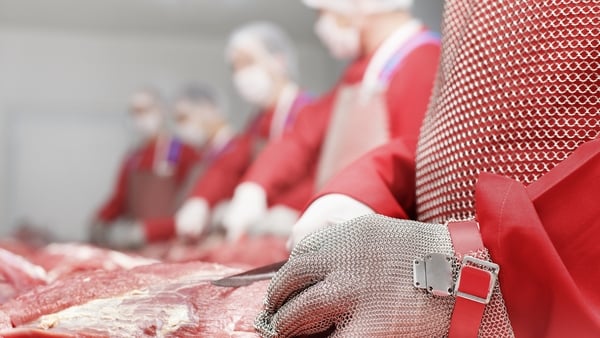
The department has also confirmed that this case was detected through the "culled cow routine surveillance" in a slaughterhouse.
This is the first occurrence of bluetongue virus (BTV) infection in a homebred animal in Ireland, the department said.
At the online briefing, it was confirmed that the export of live animals for slaughter can continue.
However, the export of live animals for further feeding to Northern Ireland will be suspended.
It is understood that, based on current results, the department believes there is no widespread transmission of the disease at this time.
On Saturday, Minister for Agriculture Martin Heydon confirmed that an outbreak of the bluetongue virus had been detected in Co Wexford.
It is understood that the infected cow had come from a farm in the east of the county.
Sources have stressed the near impossibility for any farmer to fully prevent one of their livestock from becoming infected by the virus, as it is spread by midges.
The small fly-like insects bite an infected animal before passing it onto the next one they bite.
It is understood that no other animals in the farmer’s herd in Co Wexford will have to be culled, nor will any animals have to be placed in isolation.
This is because bluetongue is not spread from animal to animal, and the replication of the virus in infected midges cannot happen when daily temperatures are lower than 12C.
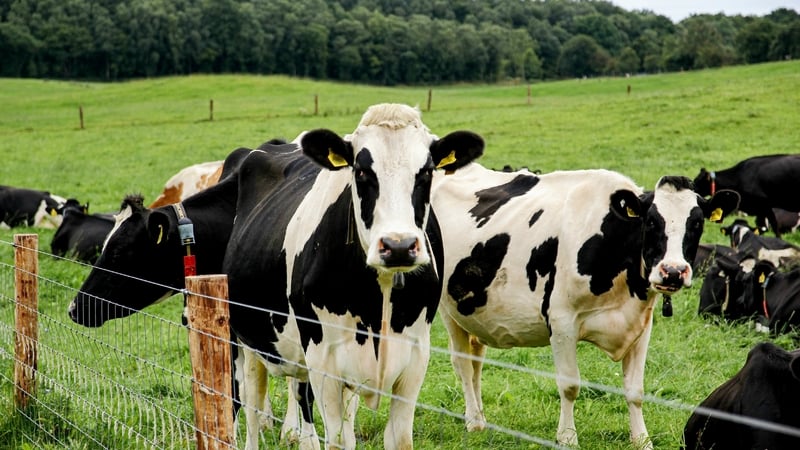
Bluetongue is an animal disease that can cause severe illness in livestock, such as cattle and sheep, but also in goats, deer and llamas.
It does not pose any risk to human health or food safety.
Impact on live exports
However, it will affect live exports of cattle and sheep to some countries outside of the EU that require Ireland to have a disease-free status.
The department has said that the movement of livestock from farm to farm, and from farm to slaughter, including those through marts, can continue as the cold temperatures prevent the virus from replicating.
However, the movement of livestock to certain EU member states and so-called third countries will be affected now that Ireland has lost its bluetongue virus free status.
The department said that further guidance on this will be provided in due course, but farmers can contact their Regional Veterinary Office for more information in the meantime.
The department also confirmed that investigations into the case of the virus in Co Wexford are ongoing and "additional surveillance" is being carried out in the area.
The testing of animals in the herd in which the case of bluetongue was identified as well as on surrounding farms is under way.
It is hoped that the results of this blood sampling are expected to be known by Wednesday.