
Support organisations for people with eating disorders have said that across Ireland, patients cannot access timely specialist treatment and people are dying as a result.
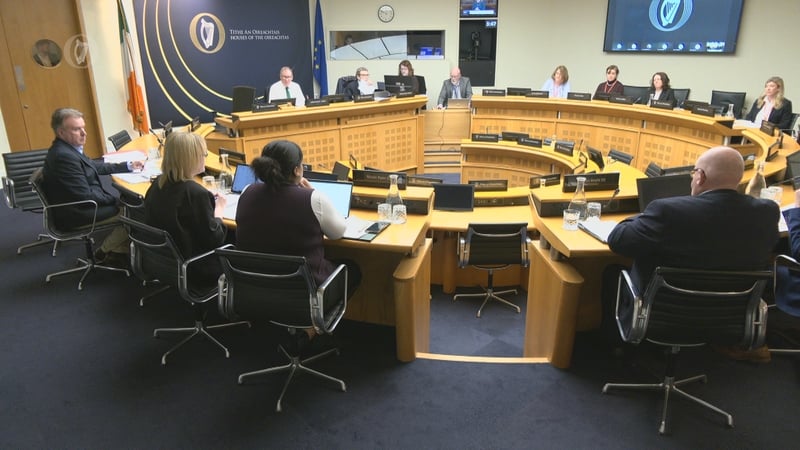
The organisation CARED Ireland, which has over 170 member families, told an Oireachtas Committee on Health that eating disorders have the highest mortality rates of all mental illnesses.
Founding member Paula Crotty said the organisation was at the meeting to outline that health services exist on paper but not in reality.
She said there were just three adult HSE specialist disorder beds in Ireland, all in south Dublin.
The committee heard that anorexia is the most common diagnosis for children in psychiatric hospitals.
Ms Crotty told the committee that the HSE Eating Disorders Model of Care was introduced in 2018, but eight years later, demand has increased significantly, yet services remain incomplete, understaffed or inaccessible.
Watch: Early intervention to help eating disorders is rhetoric and not realty, says CARED Ireland
She said that while 11 specialist teams are listed, many are not fully staffed and do not have the multidisciplinary expertise require, to treat eating disorder safely.
She told the committee that turning 18 does not pause an eating disorder.
Ms Crotty said patients are routinely discharged from the Child and Adolescence Mental Health Services (CAMHS) due to age and placed on waiting lists, often into services that do not exist.
Bodywhys CEO Harriet Parsons said that in 2024, its helpline responded to almost 1,300 calls, with over a third concerning people under 18.
She said that day programmes in adult services are also crucial as they provide an essential step-down that can prevent deterioration and reduce the need for lengthy inpatient admissions.
The HSE told the committee that an increasing number of children, adolescents and adults are accessing assessment and treatment each year by specialist teams.
Martina Queally, Regional Executive Officer, HSE South and South East, said that in 2024, referrals increased by 33%.
She said the HSE's core focus has been the development of regional specialist outpatient eating disorder teams across both the CAMHS and adult services.
She said that a review of the 2018 Model of Care is taking place.
We need your consent to load this rte-player contentWe use rte-player to manage extra content that can set cookies on your device and collect data about your activity. Please review their details and accept them to load the content.Manage Preferences
If you have been affected by any of the issues raised in this story, visit rte.ie/helplines.