
A survey involving thousands of citizen scientists has provided a snapshot of the influence of changing weather and climate on British and Irish flora.
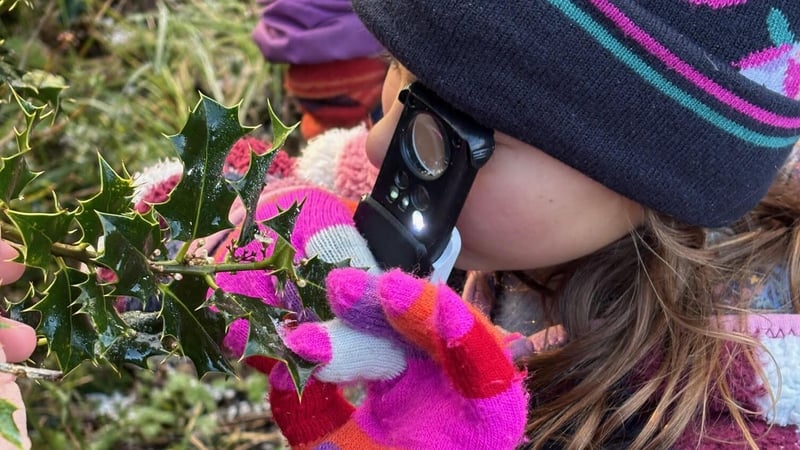
The New Year Plant Hunt, co-ordinated by the Botanical Society of Britain and Ireland (BSBI), records plants in flower around New Year's Day.
This year's survey saw a record 25,000 individual plant records, with 663 different species in bloom, the third highest total in the 15-year history of the Hunt.

In Ireland, 167 surveys were carried out, comprising of 2,220 records of 232 different species.
Dandelion was the most frequently recorded species, with the longest list of 63 recorded species of plants coming from Co. Wexford.
Daisy was the most recorded plant across Britain and Ireland, with 1,242 observations including Daingean Uí Chúis in the west of Ireland.
Analysis of the survey data by UK Met Office scientists has suggested there is "a significant relationship between warmer temperatures and increased plant flowering".
In a statement, the Met Office said that for every 1°C rise in temperature at a given location, an average of 2.5 additional plant species are observed in bloom during the study.
"This striking trend provides compelling evidence of the influence of climate variability and change on our natural environment," it said.