
Ireland is facing a potential future crisis in end of life care and support for people who are bereaved without targeted investment and planning, according to a new report by the Irish Hospice Foundation (IHF).
It says that 92% of people die somewhere other than in a hospice.
With Ireland's growing, ageing population, the current provision of palliative care services will have to grow exponentially to meet the increasing demand.
The IHF said the older population is growing rapidly and the number of people aged over 65 is projected to double in the next 20 years.
The Dying, Death and Bereavement in Ireland 2026 report cites previous research showing that two in three people who lost a loved one were not told that death was imminent.
The report says the lack of communication meant that the person dying missed opportunities to make appropriate arrangements and family members were not fully aware that their loved ones' death was imminent.
The research on communication is from the first national end of life survey by HIQA and the HSE, published in 2024 which involved 4,570 respondents.
The IHF recommends that conversations about death should be encouraged to reduce the stigma and fear of talking about and preparing for death amongst the public and by medical professionals.
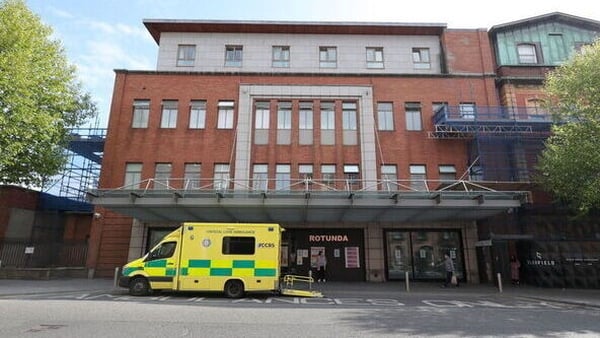
The report says that a lack of out of hours support for people receiving end of life care may be leading to an increase in people attending emergency departments when medical intervention is required.
Over a five-year period, 2019-2023, almost 5,500 people died in or on the way to emergency departments, it says.
The report notes that around 35,000 people die in Ireland each year and this will grow to 49,000 a year in two decades.
It projects that the number of people dying from a condition that will require general and specialist palliative care is set to increase by 57% in the next 20 years.
Read more: Out of hours palliative care needs to be improved, says widow