The family of murdered Derry GAA official Sean Brown are preparing for another court hearing as the British government attempts to block a public inquiry in his murder.
Bridie Brown has just spent her 29th Christmas without the love of her life.
The 87-year-old begins this year as she did last, with the hunt for the truth about what happened to her husband mired in legal red tape.
In May 1997, and just a few hundred metres from his Co Derry home, 61-year-old Sean Brown was abducted by a loyalist gang as he locked the gates at Bellaghy Wolfe Tones GAA club.
The father of six was bundled into the boot of his car and taken to Randalstown in Co Antrim, where he was shot dead.
No-one has ever been convicted of his murder.
His family believe the killers were protected.
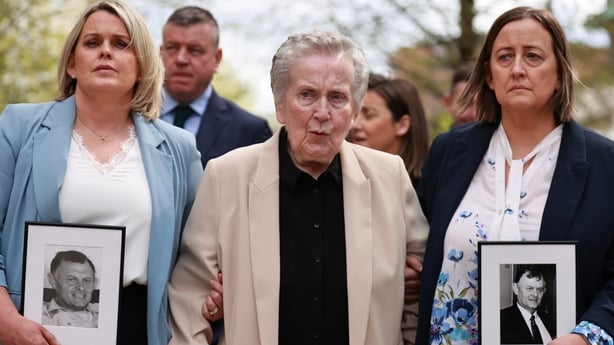
Sean Brown's family don't just suspect that informers working for the security forces were involved in his murder.
They know it.
During a discontinued inquest into his death the family was provided with what's called a "gist" about the killing, which included information the British government did not want disclosed.
That gist confirmed that several state agents were among 25 people linked by police intelligence to his murder.
A coroner then ruled that there should be a public inquiry, a call endorsed by PSNI Chief Constable Jon Boutcher.
That decision was upheld by Northern Ireland's High Court and Court of Appeal.
But the British government has appealed the ruling to the UK Supreme Court.
Bridie Brown and her family have been to court almost 60 times as part of their campaign for the truth about what happened.
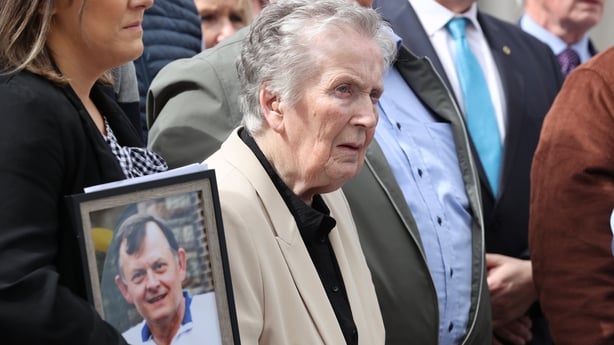
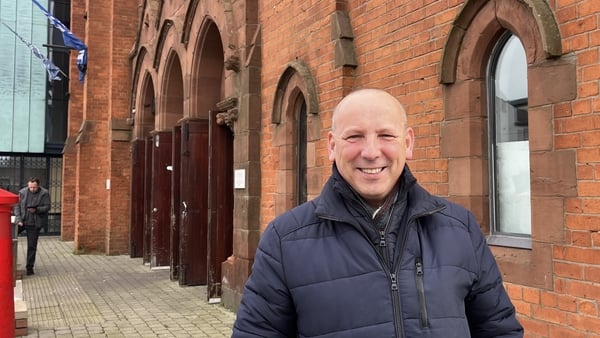
"They are doing everything they can to try to stop the truth coming out. It's obvious they're hiding something," says Sean Brown, the victim's son.
"Every year, every day nearly, that goes by we're sitting waiting and hoping there will be progress, because there's something sinister and dirty about my father's killing that just needs to come out."
The Irish Government and the GAA have backed their campaign.
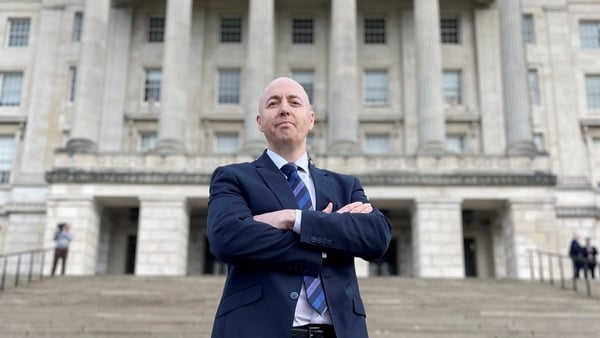
"The family have been very heartened by the support from the Irish Government and from the GAA, that means an awful lot," says their solicitor Niall Murphy.
"But the British government just seem intent on dragging this out for as long as possible and doing everything they can to stop them getting to the truth.
"Five High Court judges have reviewed the facts of this case in explicit detail, have applied the law, and the only legal resolution to these facts is a public inquiry."
Since taking office, Northern Ireland Secretary of State Hilary Benn has repeatedly said the UK government's approach to dealing with the legacy of the Troubles will be "victim centred".
Sean Brown's family and relatives of many other victims do not see it that way.
They believe the UK's priority is protecting the state and keeping the truth hidden.
That view was reinforced by a decision by the UK Supreme Court last month.
It upheld an appeal against a ruling that sensitive security information should be provided to the family of a Catholic man murdered by loyalists in west Belfast in 1994.
Paul 'Topper' Thompson was shot dead by the UDA as he sat in a taxi just metres from a so-called peace line dividing Catholic and Protestant areas, with a British army watch tower overlooking the scene.
His family has insisted there was state collusion in his murder and that informers were involved.
A security camera covering the area was not functioning at the time of the shooting, and the gunmen escaped through a hole in a security fence that local people had raised concerns about shortly before the attack.
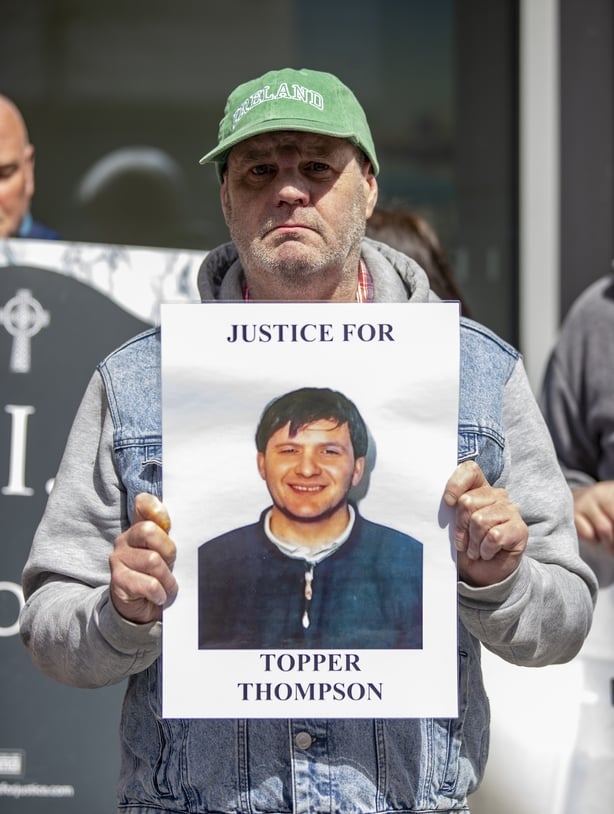
Northern Ireland's Coroner had wanted to provide the family with gist of information after the British government introduced legislation that meant the inquest into his death could not be completed.
One of the issues the inquest was not able to consider was whether the security forces had received information from an informer or other sensitive and secret information in connection with the murder.
Like in the Sean Brown case, the decision to release the information was upheld by Northern Ireland's High Court and Court of Appeal.
But Hilary Benn appealed to the UK Supreme Court, arguing that disclosing the documents "would be contrary to the public interest in protecting national security".
British government lawyers argued that providing the information would be contrary to its long standing policy of Neither Confirming Nor Denying (NCND) the use of informers or other secret sources of information.
Read More:
O'Neill calls UK govt decision to appeal Brown ruling 'cruel'
Legacy body 'lacks powers of a public inquiry to examine Sean Brown murder'
Top IRA agent Stakeknife protected by British handlers, report finds
Appeal upheld in case of Paul 'Topper' Thompson killed by UDA during Troubles
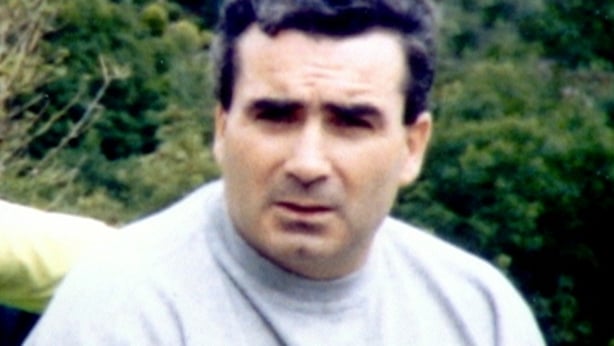
That same policy is why the identity of a British army agent within the IRA codenamed Stakeknife has not been officially confirmed, despite it been widely known that he was former west Belfast man Freddie Scappaticci.
The UK Supreme Court unanimously allowed the appeal.
Gráinne Teggart, Northern Ireland Deputy Director of Amnesty International UK, described it as "a grim day for truth."
"National security cannot be a blank cheque to conceal state wrongdoing or human rights violations," she added.
"The Thompson case epitomises everything that is broken in the UK's legacy approach: secrecy, endless delay, and a state closing ranks against a family seeking answers."
Danile Holden, director of the Committee on the Administration of Justice, a human rights organisation based in Belfast, said the ruling and the British government's approach to legacy raised grave concerns.
"CAJ is concerned that this ruling in practice could enable a Secretary of State to conceal the involvement of state agents in killings and other violations during the Northern Ireland conflict," he said.
"The ruling itself implies that doing so is an appropriate application of the government's Neither Confirm Nor Deny (NCND) policy."
The UK Supreme Court is expected to rule on the Sean Brown case before Easter.
His family are not hopeful, but say they are determined to expose the truth about his murder no matter how long it takes.
We need your consent to load this rte-player contentWe use rte-player to manage extra content that can set cookies on your device and collect data about your activity. Please review their details and accept them to load the content.Manage Preferences