


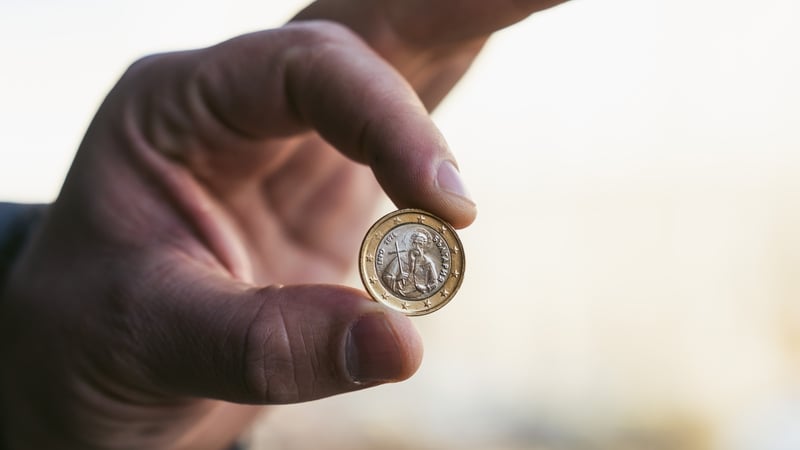
Bulgarian banks, businesses and shoppers were preparing this week to say goodbye to the lev currency ahead of a move to adopt the euro on 1 January, along-awaited milestone met with excitement, scepticism and, in some corners, anger.
Bulgaria, a Black Sea country on the European Union's southeast frontier, will be the 21st country to join the eurocurrency zone after it met the formal entry criteria this year, including for inflation, budget deficit, long-term borrowing costs and exchange-rate stability.
It comes two years after Croatia joined in January 2023 - the last country to do so - and will push the number of Europeans using the currency to more than 350 million.
Becoming a member of the euro zone, apart from using euro notes and coins, also means a seat at the European Central Bank's rate-setting Governing Council.
While successive Bulgarian governments have tried to make the step since joining the EU in 2007, the Balkan country of 6.7 million people is split on the issue, polls show, although businesses are largely in favour.
Suspicions among some Bulgarians
Some fear it will push up prices, or are suspicious of a domestic political establishment in the throes of a crisis that saw the government step down this month amid widespread protests against proposed tax increases.
In a country with historic cultural and political ties to Russia, many are wary of further allegiance to Europe.
"I am against it, first because the lev is our national currency," said Sofia pensioner Emil Ivanov, interviewed while shopping.
"Secondly, Europe is heading towards demise, which even the American president (Donald Trump) mentioned in the new national security strategy.
"I may not be alive when this (the EU's demise) happens but that is where everything is going."
Some political analysts said the campaign promoting the euro has been weak, and that older people, especially in remote areas, will struggle to adapt. They said a lack of stable government may further complicate the change.
Still, in the streets and stores of Sofia, businesses have been preparing. Prices of everything from fruit to bottles of wine are displayed in both levs and euros.
Government-funded billboards show the euro-lev exchange rate with a message saying: "Common past. Common future. Common currency."
Television adverts have also flagged the coming change.
Some have welcomed the move.
"Not only older people but also all young people can easily travel using euros instead of having to exchange currency," said Veselina Apostovlova, a pensioner shopping in Sofia.
Businesses that sell goods across borders were also supportive.
Natalia Gadjeva, owner of the Dragomir Estate Winery in the Thracian Valley, said: "For me, the most important thing is that all operations involving currency conversion and reissuing invoices in euros and then in levs will be eliminated."
