
Infant remains, dating from the time a Mother and Baby Home operated in Tuam, have been found on the site where the institution once stood.
They were discovered in a second burial area, a short distance from where other remains were located in 2017.
The development comes as excavation works continue at the location in Co Galway, in an effort to find children who died there over a 36-year period.
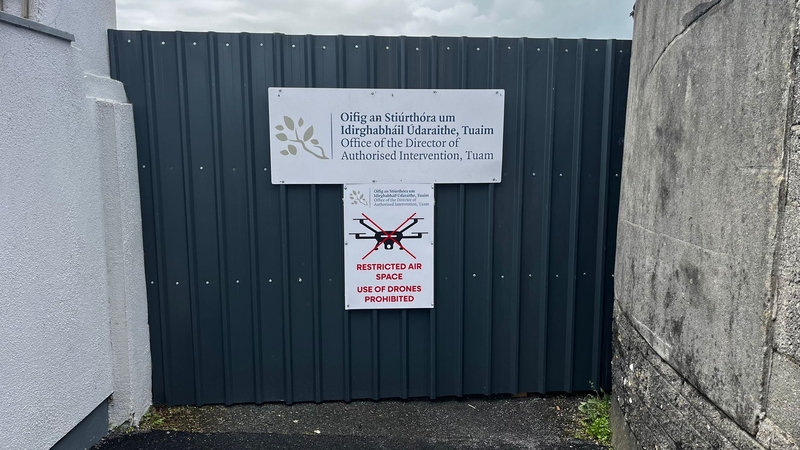
The task, overseen by the Office of the Director of Authorised Intervention in Tuam, began during the summer.
In its latest update, the agency says "consistent evidence" has now been found of a second burial ground, separate to one that was the subject of initial examination eight years ago.
A total of 11 sets of infant remains have been discovered in the new location, around 15 metres away from a memorial ground on the site.
All were buried in coffins, and date from the period between 1925 and 1961, when the home operated.
They were found less than a metre below the old surface, which had been covered by gravel more recently.
Daniel MacSweeney, who is leading the operation, described the discovery as significant.
He said forensic and archaeological experts were confident that the manner of burial, and the fact that all were infant remains, meant they were linked to the home.
"We have indications of further potential graves of infant and child size, and over the coming weeks and months we will excavate them and see what we find there," he said.
"There is also a historic map that shows a larger burial ground in this part of the site, we will also excavate there and see if there are further burials."
He said that it was advantageous the bodies were in coffins, from the point of view of identifying the remains.
This means the issue of 'co-mingling', where bones might be more scattered, would not be encountered with the latest discoveries.
Mr MacSweeney said the excavation and exhumation process was progressing well.
"We're pleased with the fact that we're now starting to find remains from the era we're looking for so all of this represents progress towards our ultimate objectives."
The local historian, whose research shone an international spotlight on burial practices in Tuam, says the latest developments are hugely significant.
'Huge milestone'
Catherine Corless said maps drawn up when the Dublin Road estate was being constructed on the site listed a burial ground, but the discovery of remains at that location was a "huge milestone" for survivors and relatives of those who died there.
"There are more than likely scattered all over the area that is now being excavated, so it's a huge breakthrough and a great relief," she said.
Ms Corless also said the discovery was a vindication of the methodical manner in which the excavation work was being carried out.
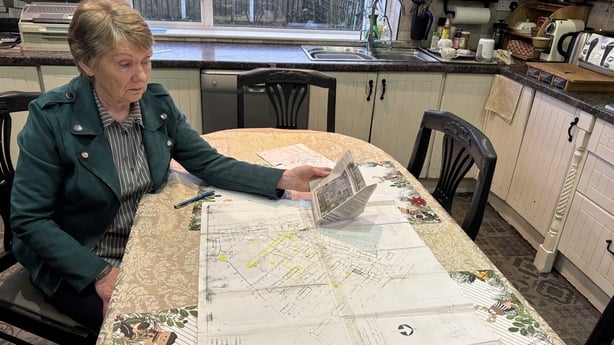
"Initially they were only finding artefacts on the site, and there are groups out there who are only jumping on that, saying the home babies are not on the ground.
"They keep saying 'they are not there'. This is pure evidence now that they have dated the remains to the Mother and Baby Home [era].
"Hopefully this is the start of a process that will allow for DNA testing, to match babies with their families, so they can be brought home and laid to rest with their mothers," she said.
The absence of burial records for children who died at institutions during the 20th century is not unique to Tuam.
Following the latest developments here, there have been calls for the Government to prepare to fully examine other sites around the country.
The Special Advocate for Survivors of Institutional Abuse, Patricia Carey, said it was incumbent on the coalition to locate burial grounds in all institutions "so the remains of those who died in Magdalene Laundries, Mother and Baby Homes and Industrial Schools can be investigated, their bodies found and family members can have dignified burials".
Ms Carey said she was regularly contacted by survivors who were very concerned about the whereabouts of family members.
"It's extremely important that if Ireland respects its dead that the Government find where the dead of the institutions are, and allow them to have proper memorialisation and dignity," she said.