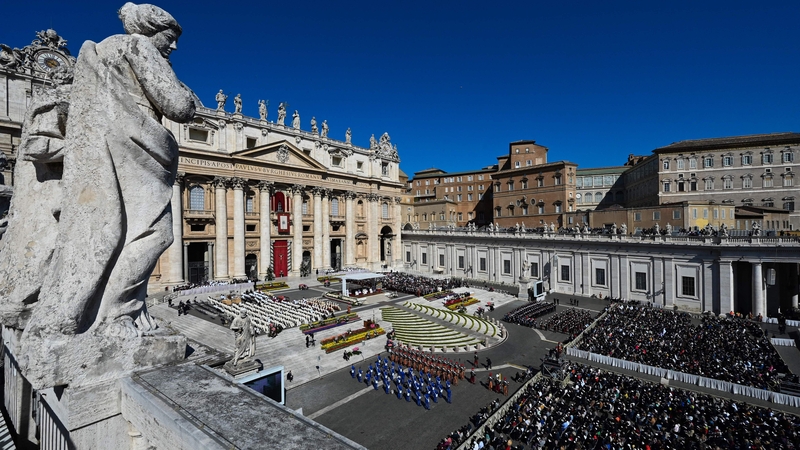

A report concluding Pope Francis's month-long synod on Synodality has been published by the Vatican.
It follows a meeting of the 16th Synod of Bishops this month, which was held after the Pope called for a global conversation among Catholics in 2021, about their church.
For the first time in a Synod of Bishops, laypeople - including women - took part in the vote on the final document.
81 paragraphs each received at least two-thirds approval.
The Synthesis Report, which is divided into a preface and three parts, offers a path for work to be done in the second session in 2024.
The text includes reflections and proposals on topics such as the role of women and the laity, the ministry of bishops, priesthood and the diaconate, the importance of the poor and migrants, digital mission, ecumenism, and abuse.
In it, the synod assembly has noted an "openness to listening and accompanying all, including those who have suffered abuse and hurt in the Church", which "addressing the structural conditions that abetted such abuse, remains before us, and requires concrete gestures of penitence".
Issues discussed over the last three weeks have included the status of women, as well as LGBTQ+ issues, such as the blessing of same-sex unions.
There were various opinions regarding women deacons.
For some, it was "unacceptable" because they considered it "a discontinuity with tradition"; others believed it would restore a practice of the early Church; while others saw it as "an appropriate and necessary response to the signs of the times … that would find an echo in the hearts of many who seek new energy and vitality in the Church".
It is likely that further theological and pastoral research on the matter will be presented at the next Session of the Assembly in 2024.
Participants from Ireland attended meetings, presentations, and discussions outside the main synod hall this month, including the former president Mary McAleese.
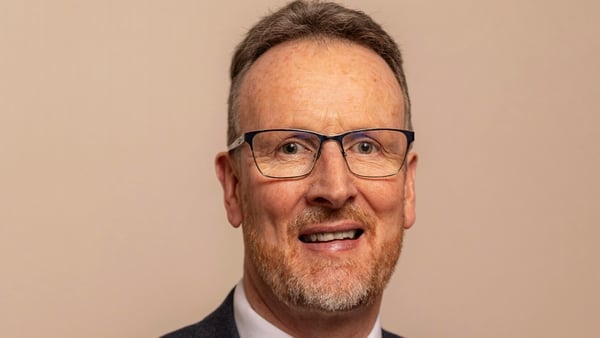
We Are Church International (WAC) which is a global coalition of national church reform groups and chaired by Dublin based Colm Holmes said the task of the Synod over the next 11 months, is to "foster the reform spirit that has become visible inside and outside the Synod hall in many private talks and meetings with members of the Synod".
"In this climate of trust the Church's traditional teaching on the questions of leadership, women’s equality, inclusion of minority groups and other issues were addressed by many local churches all over the world," it said.
Dismay expressed by 'failure of synod' to open ordained ministries to women
The Women's Ordination Conference - which is seeking equality for women in the Roman Catholic Church - has expressed dismay "by the failure of the synod to take seriously the overwhelming calls to open all ordained ministries to women".
In a statement issued this morning, it said indications that the conversation on women in ordained ministries be limited to the permanent diaconate or undefined "new ministries," didn't reflect the needs of the church today, nor the fullness of women’s vocations.
While it noted "the significant development" that 54 women could vote for the first time alongside their male contemporaries, it has described the synthesis document’s "superficial treatment" of the injustice of the inequality of more than half of the members of the church as "cause for concern".
"On some level, the document seems to reflect a recognition of the wounds women have experienced at the hands of the church, but it falls short of engaging substantially with the healing of those wounds, opting instead to leave those issues to ever more studies and commissions."
The WOC had said that for the synodal process to retain any credibility, it needs to take seriously, the full equality of women and LGBTQ+ people in every aspect of church life.
It said a "listening church" that failed to be transformed by the fundamental exclusion of women and LGBTQ+ people failed to model the gospel itself.
"Our ongoing witness, especially in the coming year, will be essential to ensuring women’s voices, experiences, and vocations are not further erased in the synodal process", it said.