Switzerland is expected to approve a new climate bill on Sunday, aimed at steering the country towards carbon neutrality by 2050.
The referendum is over a proposed law that would commit to slashing dependence on imported oil and gas, and to scaling up the development and use of greener alternatives.
The bill has strong public backing, though it has seen support slip to 63% in favour, according to the latest survey by pollsters gfs.bern.
Switzerland's largest party, the populist right-wing Swiss People's Party (SVP), has been calling for voters to reject the bill, warning it could harm the economy.
However, supporters say Switzerland needs more energy independence and to address the effects of climate change.
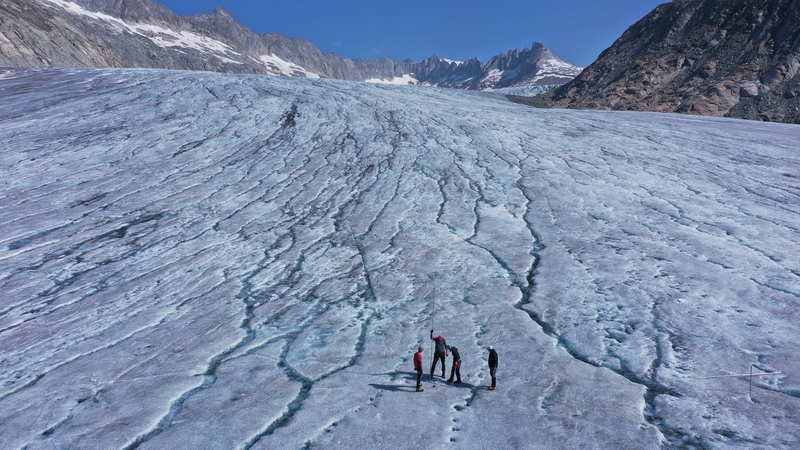
The issue has been highlighted by the melting of glaciers in the Swiss Alps, which lost a third of their ice volume between 2001 and 2022.
The wealthy Alpine nation imports around three-quarters of its energy, with all the oil and natural gas consumed coming from abroad.
The proposed Federal Act on Climate Protection Targets, Innovation and Strengthening Energy Security would aim to reduce the dependence on other countries and cut environmental pollution.
Fossil fuel ban?
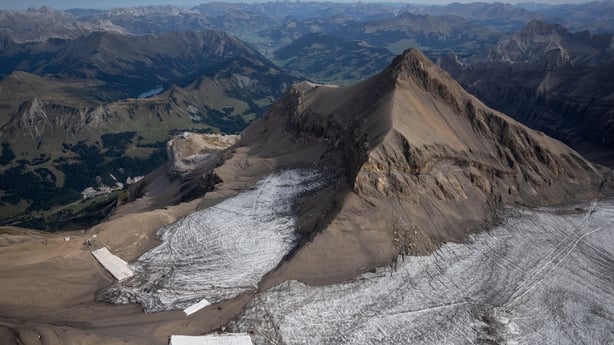
The Swiss government proposed the law as an alternative to an effort by climate activists, dubbed the Glacier Initiative, for a popular vote on a total ban on all oil and gas consumption in Switzerland by 2050.
The government balked at the ban idea but drew up a counterproposal including other elements from the initiative.
The text promises financial support of 2bn Swiss francs (more than €2bn) over a decade to promote the replacement of gas or oil heating systems with climate-friendly alternatives, as well as aid to push businesses towards green innovation.
Nearly all of Switzerland's major parties support the bill, except the SVP, which triggered the referendum under the country's direct democracy system against what it dismisses as the "electricity wasting law".
The SVP says the bill's goal of achieving climate neutrality in just over a quarter-century would effectively mean a fossil fuel ban, which it warns would threaten energy access and send household electricity bills soaring.
The party in 2021 successfully lobbied against a law that would have curbed greenhouse gas emissions.
But there has been a growing push for Switzerland to reduce its reliance on foreign energy sources, after Russia's invasion of Ukraine threw into doubt Swiss access to much of the foreign energy the country uses.
Also on Sunday's ballot will be a referendum on whether to hike the tax rate for large businesses.
The government wants to amend the constitution so Switzerland can join an international agreement, led by the Organisation for Economic Cooperation and Development (OECD), towards a global minimum tax rate of 15% for multinational corporations.
The latest opinion poll indicated that 73% of Swiss voters back the plan, which would impose the new rate on all Swiss-based companies with a turnover above €750m.
Until now, many of Switzerland's 26 cantons have imposed some of the lowest corporate tax rates in the world, in what they often said was needed to attract businesses in the face of high wages and location costs.
The Swiss government estimates that revenues from the supplementary tax would amount to 1bn to 2.5bn francs (€1.023bn to €2.5bn) in the first year alone.
Bern has acknowledged that efforts would be needed to continue attracting international companies.
It has proposed using some of the additional tax income to promote Switzerland as an attractive business location.