
A woman whose mother and grandmother were sent to a mother-and-baby home in Co Westmeath has said she believes there needs to be excavations at the sites of every mother-and-baby home in Ireland.
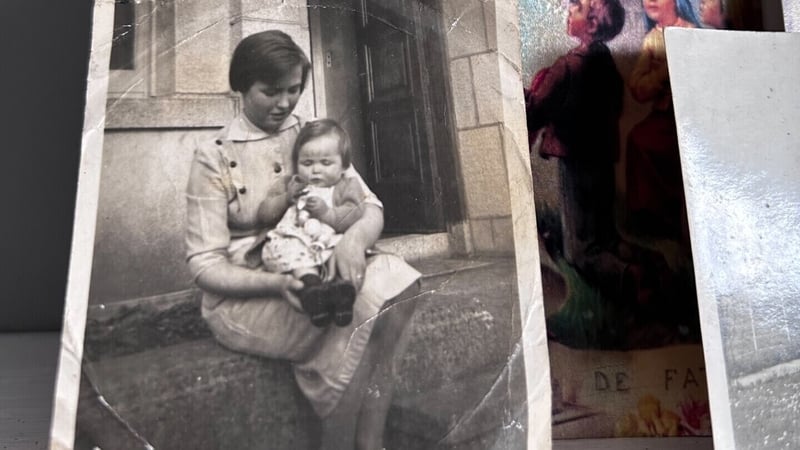
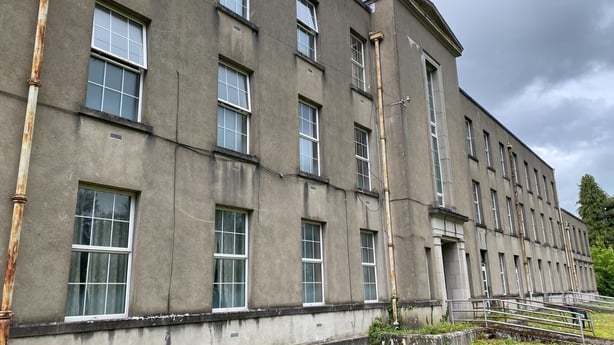
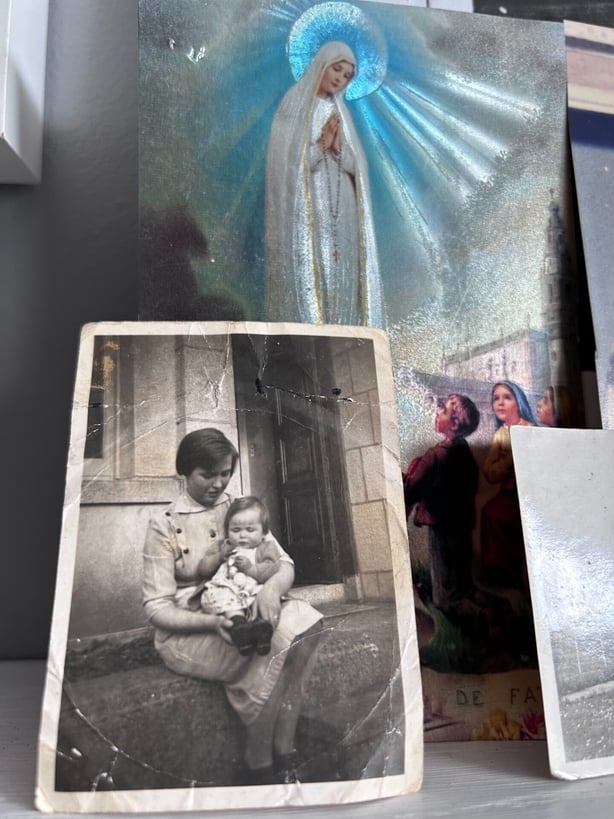
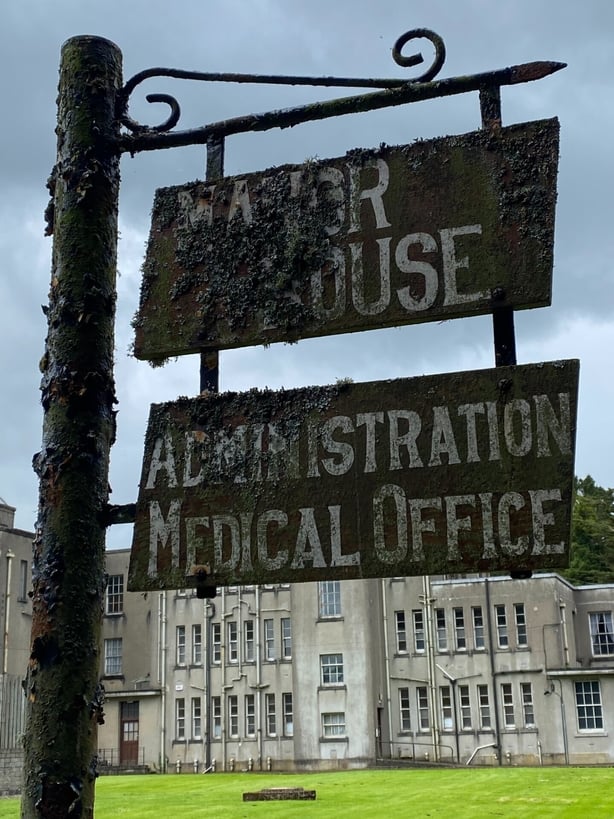
In 1954, Philomena Cahill and her baby Maria were forcibly repatriated from London to Ireland to live in the mother-and-baby home in Castlepollard.
Such women were demeaningly branded PFIs 'Pregnant from Ireland' by welfare services, with the Irish and UK state often paying for their forced return home.
After almost two years in the home, Maria was taken from her mother without her knowledge or approval and adopted.
Philomena was forced to remain at the home for another three months.
"She was never asked; I don't think she was even told about it," explains Fiona Cahil, Maria's daughter who lives in the UK.
"Her daughter was only two years old at the time and Philomena had to stay there for another three months because at the time, it was a two year 'punishment'."
Maria Cahill was transferred to the care of St Patrick's Guild Adoption Agency and placed in Temple Hill Nursery in Dublin.
After being released from the home three months later, Philomena immediately went to St Patrick's Guild, where they told her Maria was in Canada.
Devastated and heartbroken, Philomena returned to London to live with family.
She sent their address to the adoption agency, home and nuns so they could send any information regarding Maria.
For decades, information was not forthcoming.
"I think they thought they were dealing with puppies, here's your brand your new home, now get on with it" said Fiona.
Difficulties getting information
Maria, now with her adopted family, had a difficult childhood, according to her daughter.
She moved to Glasgow with her mother when she was older and began her own family in the 1970s.
From the mid-1970s, Maria spent hours writing to anyone and any organisation who could help her find her mother.
The silence from people and organisations in England and Ireland continued for decades.
"I found a letter my mum wrote to St Patrick's Guild in the 80s so desperate to find her mother," Fiona said.
"In the letter she talks about hearing a voice whispering to her 'my child, find me'.
"This is complicated paperwork, and we're still have difficulties getting information.
"My mother got information through freedom of information by doggedly writing to people and getting little bits of information.
"Just last week, for example, we got some stuff back from the Adoption Authority and most of it was redacted.
"It feels like we've had to chip away little bits all along the way."
We need your consent to load this rte-player contentWe use rte-player to manage extra content that can set cookies on your device and collect data about your activity. Please review their details and accept them to load the content.Manage Preferences
In 1996, the guild wrote to Maria Cahill asking her to come to Dublin for a meeting, at which a nun finally gave Maria a photocopy of her UK birth certificate.
Only then did Maria find out her real mother's name.
"My mum was told at the meeting her mother was dead," Fiona said.
"She was so upset she fell on the floor but they offered her nothing, no support, not even a tissue."
The Cahills have been trying to access Maria's official documents relating to her birth and adoption for years.
Last year, they finally secured her original baptism certificate, a document the family did not think they would ever get - Maria was only ever allowed a post adoption baptism certificate.
"Knowing so little about her early life meant that was incredibly important to her," Fiona said.
"She was overjoyed I had managed to get it after all these years of both of us trying to get any of her early life information."
However, their fight for the truth continues.
"We need an acknowledgement of the truth to start," Fiona said.
"And for people who are still looking for babies who are buried in these institutions, there needs to be more forensic work done, more forensic paperwork is needed."
Tuam excavation
Yesterday Minister for Children Roderic O'Gorman confirmed that Daniel MacSweeney will be in charge of the independent office to lead an excavation at the site of the former mother-and-baby home in Tuam, Co Galway.
Mr MacSweeney will head up the independent office that was established under the Institutional Burials Act to oversee that children's remains at the site are recovered and re-interred in a respectful and appropriate way.
"It's good news what is happening in Tuam and it's the right person with the right skills there and hopefully that will work out, but I also think, why is it just Tuam?," Fiona said.
"Obviously, there are babies buried everywhere.
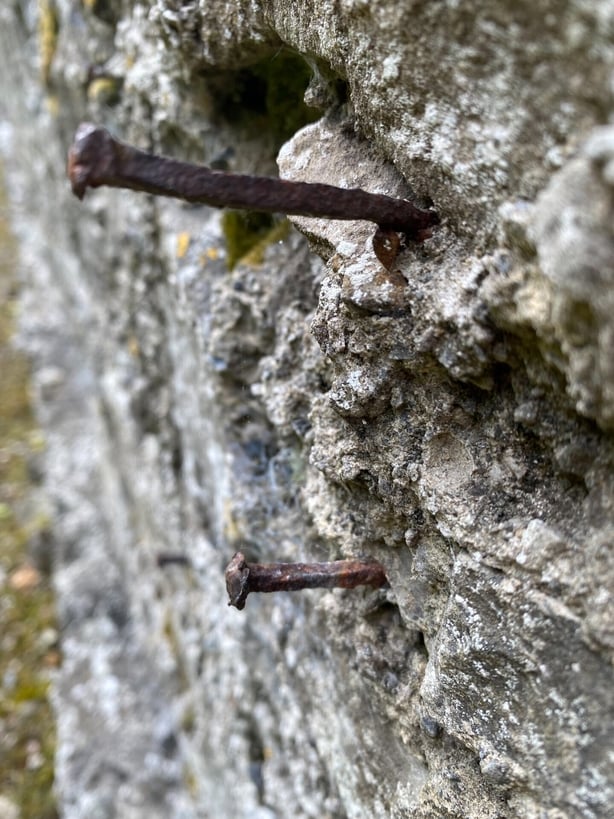
"In Castlepollard, the plot we know about, with the nails on the wall, the babies are behind that wall, that's the only markers that are there but there's also talk of another plot near the laundry.
"We don't know but it's possible.
"All of these places have to be examined properly, all the sites need to be examined forensically so that we can get an idea of the numbers and so people who are looking for relatives, can get answers."
'Unconscionable'
When Fiona talks about redress, she raises this question.
"If you are not allowed to know what happened to your baby, how can you say we're going to give you £3,000 as redress, what you want to know is what happened to your baby," she said.
"They have to acknowledge what happened. We need to be looking at how many babies are in these institutions and where they are and enable relatives and family members to find out what happened and if there baby is there."
Fiona said her mother will never get over what happened and her treatment in the decades that followed.
In 1997 the family were eventually given a file with some information on her birth mother, but Philomena Cahill had passed away before Maria could meet her. She met her half siblings later that year.
"My mother has never gotten over this and perhaps it would have been easier had she met her mum again," said Fiona.
"She's suffered with PTSD all her life.
"There's still no sense of justice for us. There are mothers undoubtedly who know their children died and they don't know where they are. It's unconscionable to me.
"It's the cruelty of it and the fact that it still goes on and it still being allowed to play out while at the same time, people talk about recognising the trauma."