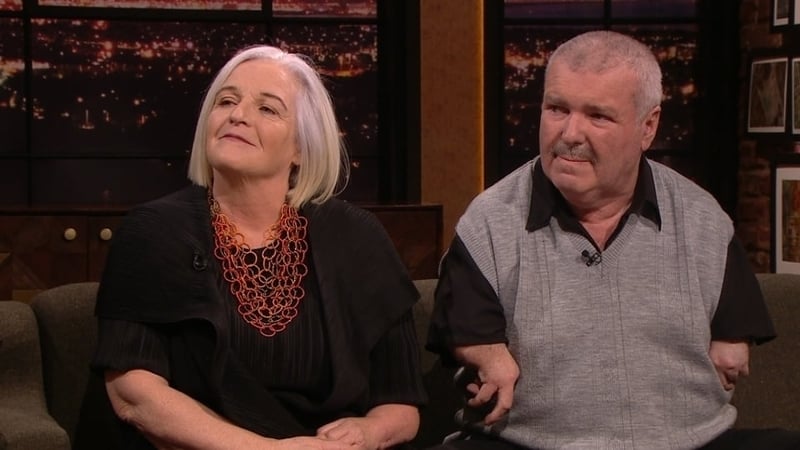

Survivors of thalidomide and parents have renewed their appeal for a State apology more than 60 years after the drug was removed from the market.
Thalidomide was prescribed to pregnant women in the late 1950s and early 1960s to treat morning sickness.
It was withdrawn internationally in 1961 after it was found to cause major birth defects, including shortened or no limbs and damaged nerves, organs, hearing and eyesight.
However, in Ireland, the withdrawal of thalidomide did not happen until 1962.
Finola Cassidy, spokesperson for the Irish Thalidomide Association (ITA), said the drug "stayed on the market for seven to nine months" in Ireland after the international recall.
Speaking on RTÉ's The Late Late Show, she described the medication as "a wrecking ball to the embryo".
Also speaking on the programme, John Stack, the youngest thalidomide survivor, said: "If they took it off when they were supposed to take it off, I wouldn’t have been affected".
Last month Mr Stack called for "a compensation package and we are looking for a full and final settlement".
There are just 40 remaining survivors in Ireland, including around a dozen people who the ITA said have not been acknowledged as thalidomide survivors by the State.
"Acknowledge the wrong, apologise for it, welcome the unacknowledged and plan for our future with a fair deal."@ThalidomideIre#LateLate pic.twitter.com/UebNuT7RKp
— The Late Late Show (@RTELateLateShow) February 24, 2023
Ms Cassidy said survivors and parents have now been 50-years seeking an apology.
"We have had 25 ministers for health since 1959 when the drug came to Ireland," she said.
Ms Cassidy added that the UK has issued an apology and has looked after survivors' future needs.
In an appeal to the Irish Government, she said: "All we are asking for is to draw a line now" and to acknowledge the wrongdoing by the State in not withdrawing the drug when the recall first took place.
"This didn't happen on your watch but you are the custodians of the State stance to solve this problem."
Mr Stack said: "It is high time they sorted it out for us because it is going on too long" and "we cannot afford to wait any longer".
Taoiseach 'sorry' for what survivors went through
The Taoiseach has said he was very sorry for what thalidomide survivors went through but he would not be drawn on the issue of a State apology.
However, he said the Government was committed to doing more for the people affected.
Leo Varadkar said a new process has been put in place and will be chaired by mediation expert, Kieran Mulvey.
"I don't think it's just about an apology. It's about sitting down with the survivors and talking to them about what else we can do," Mr Varadkar said.
He said an apology had come from the company that made the medicine that was used 50 or 60 years ago. It was a time, he said, when the State did not regulate any medicines in the way it does now.
"Compensation has been paid and is paid on an annual basis by the company that made the medicine and the Government has also put financial supports and other supports in place like, for example, medical cards.
"We want to do more. And that's why we've asked Kieran Mulvey to chair a process to engage with survivors and see if there's more that we can do.
"We tried a mediation process before under former Attorney General, John Rogers, but that didn't come to a successful outcome unfortunately. We're now willing to commit to a new process," Mr Varadkar said.
The Taoiseach said he did not see the Late Late Show last night but expressed his sorrow for the experience that thalidomide survivors and their families have endured.
"I don't think anyone could but be sorry for what they've been through. As Taoiseach, I'm very sorry for the experience they have had but it's important to reiterate that this was a medicine used at a time when the State didn't regulate medicines as it does now," he added.
Additional reporting Teresa Mannion